
Review · MUNICH
Munich: Witches and Executioners Guided Tour
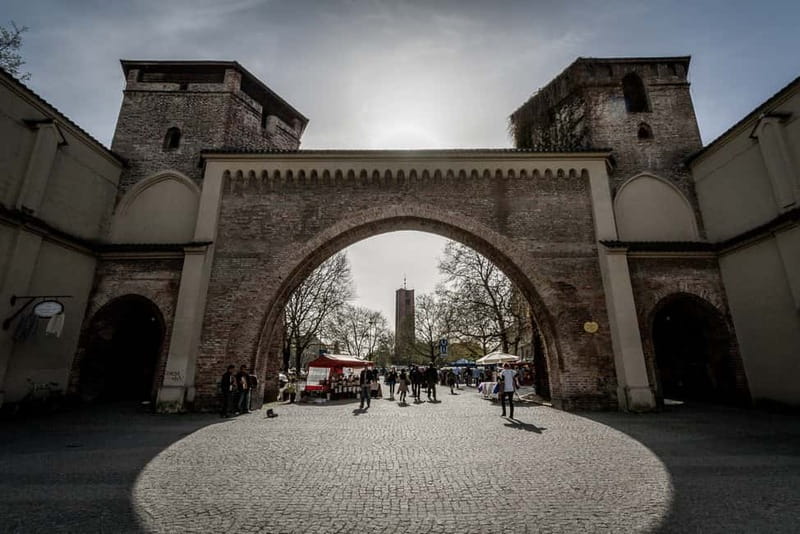
Munich’s old town looks polished by day, but this walking tour follows the darker tracks beneath it: places linked with witches, executioners, grave-diggers, and other outcasts. From Frauenkirche to Sendlinger Tor, you move through the southern center while hearing how death and fear shaped ordinary city life.
I like two things here. First, the route gives you a different way to read familiar Munich streets, especially around the Hackenviertel and Hofstatt. Second, the storytelling sounds personal and lively: guides Susanne and Patricia are singled out by name, with Patricia praised for keeping the group laughing even in bitter cold. The main consideration is that this is a German-language tour, and the mood may be more historical than theatrical.
Key points to know before booking
- A 105-minute route through Munich’s southern old town: Walk from Frauenkirche to Sendlinger Tor by way of the Angers quarter and Hackenviertel.
- A look at forbidden and feared work: Learn about hangmen, witches, grave-diggers, and other people kept at society’s edge.
- Real places carry the story: See where the grave-digger shouldered his spade, where ravens were said to circle, and where executioners used their hatchets.
- German-language guiding: Local guides such as Susanne and Patricia lead the tour with humor and vivid storytelling.
- Best for older visitors: Children under 14 are not accepted, and the subject matter centers on death, punishment, and social outcasts.
- Good winter planning matters: The walk takes place outdoors, and warm clothing is sensible, especially after dark.
A darker walk through Munich’s familiar center
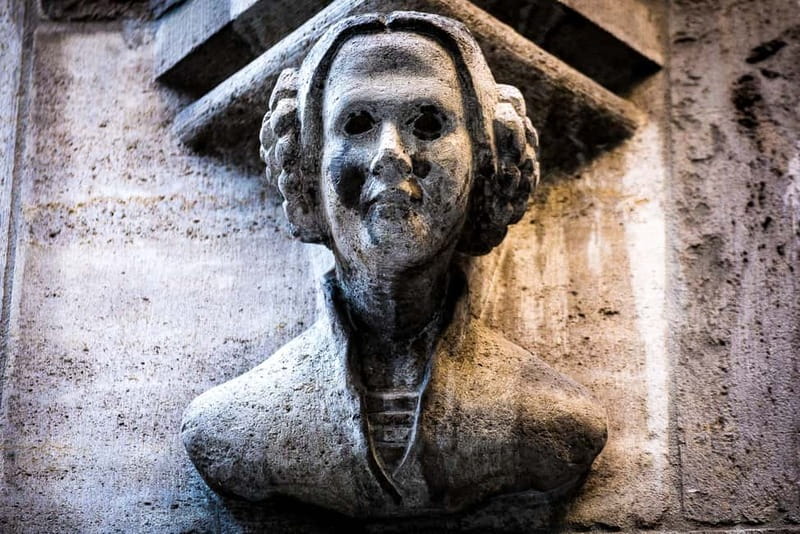
This is not a standard Munich city tour with a quick mention of kings, churches, and grand squares. It takes the city’s southern old town and asks you to see it through the eyes of people respectable citizens preferred to avoid.
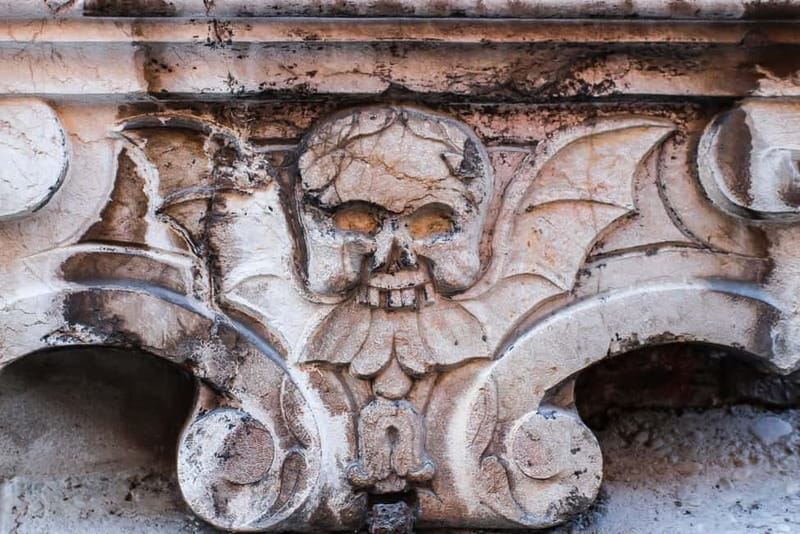
That means the focus falls on the uncomfortable jobs of the Middle Ages. Hangmen, grave-diggers, and similar workers handled tasks the city needed but did not honor. Witches and alleged witches belonged to a different category, feared and persecuted rather than hired, yet they fit the tour’s wider theme of people marked as dangerous or unclean.
I find that angle useful because it turns streets into social history. You are not only looking at old buildings. You are considering who was allowed inside the community, who worked after dark, and who carried the burden of death for everyone else.
The tour lasts about 105 minutes, long enough to build a sustained story without taking over your entire evening. It is also long enough for the cold to become a factor. A January review describes the walk in bitterly cold conditions, with the guide still keeping it enjoyable, while another suggests that a lantern or stronger mystery element could have added atmosphere after dark. Bring a warm coat, and see the mood as historical storytelling first, ghostly theater second.
More Witch Tours in Germany
- Witch Trials in Bamberg
★ 4.4 · 187 reviews - Oldenburg: “Executioners, witches & scoundrels” (crime thriller tour)
★ 4.6 · 50 reviews - Freiburg: Acting tour “Witches, Torture, Stake” with Historix-Tours
★ 4.7 · 42 reviews
Meeting the guide at Frauenkirche
The meeting point is in front of the main entrance to the Frauenkirche on Frauenplatz, between the two towers. That is a practical place to find, but give yourself time to get there. The church is one of Munich’s most recognizable landmarks, and the broad square can feel different in the evening than it does during a daytime sightseeing stop.
The route begins here and then heads toward the southern old town. The setting matters. Frauenkirche is associated with Munich’s grand public image, while the tour quickly shifts attention to less comfortable stories. That contrast helps set up the central idea: a famous city has always included people who lived and worked outside polite society.
You should expect a live German-speaking guide rather than an audio device or a self-guided walk. The strongest part of the experience depends on how well the guide tells a story, and the available feedback points to that as a real strength. Susanne is described as authentic and engaging, while Patricia is praised for humor and for telling stories well despite the cold. Another guide is described as friendly, capable, and able to explain facts in an interesting way.
Those details matter if you understand German well enough to follow a spoken tour. This is not simply a route with a few signs to read. The guide supplies the connections between place, rumor, punishment, and everyday life.
Crossing the Angers quarter and Hackenviertel
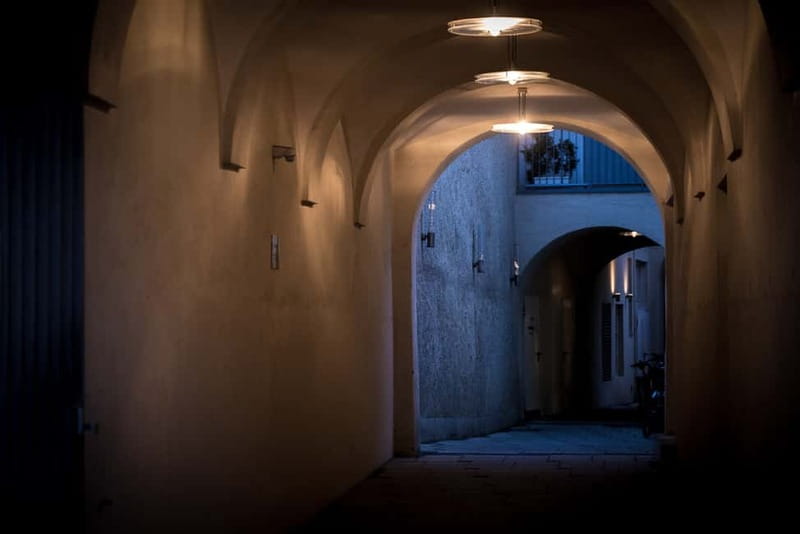
The walk continues through the lively Angers quarter and into the Hackenviertel, including the Hofstatt area. These names may not carry the same instant recognition as Marienplatz, but that is part of the appeal. You are moving away from Munich’s most obvious postcard stops and into streets where the tour can build a less polished picture of the city.
The route criss-crosses the Hackenviertel rather than following a single straight line. That gives the guide room to connect several locations and stories, although it also means you should pay attention to where the group is going. This is a guided walk, not a set of isolated stops.
The value here is not just the scenery. The tour uses the quarters as a stage for the people who once made these streets feel unsafe after respectable citizens had gone indoors. The tone centers on the rogue rabble, suspicious figures, and workers whose contact with death or punishment kept them apart from ordinary social life.
I would book this for the story rather than for grand architectural views. You will pass through central Munich, but the point is to notice the associations attached to places. A visitor who wants a polished introduction to Munich’s major sights should choose another tour first. Someone who already knows the center, or who enjoys social history with a darker edge, gets more from this route.
Where the grave-digger carried his spade
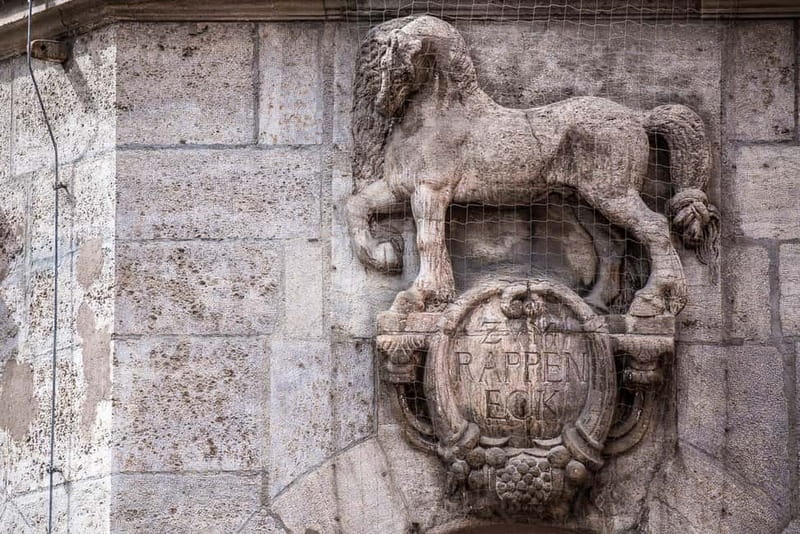
One of the tour’s memorable images is the grave-digger shouldering his spade. The detail is simple, but it shows how the walk works. Instead of treating death as an abstract subject, the guide connects it with the tools, movements, and public presence of people who dealt with the dead.
The grave-digger’s work was necessary, yet it did not bring social respect. That tension runs through the experience. Medieval cities needed certain jobs done, but the people who did them could remain on the fringe. A spade becomes more than a piece of equipment. It signals a trade that respectable citizens depended on but did not want to discuss.
You will also hear about places where ravens were said to circle. The image adds a darker layer, but the tour’s value lies in how such images relate to fear and public memory. Munich’s streets are not presented as a fantasy setting detached from real life. They are places where stories about death, punishment, and suspected wrongdoing took root.
Because the tour is in German, you need enough listening ability to catch details as you walk. The guide is not stopping to translate every point into another language. If your German is limited, you may still recognize the locations and mood, but you will miss much of the explanation that makes the route worthwhile.
Same old streets, another story to hear:
- Munich Ghosts and Spirits Evening Walking Tour
★ 5.0 · 1,900 reviews - Gruseltour Leipzig: A Haunted Guided Tour
★ 4.5 · 1,385 reviews - Munich: Spooky Tour of Old Town in German
★ 4.6 · 1,112 reviews - Stuttgart: Guided Ghost Walking Tour
★ 4.5 · 867 reviews
Hangmen, hatchets, witches, and social fear
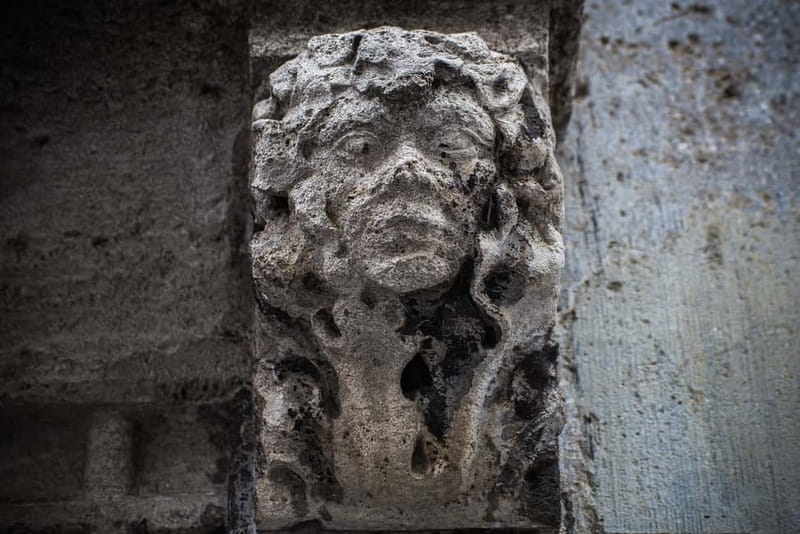
The central characters include executioners and witches, along with people described as whores and other figures pushed outside respectable society. These subjects give the tour its edge, but they are also a reminder that old cities were organized by strict ideas about honor, purity, guilt, and punishment.
The section on executioners focuses on where they used their hatchets. You should not expect a graphic reenactment. The effect comes from standing in an ordinary urban setting while learning that the place once carried associations with public violence and official punishment.
The witch stories add a different kind of fear. The tour presents lost souls and cursed places, so the mood may shift between documented social history and the darker stories people told about places and people. That mix suits an evening walk, though the experience does not promise actors, costumes, or staged scares.
This distinction is important when deciding if the tour fits you. If you want a full ghost show with props and dramatic effects, the experience may feel restrained. One useful criticism points out that a lantern or more mystery after dark could have strengthened the atmosphere. If you prefer a guide who explains the human side of old punishments, the current approach may be better.
I like the balance between unusual characters and recognizable streets. The tour does not ask you to leave Munich’s center for an isolated setting. It makes the normal city feel less normal by adding the stories usually left out of a standard sightseeing route.
Cursed places and the walk toward Sendlinger Tor
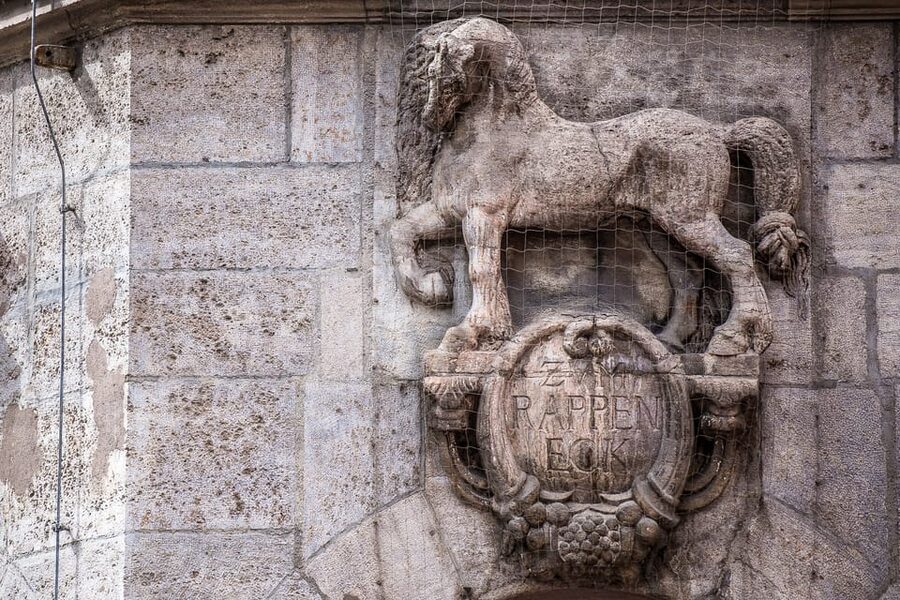
As the route heads toward Sendlinger Tor, the guide brings together the stories of cursed places and frightening events. The walk from Frauenkirche to the gate gives the tour a clear beginning and end, while the crossings through the Hackenviertel keep the route tied to the old center.
Sendlinger Tor is a useful finishing point because it gives you an easy landmark for the rest of your evening. The supplied details do not specify a return transfer or a final activity, so plan to continue on your own after the tour. The route is a walking experience from start to finish.
The final part should appeal to you if you like a tour that leaves you with a new way to look back at the city. After hearing about hangmen, ravens, and dangerous streets, the route back through central Munich can feel different. The tour changes the questions you ask of a building or square: Who worked here? Who was feared here? Which people could pass through openly, and which people were pushed into the shadows?
The route is wheelchair accessible, which makes this kind of old-town storytelling available to more visitors. Even so, you should be comfortable with a 105-minute walking tour and check the conditions when you book, since the experience takes place outdoors.
Is $26 a fair price?
At $26 per person, this is a reasonable price for a 1.75-hour guided walk if you value a specialist theme and live narration. You are paying for a focused route and a local guide, not for entry to a museum or a large collection of attractions.
The value rises if you have already seen Munich’s main sights. A conventional orientation tour can explain the city’s headline landmarks, while this experience fills in a less familiar side of the center. It can also work well as an evening choice because the subject matter gains atmosphere after dark, even if the presentation is not heavily theatrical.
The value drops if you do not speak German. The tour is conducted in German, and the storytelling carries much of the experience. It also may not suit families with younger children, since people under 14 are not accepted and the themes involve death, punishment, witches, and outcasts.
A small gift is included, which is a pleasant extra but not the reason to book. I would make the decision based on the route and guide rather than the gift.
Who will enjoy this Munich walking tour?
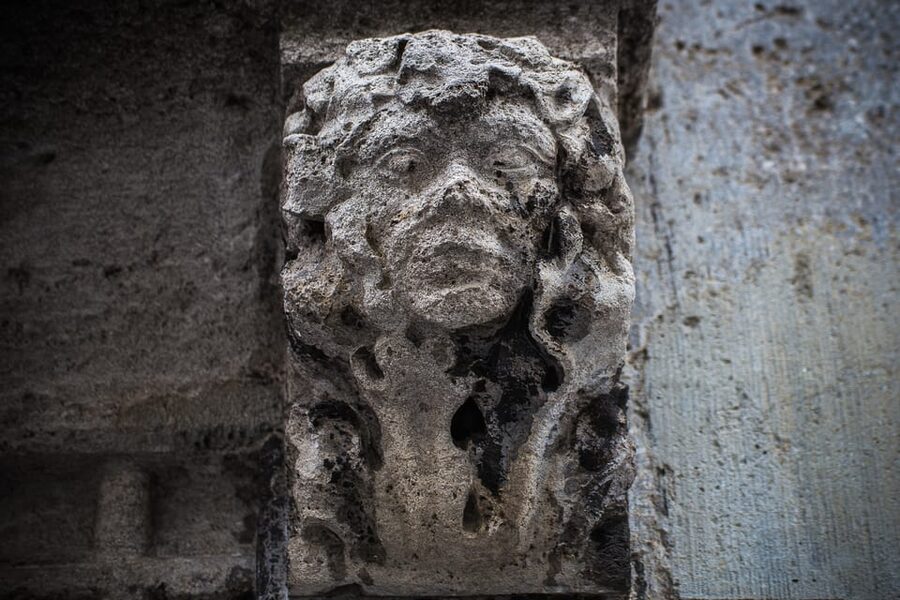
I would choose this tour if you fit several of these descriptions:
- You want Munich stories beyond palaces, beer halls, and major churches.
- You speak German well enough to follow a live guide for 105 minutes.
- You enjoy social history, local legends, and unsettling subjects.
- You are at least 14 and do not mind stories about execution, death, and feared outsiders.
- You prefer walking through real city streets to watching a staged performance.
- You can dress for the weather, especially in winter.
I would choose something else if you need a multilingual tour, want a fast overview of Munich, or expect strong theatrical effects. The guide may add humor and vivid delivery, but the experience is still a historical walking tour rather than a haunted-house attraction.
The rating of 4.7 from 353 reviews supports the idea that the format works well for its intended audience. The most praised qualities are clear explanation, interesting facts, humor, and strong storytelling. The main weakness is atmospheric: on a cold, dark evening, more visual drama could make the tour feel more mysterious.
Practical details that shape the evening
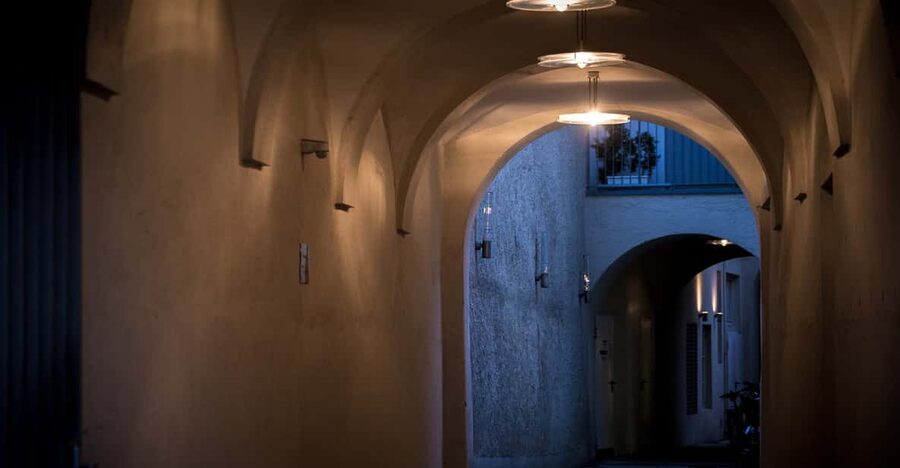
Book with the meeting point in mind: the main entrance to Frauenkirche, on Frauenplatz, between the two towers. The duration is 105 minutes, and starting times vary, so check availability for your date.
Free cancellation is available up to 24 hours before the tour for a full refund. You can also reserve and pay later, which helps if your Munich schedule is still changing.
The tour is wheelchair accessible. It is not suitable for children under 14. The only listed tour language is German, and the guide is live rather than recorded.
For winter visits, wear warm shoes and a proper coat. One guide kept the group entertained in freezing conditions, but the cold is still part of the practical calculation. After dark, a small flashlight may also be useful for your own comfort, even though no special lantern experience is promised.
Should you book the Witches and Executioners tour?
Book it if you want a focused, local look at Munich’s darker past and can follow German storytelling. The route from Frauenkirche through the Angers quarter and Hackenviertel to Sendlinger Tor gives you real streets, specific places, and unusual characters rather than a list of famous sights.
Skip it if you need English, are traveling with children under 14, or want a fully staged ghost walk. For everyone else, $26 is a fair rate for 105 minutes of distinctive city history, especially when a good guide such as Susanne or Patricia is leading the evening. Dress warmly, arrive at Frauenkirche prepared to walk, and expect more sharp historical storytelling than theatrical fright.
FAQ
Where does the tour meet?
The meeting point is in front of the main entrance to the Frauenkirche on Frauenplatz, between the two towers.
How long does the tour last?
The tour lasts about 105 minutes, or 1.75 hours.
What language is the tour in?
The live tour is conducted in German.
Is the tour wheelchair accessible?
Yes, the activity is listed as wheelchair accessible.
Can children join the tour?
No. The tour is not suitable for children under 14.
Can I cancel for a full refund?
Yes. You can cancel up to 24 hours in advance for a full refund.
Freshly reviewed haunts around Germany
- Executioners, whores, witches with drama★ 5.0 · 7 reviews
- The Original Haunted Walk of Munich in English★ 4.5 · 13 reviews
- Cologne Haunted Quest: The Witch Self-Guided Tour★ 3.0 · 38 reviews
- Gruseltour Berlin Haunted Ghost Walk 90-minute at Berlin Mitte city center★ 5.0 · 75 reviews
- Osnabrück: Witch Mania & Superstition (Adventure Tour)★ 5.0 · 2 reviews
- Mannheim, guided costume tour: Hangmen, Witches, Huguenots★ 5.0 · 4 reviews
- Leipzig Old Cemetery: 75-Minute Dark History Tour★ 4.6 · 181 reviews
- Goslar: Witches – From delusion to myth★ 4.7 · 16 reviews
Munich Ghost Tours, compared.
Munich Ghosts and Spirits Evening Walking Tour
Read our review →
Ghosts of Munich: The Haunted Apprentice Exploration Game
Read our review →
Browse the lists this tour appears in