
Review · LONDON
London’s Ghosts & Gruesome Past Nighttime Walking Tour
London’s darkest stories are not tucked away in a haunted castle. They sit beside Underground stations, markets, churches, hospitals, and busy streets. This two-hour walk takes you from Farringdon through Smithfield and the old medical quarter, linking plague pits, grave robbery, public executions, and ghosts into one grim city story.
I like the route’s unusual stops and its strong storytelling focus. I also like that guides such as Matt bring energy and passion to the tales, rather than simply pointing at old buildings. The main drawback is clear: this tour leans heavily toward gruesome history, so anyone hoping for constant ghost stories may find it more macabre than supernatural.
Key points at a glance
- Plague, medicine, and grave robbery: Learn how disease shaped London and why hospitals needed bodies for medical study.
- A ghost beneath the city: Hear the story of the girl said to haunt Farringdon Underground Station.
- Smithfield’s grim past: Visit a market area used for public executions for centuries.
- History beyond Jack the Ripper: Meet the figure described as England’s most prolific serial killer.
- A powerful collection of old sites: See a 900-year-old church, Victorian hospitals, old churchyards, and the Old Bailey.
- A good value evening walk: At $49 per person for two hours, you are paying mainly for a focused guide and a carefully linked story.
Why this London night walk feels different
Many London walking tours stay with kings, grand buildings, and famous writers. This one follows the city’s underside. You hear why Londoners once drank blood, ate bones, or smeared strange substances on themselves in hope of curing illness. You also hear how doctors worked when medicine had few reliable tools and even fewer safe answers.
That mix gives the walk its character. The stories are not just spooky decorations placed around old streets. They explain how plague, punishment, surgery, religion, and public fear shaped everyday life. The supernatural material is there, but it shares the stage with documented medical and criminal history.
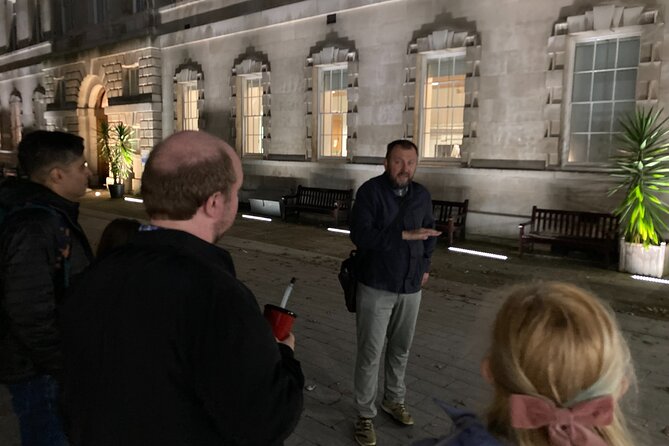
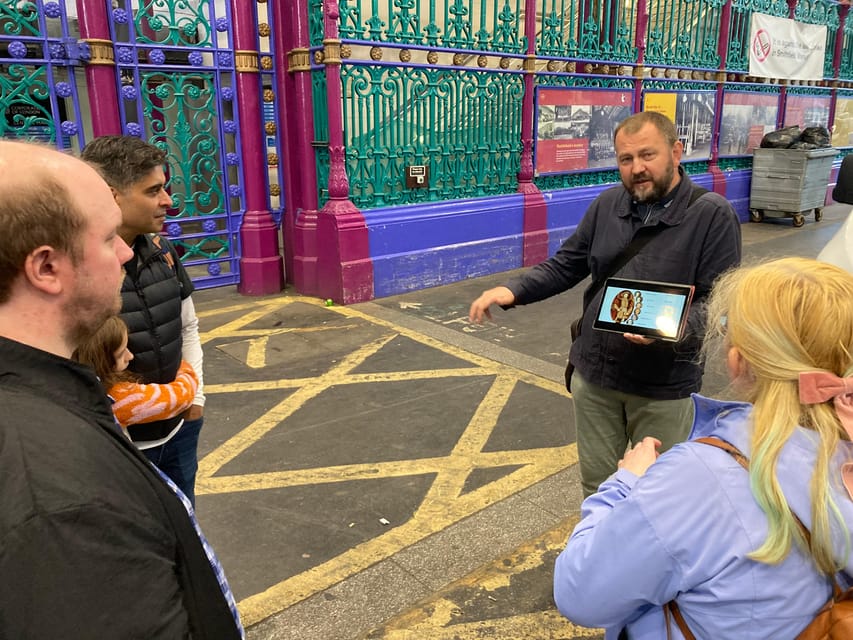
The walk is led in English by a professional certified guide and storyteller. The guide is also described as a scholar, which matters here. The subject needs more than dramatic voices. You need someone who can connect a churchyard to a hospital, then connect that hospital to body snatching and medical training.
Matt received particularly warm praise for his storytelling, enthusiasm, and command of the subject. You cannot assume Matt will lead every departure, but the guide style to expect is lively and personal rather than dry and academic.
More Ghost Walking Tours in London
- London: The Original Jack the Ripper Walking Tour
★ 4.7 · 7,833 reviews - London Jack The Ripper Guided Walking Tour
★ 5.0 · 3,131 reviews - London: Jack the Ripper Evening Walking Tour
★ 4.9 · 1,449 reviews
Starting at Farringdon with a ghost below your feet
Meet outside Farringdon Underground Station, at the main entrance or exit between the old and new station buildings. This is an important detail because Farringdon has more than one station structure, and the meeting point can feel confusing in the evening.
The first story concerns a girl said to haunt the Underground station. The guide uses the setting well: you are beginning beside a transport hub built into a city layered with older streets, burial grounds, hospitals, and forgotten routes. The instruction to mind the gap takes on a darker tone here.
This opening is likely to appeal most to people who enjoy ghost lore tied to ordinary places. You are not being taken to a purpose-built haunted attraction. You are hearing how an everyday station gained a frightening reputation.
Smithfield Market and centuries of public killing
From Farringdon, the route goes to Smithfield Market. Today, the name is closely tied to meat and commerce, but the area also carries a long record of public punishment. For centuries, Smithfield was used for executions involving heroes, religious martyrs, condemned criminals, and innocent people caught in violent times.
The guide discusses the different ways people were tortured and killed. That detail tells you what kind of evening this is. The material can be harsh, and the tour does not soften the past into a tidy ghost story.
I like this stop because it gives context to the crowds who once gathered for public punishment. Executions were not hidden events. They were part of civic life, religion, politics, and entertainment. Standing in the same area today makes the contrast especially sharp.
You should also expect this portion to feel more like a history lesson than a supernatural encounter. If you want a tour built around hauntings at every stop, Smithfield may feel less satisfying. If you want to understand how fear and punishment worked in old London, it is one of the strongest parts.
Charterhouse Square and the city’s plague years

Charterhouse Square offers a change of mood. It is a peaceful park in the middle of the city, yet the stories connected to it are anything but peaceful. Here, the guide explains how plagues changed London, how deadly they were, how doctors tried to stop them, and what happened to the people who survived.
This section gives the tour a human scale. Rather than treating plague as a distant disaster, it shows how disease affected streets, families, doctors, and burial practices. You hear about the limits of medical knowledge and the desperate methods people used when proper treatment did not exist.
The stop also helps explain why London has so many stories about disturbed graves, mass burial grounds, and restless spirits. The city’s ghost tales did not grow from thin air. They often grew from real deaths, crowded burial sites, and fear passed from one generation to the next.
More Ghost Walking Tours in the UK
- London: Ghost Walk and River Thames Boat Ride
★ 4.5 · 1,251 reviews - London Jack The Ripper Small-Group Walking Tour
★ 5.0 · 1,013 reviews - Ghastly Ghost Walking Tour in London
★ 5.0 · 878 reviews - London: Ghastly Ghosts 2-Hour Walking Tour
★ 4.9 · 794 reviews
St. Bartholomew the Great and a haunted churchyard
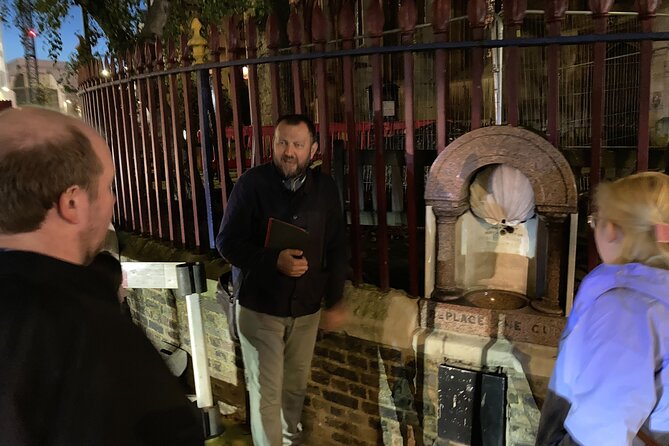
St. Bartholomew the Great is one of the route’s most atmospheric locations. The church has served London for around 900 years, and the surrounding churchyard contains centuries-old tombstones. Here, the guide tells burial stories, including one connected with the church’s founder.
This is the kind of place where the physical setting does much of the work. You are not simply hearing about old London while looking at a modern street. You are surrounded by stone, graves, and a church with a long connection to the people who lived and died nearby.
The churchyard is described as one of London’s most haunted. Still, do not expect a guaranteed sighting or a theatrical scare. The appeal comes from the setting, the age of the place, and the way the guide connects religious history with burial customs.
For many people, this will be one of the best photo stops. The visit is brief and story-led, so you will not have time for an extended church tour. That is worth knowing if you want detailed architectural commentary.
The William Wallace Memorial and a Scottish hero
The route then reaches the Sir William Wallace Memorial. This stop reaches back to the wars between England and Scotland and recalls the Scottish freedom fighter who remains important to Scottish memory.
The memorial adds a different strand to the evening. Until this point, the stories focus mainly on plague, death, medicine, and punishment. Wallace brings in national conflict, resistance, and the way historical figures become symbols far beyond their own time.
The stop is short, but it helps prevent the walk from becoming a single stream of medical horror. You get a reminder that London’s grim past also includes political struggle and contested memory.
St. Bartholomew’s Hospital and the strange side of old medicine
St. Bartholomew’s Hospital is one of the most revealing stops. The guide explains how doctors once treated illness and the methods, tools, and materials they used. Some remedies involved drinking blood, eating bones, or smearing substances on the body.
These details sound shocking now, but the value of the stop is not simply shock. It shows how people tried to reason through illness with limited evidence. Patients wanted cures, doctors wanted answers, and the results could be dangerous.
This is also where the tour’s links begin to tighten. You have heard about plague, burial grounds, and hospitals. Now the guide can explain why medical institutions needed access to human bodies and why grave robbers found a willing market.
The hospital section may be the most educational part of the walk. It gives you a clearer sense of how medicine developed through trial, error, anatomy, and practices that modern visitors may find disturbing.
Holy Sepulchre Church and the business of grave robbery
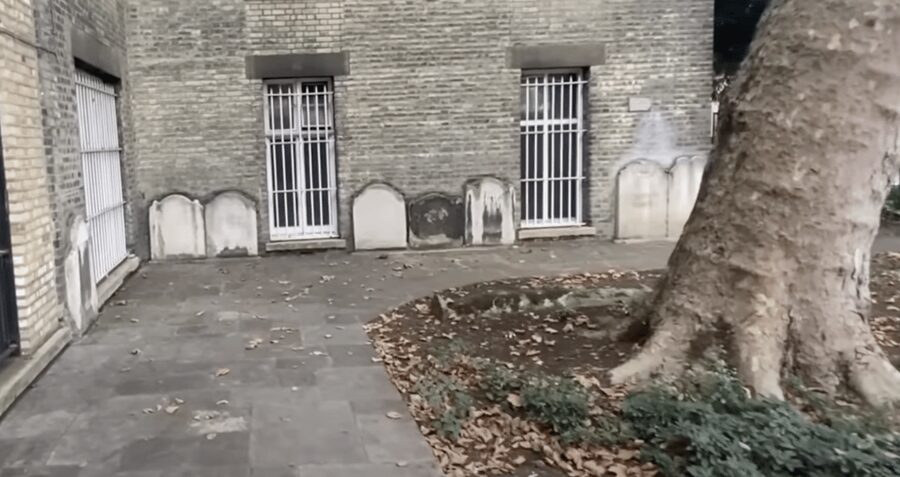
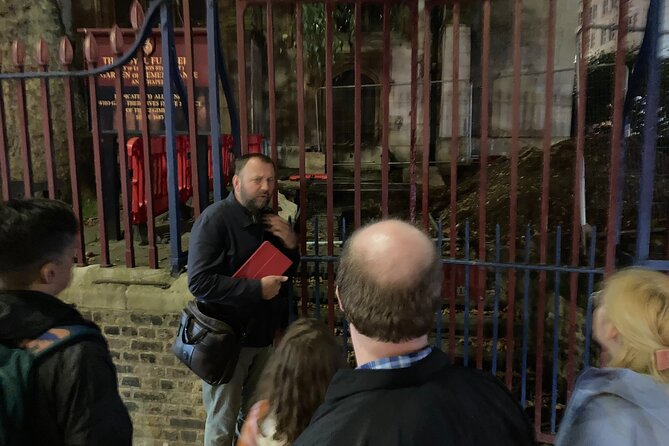
At Holy Sepulchre Church, the empty burial pits point to an ugly trade from more than two centuries ago. People made a living removing bodies from graves and selling them. The obvious question is who bought them.
The answer connects directly to the hospitals and medical training of the period. Doctors and students needed bodies for anatomical study, while families expected the dead to remain undisturbed. That gap created a market for body snatchers.
This is a strong example of the tour’s best quality: it connects sites instead of treating them as unrelated spooky locations. The hospital explains the demand. The pub and streets along the route help place the trade in everyday London. The churchyard shows the cost.
The material is unpleasant, but it is useful history. You come away understanding why grave robbery became such a serious fear and why old burial grounds appear so often in London’s darker stories.
The Old Bailey and the final criminal story
The walk keeps its most notorious tale for the Old Bailey. This famous courthouse is where the guide introduces the person described as England’s worst and most prolific serial killer.
The point is not simply to mention Jack the Ripper. The guide specifically asks you to reconsider who deserves that label. That twist gives the ending a strong hook, especially for people who already know the usual London crime stories.
The Old Bailey also brings the evening back to the justice system. You began with public executions at Smithfield and finish at a courthouse tied to criminal trials. In between, you have heard about hospitals, burial grounds, disease, and the social fears that shaped the city.
The final stop should satisfy anyone interested in crime history, but it may be too grim for some. The tour does not treat murder as light entertainment. It presents the subject as part of London’s long record of punishment, fear, and public fascination.
Is $49 a fair price for two hours?
At $49 per person, this is not the cheapest way to spend an evening in London. You are paying for a two-hour guided walk, a professional certified guide, and a route that links several unusual sites.
The value depends on how you like to sightsee. If you already know London’s major landmarks and want a themed walk with a clear subject, the price is reasonable. You see a number of historic locations and get the explanations that make them meaningful.
The cost is less appealing if you only want to stroll through old streets or take photographs. Most stops are viewed from public areas, and this is not a ticketed attraction tour with long interior visits. The main product is the guide’s storytelling.
A strong guide makes a large difference. The comments about Matt emphasize his information, passion, and storytelling ability. That is exactly what you want here because the tour’s appeal depends less on access to buildings and more on how well the stories are told.
Timing, walking, and who should book
The tour lasts two hours and takes place at night. Wear comfortable shoes and dress for London weather, since the experience is outdoors and moves through streets, squares, churchyards, and market areas.
The tour is listed as wheelchair accessible. Because the route includes several old streets, churchyards, and historic areas, you should still confirm current route conditions when booking if you have specific mobility needs.
This walk suits you best if you:
- Like crime, plague, medical, and burial history
- Enjoy ghost stories tied to real city locations
- Prefer a small subject-focused walk to a general London overview
- Want an evening activity near Farringdon and central London
- Appreciate a guide who tells stories with energy and feeling
You may want a different tour if you dislike graphic descriptions, want a gentle family outing, or expect supernatural events at every stop. One piece of feedback specifically wished for more ghosts and less gruesome material. That is a fair warning: the title may suggest spirits, but the content is often about death, illness, punishment, and the disturbing side of medical history.
The published route lists a finish at St. Paul’s Cathedral, while the meeting information says the activity ends back at the meeting point. Confirm the final drop-off point when you reserve, especially if you are arranging dinner or an evening train afterward.
Should you book London’s Ghosts & Gruesome Past?
Book it if you want London explained through its uncomfortable stories. The route is unusually focused, the stops are well chosen, and the best moments connect hospitals, churchyards, plague pits, execution sites, and crime into one clear picture of the old city.
Skip it if you want a light ghost walk with frequent scares. This is more gruesome history than haunted-house entertainment. At $49, the tour earns its price when the guide is as engaging and informed as Matt was described to be.
For curious adults, history fans, and anyone tired of the standard London circuit, this is a memorable way to spend two hours after dark.
FAQ
How long is the London’s Ghosts & Gruesome Past tour?
The walking tour lasts two hours. Starting times vary, so check availability when booking.
Where does the tour begin?
Meet your guide outside Farringdon Underground Station, at the main station entrance or exit between the new and old stations. The listed starting address is 42 Cowcross Street.
Where does the tour finish?
The route lists St. Paul’s Cathedral as the finish. The meeting information also says the activity ends back at the meeting point, so confirm the final location when booking.
What language is the tour conducted in?
The live tour is conducted in English.
Is the tour wheelchair accessible?
Yes, the activity is listed as wheelchair accessible. Contact the provider if you need to confirm specific route details.
What places will I see?
The route includes Smithfield Market, Charterhouse Square, St. Bartholomew the Great, the Sir William Wallace Memorial, Holy Sepulchre Church, the Old Bailey, and St. Paul’s Cathedral as the listed finish.
Does the tour focus more on ghosts or gruesome history?
It includes ghost stories, including the girl said to haunt Farringdon Underground Station, but much of the content concerns plague, public executions, grave robbery, old medicine, hospitals, and serial crime.
Can I cancel the booking?
You can cancel up to 24 hours in advance for a full refund. The reserve-now, pay-later option lets you hold a place without paying immediately.
Freshly reviewed haunts around London
- Ghosts, Gore & Other Ghasty Stories in the City of London★ 5.0 · 7 reviews
- Visit Jack the Ripper in French★ 5.0 · 33 reviews
- The Haunted Pubs of Old London: Small Group Tour★ 5.0 · 38 reviews
- Afternoon Jack the Ripper : Guided Tour★ 5.0 · 183 reviews
- Wicked Whitechapel: Where Now’s Jack The Ripper Audio Tour★ 5.0 · 2 reviews
- The Fading Light London Ghost Walk★ 5.0 · 35 reviews
- The Ghosts of the secret alleyways of old London town★ 5.0 · 2 reviews
- Jack the Ripper – What About the Women?★ 5.0 · 39 reviews
London Ghost Tours, compared.
London: The Original Jack the Ripper Walking Tour
Read our review →
London Jack the Ripper Guided Tour with Ripper-Vision
Read our review →
Ghost, Ghouls and Gallows Tour : Guided Tour with Boat Ride
Read our review →
London: Jack the Ripper Tour with Immersive Ripper Vision
Read our review →
German Language : Original Jack the Ripper Tour
Read our review →Browse the lists this tour appears in