
Review · LONDON
London: Jack the Ripper Tour with Immersive Ripper Vision
The clever part of this Jack the Ripper tour is that the evidence appears on the very walls and streets where the story unfolded. Handheld projectors cast maps, newspaper drawings, old photographs, and crime scene images onto Whitechapel after dark, giving you a clearer sense of place than a guide with a folder of pictures ever could. I especially like the focus on the victims and the way guides such as Rob, Harry, Alan, and Mick turn a grim subject into a thoughtful history lesson. The main drawback is the group size on some departures, which can make it harder to hear or see the projected images on narrow streets.
I also like the route through real Whitechapel locations, rather than a talk delivered in one room. Guides explain what is known, what is guessed, and why the identity of Jack the Ripper remains unsettled. Just remember that this is a serious walking tour with graphic material, uneven ground, and weather exposure. It is not a casual stroll for anyone with limited mobility.
Key points at a glance
- Ripper-Vision projections: Historic maps, photographs, press sketches, and crime scene images appear on the actual buildings and streets.
- A fact-first approach: The tour covers the victims, police investigation, suspects, and competing theories without relying only on spooky theatrics.
- Whitechapel after dark: The evening setting gives the route a suitably bleak mood, though projections work best when it is properly dark.
- Strong guide-led storytelling: Rob, Harry, Alan, Andre, Mick Priestly, and other guides have been praised for clear explanations, humor, and command of the subject.
- A proper walking commitment: Allow 105 minutes on foot, with standing, cobblestones, and uneven surfaces.
- Good value at $24: The price is modest for a guided London experience that combines a walking route with visual material unavailable on an ordinary stroll.
Why Ripper-Vision changes the Whitechapel walk
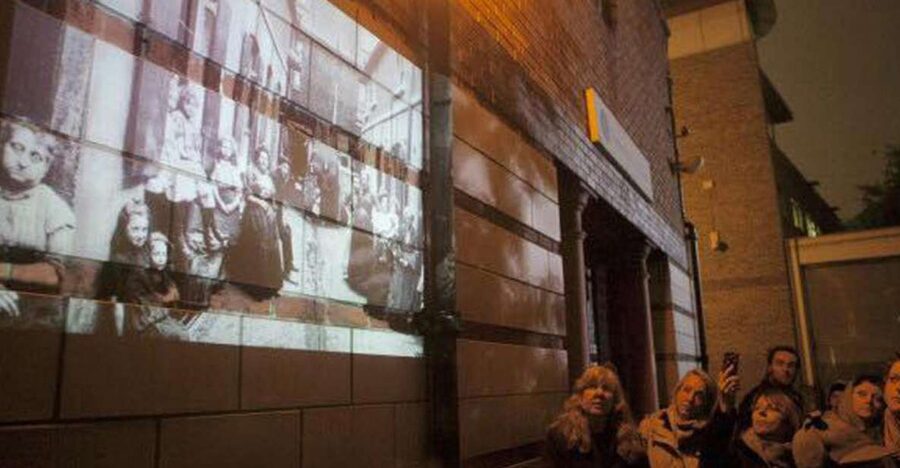
Many Jack the Ripper tours depend almost entirely on a guide’s voice. That can work, but the subject involves places that have changed greatly since 1888. Modern shops, traffic, lighting, and rebuilt facades can make it difficult to picture Victorian Whitechapel.
This tour solves part of that problem with a small handheld projector. The guide places historic images directly onto walls and streets, so you can compare the modern setting with the old one while standing in the same area. A map helps explain how the sites relate to one another. A press illustration shows how the murders were presented to the public. An old photograph can put faces to the victims and show the street conditions of the time.
I find this visual approach most useful when the guide is explaining a location that no longer looks as it did. The projection does not restore the old buildings, but it gives the story a physical anchor. You are not simply hearing that a murder happened somewhere in Whitechapel. You are looking at the place, the historical image, and the surrounding streets at the same time.
The projections are weather and light dependent. A few people found that an early start left too much daylight for the images to show clearly. If you have a choice of times, a later departure during the darker months should give the best effect. In summer, even an evening tour may begin before the sky is fully dark.
More Jack the Ripper Tours in London:
- London: The Original Jack the Ripper Walking Tour
★ 4.7 · 7,833 reviews - London Jack the Ripper Guided Tour with Ripper-Vision
★ 4.5 · 4,840 reviews - London: Jack the Ripper Small Group Tour
★ 4.7 · 3,159 reviews
Meeting at Aldgate East, not Aldgate
The tour begins outside Aldgate East Tube Station, Exit 3, beside the Whitechapel Art Gallery and next to the KFC. This detail matters. Aldgate and Aldgate East are different stations, and going to the wrong one could leave you rushing across busy streets before the introduction begins.
Arrive a few minutes early. The opening explanation sets up the case, the route, and the tone of the evening. Missing it would make the first part less useful, especially if you do not already know the difference between established evidence and later Ripper folklore.
The meeting point puts you near the edge of the Whitechapel area covered by the walk. From there, the guide leads the group through streets connected with the murders and the police investigation. You should expect a live English-language tour, not an audio guide or self-guided route.
The first stops: Victorian Whitechapel and the victims
The early part of the walk provides social context. This is important because the murders did not occur in a vacuum. Guides discuss living conditions, poverty, work, drinking establishments, and the economic pressures affecting people in late 19th-century Whitechapel.
That background keeps the tour from becoming a simple hunt for a mysterious killer. The victims become people with lives and circumstances, not just names in a crime list. Several guides make a point of treating them with respect, and that is one of the strongest features of the experience.
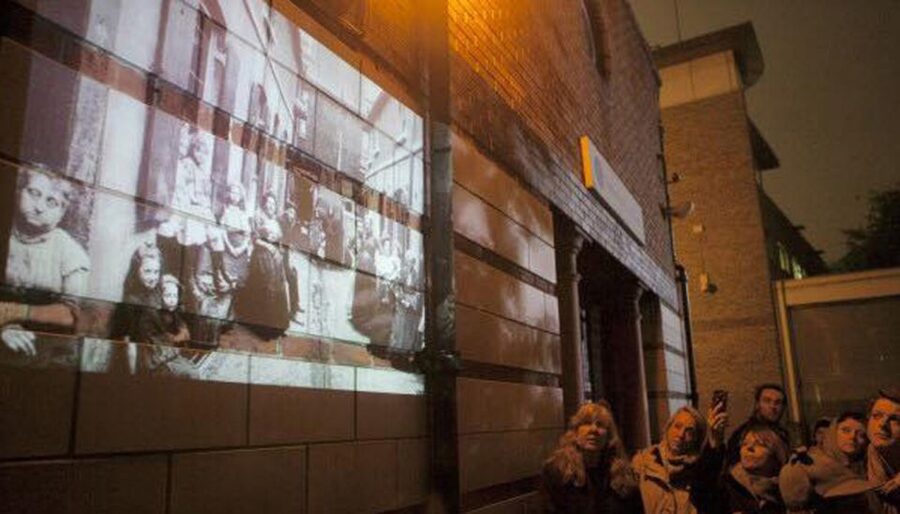
The projected photographs help here. Seeing a face can change the way you receive the story. A victim is no longer an abstract figure attached to a date and location. You get a brief glimpse of the person behind the newspaper headlines.
The route also shows you parts of East London that many first-time visitors would otherwise pass without noticing. The area has changed, and the tour does not pretend that every building is original. Instead, it uses surviving streets, modern surroundings, and projected material to build a picture of the past.
Crime scenes shown on the streets
As the tour continues, the guide explains the known murder sites and the evidence connected with them. The projector may show crime scene images, old maps, and press drawings on nearby walls. This is the point where the tour becomes more graphic.
The guide usually gives a warning before showing disturbing images. That allows you to look away if you prefer. The material is not suitable for everyone, particularly young children. Children under 10 should not attend unless accompanied by parents who have given consent, and older children or teenagers should also be comfortable with a serious account of real violence.
The visual material is effective because it avoids the problem of discussing a location in isolation. You can see where a body was found, how the streets were arranged, and how close the sites were to one another. The old maps also help explain the route through Victorian Whitechapel, where darkness, crowded housing, and poor street conditions shaped the investigation.
Still, the projections are not a film show. They are brief visual aids used alongside the guide’s talk. If you expect a constant stream of images, you may find the presentation more limited than a full museum exhibition. Its strength is timing: the right image appears when you are standing in the right place.
Same old streets, another story to hear:
- Ghost, Ghouls and Gallows Tour : Guided Tour with Boat Ride
★ 4.5 · 3,212 reviews - London Jack The Ripper Guided Walking Tour
★ 5.0 · 3,131 reviews - London: Comedy Horror Ghost Tour on a Bus
★ 4.4 · 2,084 reviews - German Language : Original Jack the Ripper Tour
★ 4.6 · 1,805 reviews
The police investigation and the suspects
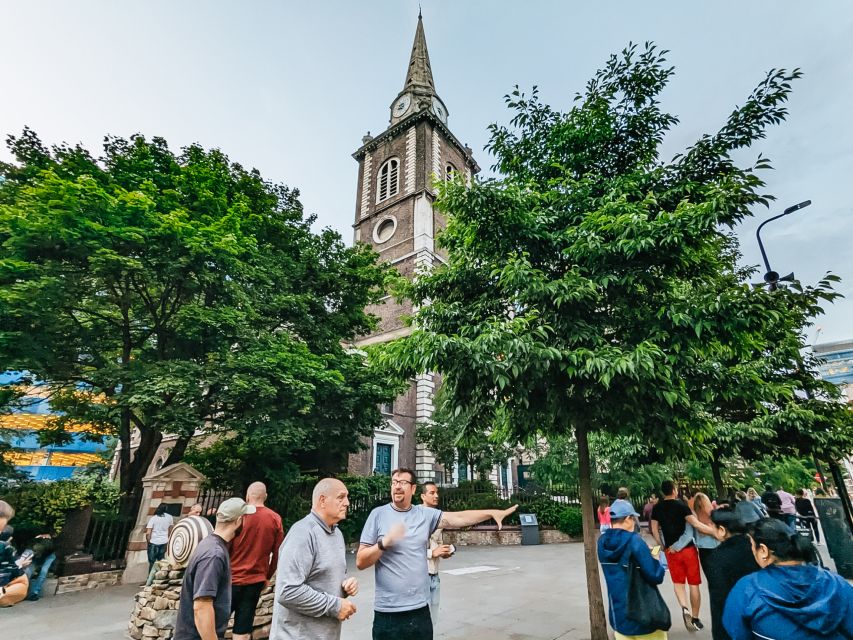
The middle and later sections turn toward the police response and the long list of suspects. This part works best when the guide separates evidence from speculation. Jack the Ripper has attracted countless theories, but the surviving facts are narrower than popular culture suggests.
Guides explain the clues, the limits of the investigation, and the reasons certain suspects became famous. They also discuss how newspapers and public fear shaped the case. You will hear about common theories, but the better guides make clear where a theory rests on documented evidence and where it depends on later interpretation.
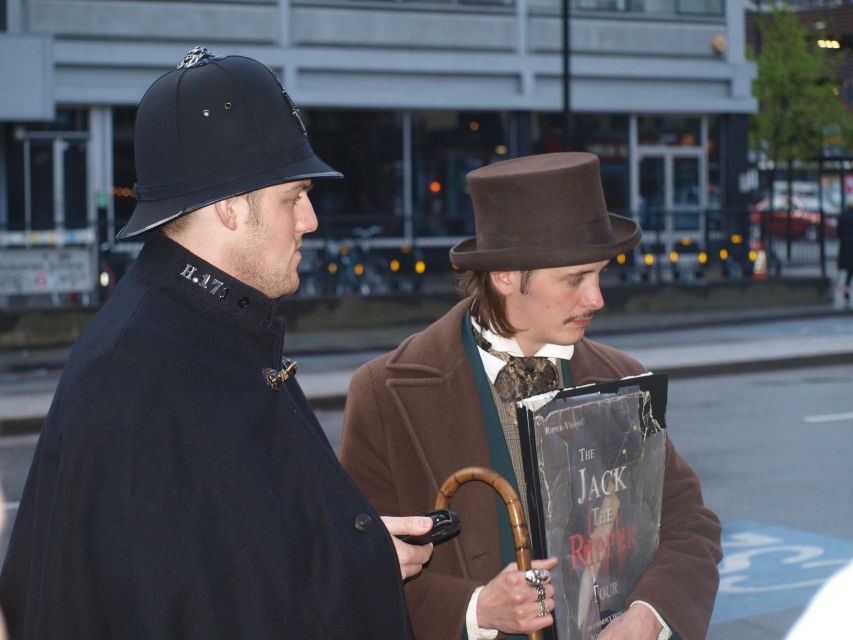
The guides are not identical in style. Rob has been praised for handling a large group with humor and control. Harry is known for clear, animated explanations, while Alan has a lively delivery and welcomes questions. Mick Priestly brings years of study and a strong personal command of the subject. Andre has also received praise for his passion and ability to explain the Victorian setting.
Your experience will depend partly on who leads the departure. That said, the repeated strength across the tour is the quality of the live storytelling. A good guide keeps the story moving, answers questions, and avoids turning the mystery into a string of unsupported claims.
Narrow streets, group size, and seeing the images
The tour lasts 105 minutes, with a moderate amount of walking and plenty of standing. You may cover uneven ground and cobblestones, so comfortable shoes are essential. This is not a route for someone who needs frequent seating or has difficulty walking for a sustained period.
Group size is worth considering. Some departures have been described as large, with more than 40 people after groups were combined. A skilled guide can still keep the tour together, but narrow streets create practical limits. People at the back may struggle to hear every word or see each projection.
If you are short, stand near the front when possible, but do not crowd the guide or block the images for others. Arriving early helps you begin near the projector rather than trying to move forward once the group is gathered. If you want a quiet, intimate walk, this may not be the right format.
Large groups have one advantage: the tour can feel lively, and questions from other people may add useful angles. The trade-off is less personal attention and a weaker view of the projected material. The guide remains the key part of the experience, but the projection is most effective when you can see the wall clearly.
Why the nighttime setting works
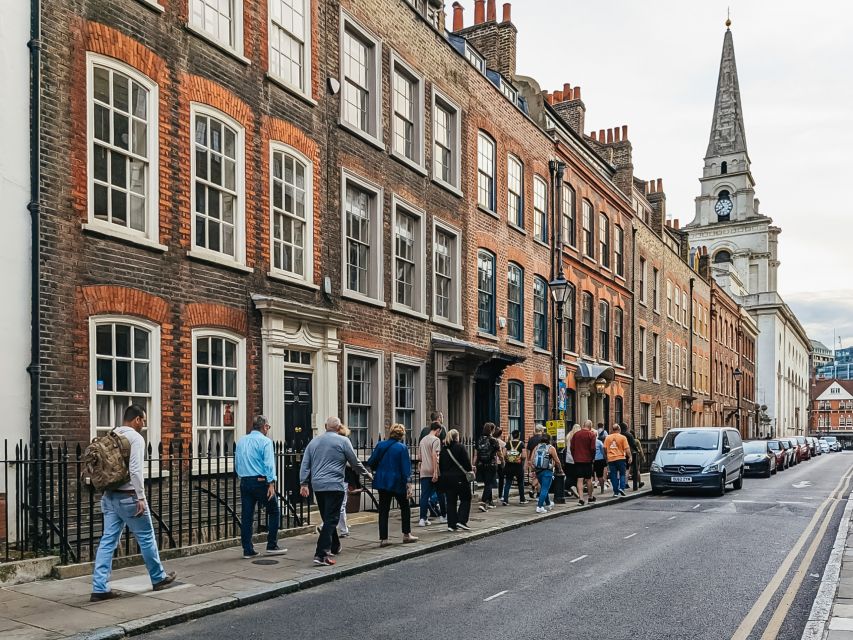
Darkness adds atmosphere without the need for cheap jump scares. Whitechapel after sunset feels removed from the bright tourist routes around central London, and the old photographs look more convincing when projected onto a dim wall.
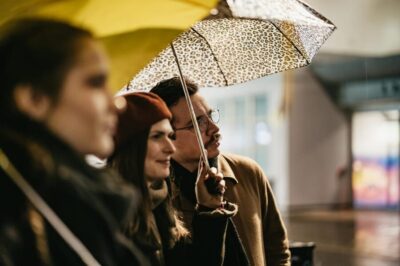
The weather also affects the mood. A cold, damp evening can make the subject feel especially stark, though you should not rely on bad weather for the full effect. The tour runs in all weather, so bring a raincoat or other weather-appropriate clothing. London rain can make cobbles slippery, and standing still while listening feels colder than walking steadily.
In summer, daylight can weaken the first projections. In winter, the images should appear more clearly, but you will need warm layers. Check the departure time when booking and dress for the whole 105 minutes, not just the temperature at the start.
Price, value, and what is included
At $24 per person, this is a fairly priced London evening activity. You receive a live guide, a walking route through Whitechapel, and a visual presentation that gives the tour more substance than an ordinary storytelling walk.
The value depends on your interests. If you already know the case well and want new archival research, the tour may feel introductory. If you want to understand the locations, hear competing theories, and see historical images in context, the price is easier to justify.
You do not pay extra for the projections, but food, drinks, and transport are not included. One version of the route has ended near a pub, and some people have continued there for a drink, but you should treat that as an optional finish rather than part of the promised tour.
Free cancellation is available up to 24 hours before the start, and you can reserve now and pay later. Those terms are useful if your London plans are still shifting, though the central question is still whether you enjoy a serious crime-history walk.
Who should book this Jack the Ripper tour?
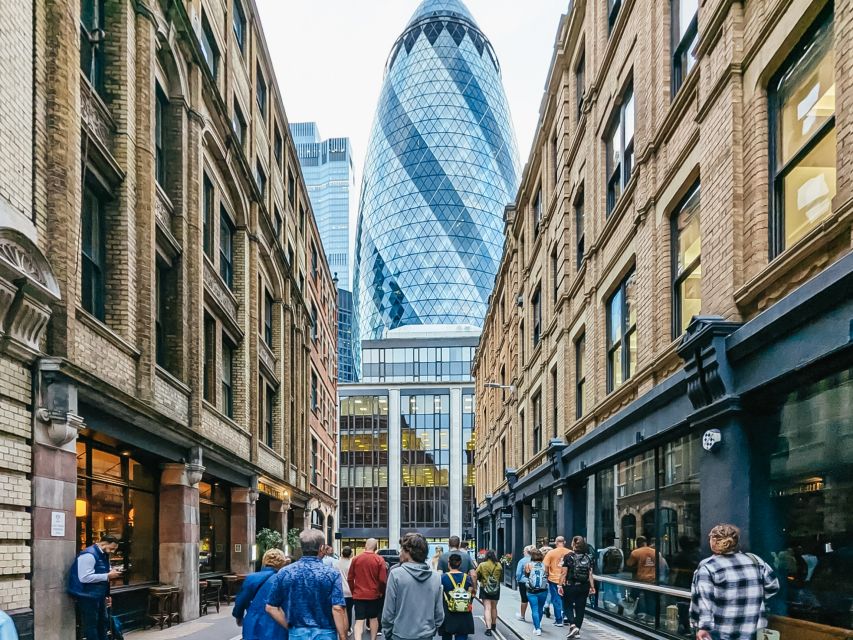
I would choose this tour if you like London history, police mysteries, old photographs, or guided walks that connect stories to real places. It also suits visitors who want an evening activity outside the usual Westminster and South Bank circuit.
It can work for teenagers, provided they are comfortable with graphic historical material. The visual presentation may help younger participants follow the story, but this is not a light family attraction.
You should think twice if you dislike gruesome subjects, struggle with prolonged walking, or need step-free access. The tour is not suitable for wheelchair users or people with mobility impairments, and it is also listed as unsuitable for people with heart problems.
The atmosphere is serious, but guides often use humor to keep the group engaged. That balance helps during a long account of violence, though the subject never becomes harmless entertainment. I appreciate that the strongest guides keep attention on the victims as well as the mystery.
Should you book it?
Book this tour if you want the most visual way to explore the Jack the Ripper case in London. The projected images, maps, and old photographs make the locations easier to understand, while the route gives you a real sense of Whitechapel beyond the usual visitor stops.
I would book a later departure if possible, wear waterproof shoes, and arrive early at Aldgate East Exit 3. Choose a place near the guide if the group is large, and be ready for graphic images and uneven streets.
Skip it if you want a short, gentle sightseeing walk or a small private group. For everyone else, the $24 cost buys a thoughtful, atmospheric evening with strong storytelling and a useful visual link between modern London and the events of 1888.
FAQ
Where does the Jack the Ripper tour meet?
Meet outside Aldgate East Tube Station at Exit 3, outside the Whitechapel Art Gallery and next to the KFC. Do not go to Aldgate Station, which is a different station.
How long does the tour last?
The tour lasts 105 minutes and includes a guided walk through Whitechapel.
What language is the tour in?
The live tour guide speaks English.
What is Ripper-Vision?
Ripper-Vision uses handheld projectors to show historic photographs, crime scene images, maps, and press illustrations on streets, walls, and buildings connected with the case.
Is the tour suitable for children?
The tour discusses real historical violence and includes graphic images. It is not suitable for children under 10 unless they attend with parental consent.
What should I bring?
Wear comfortable shoes and clothing suitable for the weather. The tour runs in all weather, and you may walk over uneven ground and cobblestones while standing for prolonged periods.
Freshly reviewed haunts around London
- Ghosts, Gore & Other Ghasty Stories in the City of London★ 5.0 · 7 reviews
- Visit Jack the Ripper in French★ 5.0 · 33 reviews
- The Haunted Pubs of Old London: Small Group Tour★ 5.0 · 38 reviews
- Afternoon Jack the Ripper : Guided Tour★ 5.0 · 183 reviews
- Wicked Whitechapel: Where Now’s Jack The Ripper Audio Tour★ 5.0 · 2 reviews
- The Fading Light London Ghost Walk★ 5.0 · 35 reviews
- The Ghosts of the secret alleyways of old London town★ 5.0 · 2 reviews
- Jack the Ripper – What About the Women?★ 5.0 · 39 reviews
London Ghost Tours, compared.
London: The Original Jack the Ripper Walking Tour
Read our review →
London Jack the Ripper Guided Tour with Ripper-Vision
Read our review →
Ghost, Ghouls and Gallows Tour : Guided Tour with Boat Ride
Read our review →
German Language : Original Jack the Ripper Tour
Read our review →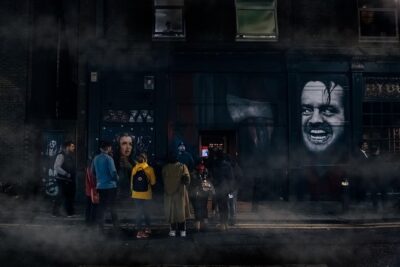
Ultimate Jack the Ripper : Guided Tour of London
Read our review →Browse the lists this tour appears in