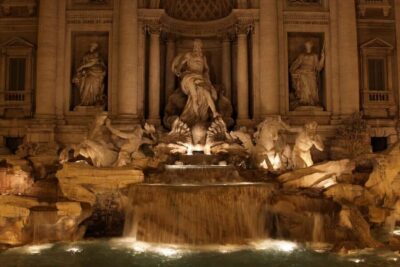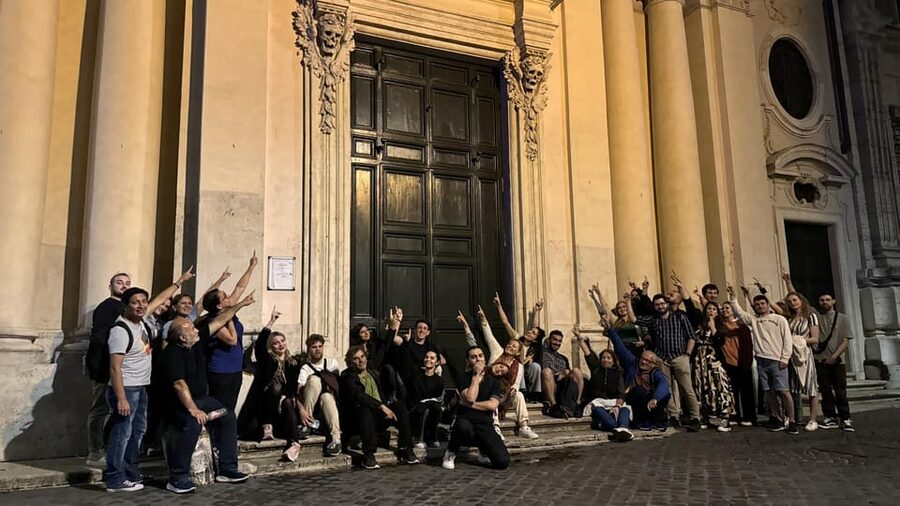
Review · ROME
Ghosts, Legends & Mysteries of Rome Tip-Based Walking Tour
Rome after dark has more to offer than softly lit fountains and busy piazzas. This tip-based walking tour takes you from Castel Sant’Angelo to Campo de’ Fiori through stories of executions, poisoners, inquisitors, corrupt popes, and ghosts. The history is grim, but the delivery is often funny and deliberately irreverent.
I like the strong local storytelling, especially from guides such as Ivan, Leonardo, and Simone, and I like the route through famous sights and less obvious corners. I also like the chance to ask questions face to face, without headphones. The main consideration is length: at 90 minutes, the tour can feel too short if you want a full evening of Roman crime history.
I love the dark humor and the way the walk uses real streets and buildings instead of treating Rome as a museum behind glass. Just remember that the advertised price is only the booking price. You are expected to tip at the end, usually at least €10 per person, with the amount depending on what the experience was worth to you.
Key points to know before booking
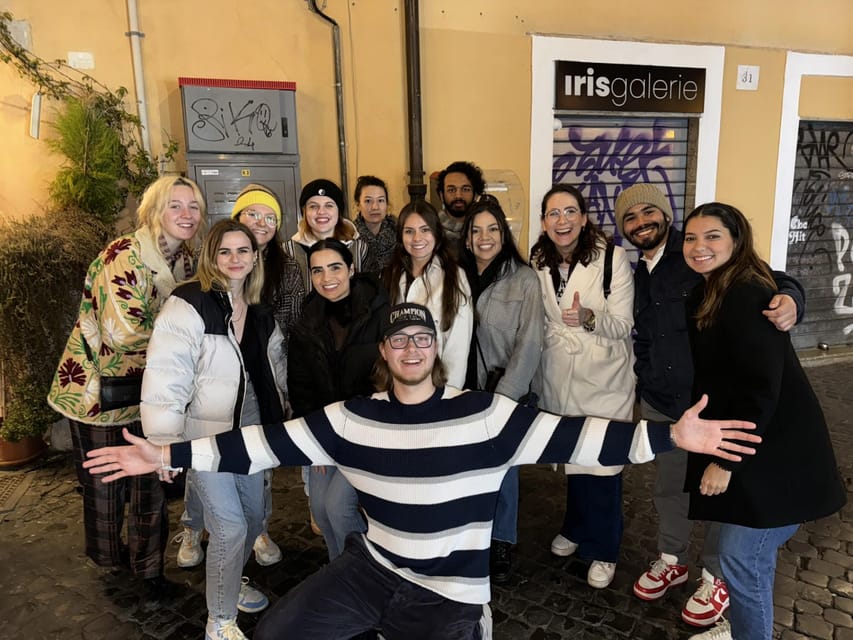
- Castel Sant’Angelo to Campo de’ Fiori: The route links two major Roman sights with a series of sinister stories in between.
- Giulia Tofana and Rome’s poisoners: You hear about notorious crimes, assassins, and the deadly methods behind them.
- History with sharp edges: Witches, heretics, the Inquisition, executions, and corrupt popes all feature.
- Guides who perform the stories: Ivan, Leonardo, Simone, Simon, and other local guides bring humor and personal energy to the walk.
- Tip-based pricing: The displayed $3.77 is not the complete cost. Plan for a cash tip, commonly around €10 or more per person.
- A short evening route: The walk lasts 1.5 hours and ends at Campo de’ Fiori, making it easy to pair with dinner or drinks.
Why Rome’s dark side works so well at night
Rome is full of grand churches, emperors, fountains, and postcard views. This walk turns your attention toward the stories that official sightseeing often skips: public cruelty, religious persecution, poison, murder, and the strange beliefs that shaped daily life.
That contrast is the real appeal. You may be looking at a beautiful Renaissance palace while hearing about a crime connected with the people who lived there. A narrow street becomes more interesting when you learn who was arrested nearby or what kind of punishment once took place in the area.
The tone is not a solemn history lecture. The guides use black humor and politically incorrect jokes, so you should expect a lively presentation rather than a careful, academic treatment of every event. I see that as a strength for people who lose interest during standard fact-heavy tours, but it will not suit everyone.
Some stories concern real violence and disturbing deaths. The humor keeps the mood moving, but the subject matter remains grim. If you prefer gentle ghost tales, this walk may be harsher than expected.
More Ghost Story Tours in Italy
- Rome: Small Group Rome’s Dark Side – Ghosts & Legends Tour
★ 4.9 · 343 reviews - Ghosts Legends and Mysteries of Rome Walking Tour
★ 5.0 · 149 reviews - Rome: Capuchin Crypts & Ghostly Legends Small-Group Tour
★ 4.9 · 133 reviews
Meeting at Castel Sant’Angelo
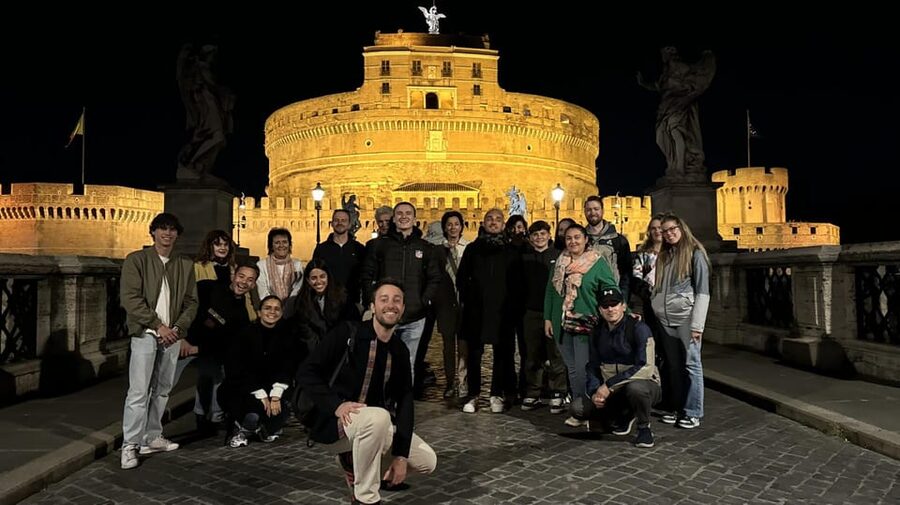
The tour begins in front of the entrance to Castel Sant’Angelo, by the Sant’Angelo bridge. This is a practical meeting point because the castle is easy to recognize, and the bridge gives you a striking start to the evening.
Castel Sant’Angelo itself has a long association with power, imprisonment, religion, and death. On this tour, you stop for about 15 minutes for an introduction, sightseeing, and storytelling. You do not simply pass the building on the way to somewhere else. The castle sets the mood for the entire walk.
I like this opening because it gives the tour a clear visual anchor. You are standing beside one of Rome’s most dramatic structures before hearing about the darker events connected with it. The setting does much of the atmospheric work without needing theatrical effects.
The meeting point is outside, so arrive ready to walk and check the starting time when booking. The tour takes place at night, and the group moves through city streets rather than staying in one enclosed attraction.
The unnamed stops and Rome’s less familiar stories
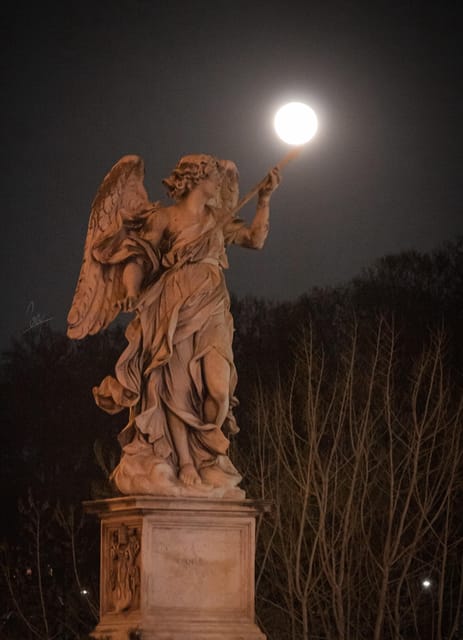
After Castel Sant’Angelo, the route includes several short guided stops. Some are listed simply as visits or secret stops, with walks of roughly five to ten minutes between them. The lack of detail is intentional: part of the pleasure is discovering which street, building, or corner becomes important next.
These pauses appear to focus on local episodes rather than major ticketed sights. You might hear about a person who lived in a particular building, an act of violence linked with a street, or a piece of Roman folklore that never makes it into a standard city tour.
This portion of the walk is likely to appeal most if you enjoy connecting stories to physical places. You are not sitting in a classroom hearing a string of unrelated dates. You are moving through the city and seeing where the stories supposedly unfolded.
The drawback is that the route can feel less structured than a tour built around one major monument. One four-star assessment described the stories as interesting but not always building toward a clear climax. I think that is fair. This is a chain of dark episodes, not a single mystery with a final reveal.
The Fountain of the Mask and Rome’s theatrical side
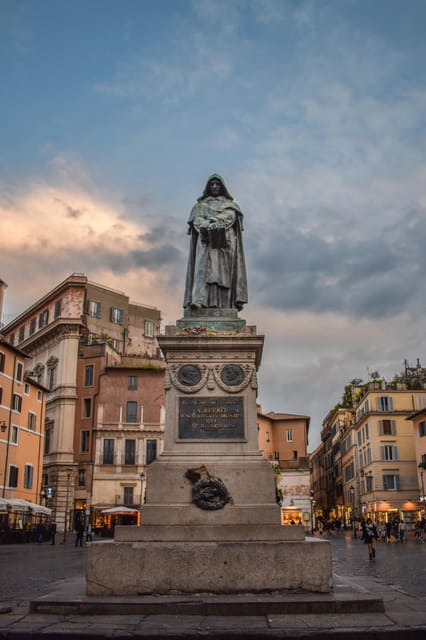
The Fountain of the Mask receives a short guided stop of about five minutes. It is one of the route’s smaller landmarks, but that is exactly why it works here. A fountain that might otherwise become background scenery gets a story and a place in the evening’s darker mood.
The tour does not treat Rome’s art as separate from its crimes and legends. A fountain, palace, alley, or church can all become part of the same story world. That approach helps you pay attention to details you might otherwise walk past.
Because the stop is brief, do not expect a long art-history explanation. The emphasis is on the tale connected with the place and on keeping the group moving. If you want extensive architectural detail, a specialist art tour would serve you better.
More Ghost Story Tours in Rome
- Rome’s Dark Side Ghosts and Legends Tour
★ 5.0 · 93 reviews
Farnese Palace and power behind beautiful walls
The walk continues to Farnese Palace, with another short guided stop. The palace gives the guide a chance to talk about authority, wealth, and the people who shaped Rome from inside grand residences.
This is one of the most useful themes running through the tour. Rome’s darker stories are not limited to criminals hiding in alleys. They also involve powerful families, religious leaders, political figures, and institutions that could punish people with little accountability.
You may find this part especially interesting if you want history without the polished version. The tour’s advertised approach is history with no filters, and the stories of corrupt popes, heretics, witches, and the Inquisition fit that promise.
The stop lasts only about five minutes, so the guide has to choose carefully. That keeps the pace lively, though it also means you will not receive a full history of the palace or its art. Think of Farnese Palace as a setting for one dark chapter, not a complete palace visit.
Campo de’ Fiori and the final ten minutes
The walk ends at Campo de’ Fiori, after a guided stop of about ten minutes. This lively square is a fitting finish because it is both beautiful and strongly connected with Rome’s history of public punishment and spectacle.
Ending here gives the tour a clear destination rather than leaving you in an anonymous side street. It also makes the evening easy to continue. The guide can offer suggestions for food, drinks, gelaterias, and nearby places to eat, which is useful after a night walk through central Rome.
I would save this tour for an evening when you have not already planned a formal dinner at a fixed time. The duration is listed as 1.5 hours, but you may want a little flexibility at the end for questions and recommendations.
Campo de’ Fiori is also a good place to discuss what you have heard. The tour does not end with a staged scare or a dramatic performance. It ends with the idea that Rome’s prettiest public spaces often have difficult stories beneath them.
The Giulia Tofana story and true crime content
One of the named subjects is Giulia Tofana, an infamous poisoner associated with a deadly legacy in Rome. Her story signals the kind of material you can expect: not just vague tales of spirits, but accounts of real people, crime, and the methods behind terrible acts.
The tour also covers assassins, executions, witches, heretics, and the Inquisition. These topics provide a broad look at the darker side of Roman life across different periods. The focus is less on a single era and more on recurring patterns of fear, power, punishment, and survival.
The word true matters here, but you should still expect a storytelling experience rather than a scholarly source analysis. The guides are presenting history for a general audience, often with dramatic timing and humor. That makes the material memorable, though it can simplify complicated events.
I would book this if you enjoy crime history, ghost lore, and unusual human stories. I would skip it if you want only confirmed supernatural accounts or if you are uncomfortable with jokes about death and violence.
The guides make or break this tour
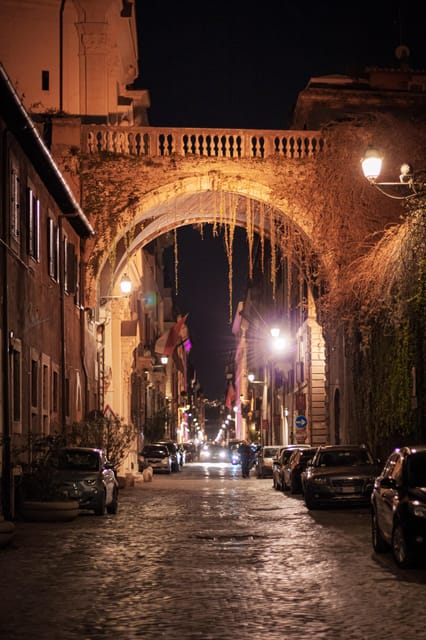
The strongest part of the experience is the guide’s delivery. The supplied guide names include Ivan, Leonardo, Simone, Simon, and Max, with English and Spanish tours available. Specific guide assignments can vary, but the repeated pattern is clear: the experience depends heavily on a storyteller who can hold attention outdoors at night.
Ivan is described as funny, sincere, charismatic, and good at answering questions. Leonardo is repeatedly praised for his preparation, energy, and ability to make grim subjects entertaining. Simone is described as passionate and effective at involving the group, while Simon is noted for being friendly and able to explain the stories clearly.
The best guides do more than recite facts. They adjust the pace, invite questions, and use the street setting as part of the performance. One particularly useful detail is that the tour does not use headphones, allowing face-to-face conversation with the guide.
That also creates a practical limitation. In a larger group, not everyone may hear or get the chance to speak. One assessment specifically found the group too large for easy participation. If you are near the back, stay close and move into position before the guide begins each story.
What the 90-minute length means
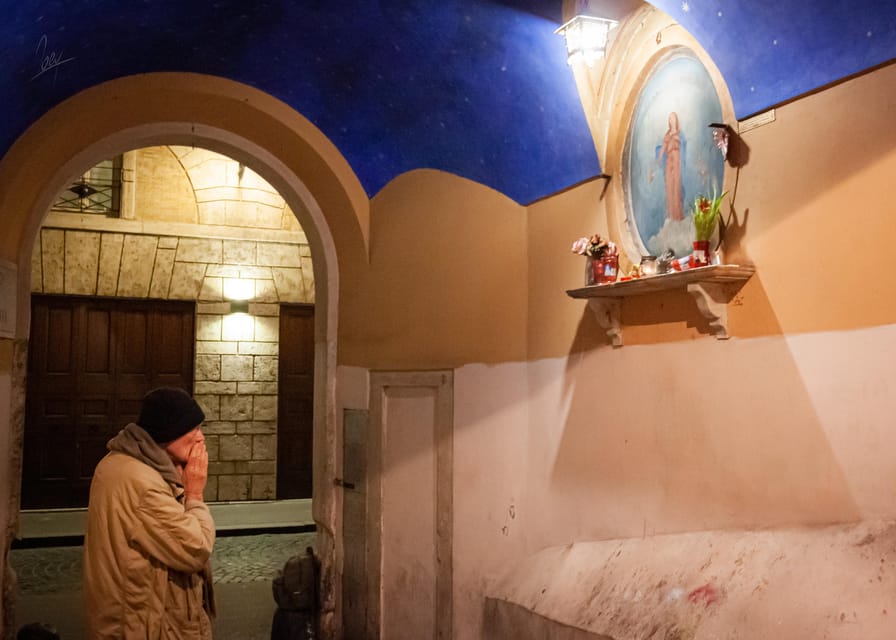
The short format is both a benefit and a limitation. Ninety minutes is easy to fit into a busy Rome itinerary, and you will not be committed to a three-hour walk after a full day of sightseeing.
The route also moves at a steady pace. Stops range from about five minutes to 15 minutes, with walking between them. That keeps the evening active and gives you changing views of central Rome.
The tradeoff is depth. Several people found the tour so engaging that they wished it lasted longer, while another assessment called it a little short. I agree with both points. The tour gives you a strong sample of Rome’s darker stories, but it cannot explore every person, building, or legend in detail.
Think of it as an evening introduction, not a complete course in Roman crime. If a particular story catches your interest, note the name and look for a museum, book, or longer history tour later.
Understanding the tip-based price
The displayed price of $3.77 per person makes the booking look almost free. It is better to treat that amount as a reservation price, not the full price of the experience.
The guide works on a pay-what-you-want model. At the end, you decide what the tour was worth. The suggested range is usually between €10 and $50, and one direct tip suggests budgeting at least €10 per person in cash.
That system can offer good value when the guide is excellent. You pay less than many fixed-price evening tours if you feel the experience was modest, while a particularly strong storyteller may deserve more. It also means you should not arrive thinking the guide’s work is covered by the small online charge.
I recommend deciding your personal tip budget before the tour. Bring cash if possible, and judge the guide on preparation, storytelling, group management, and how much you learned. The price is attractive, but only if you understand the payment model.
Who should book this Rome night walk?
This tour suits you if you like:
- Crime stories and unusual historical figures
- Ghosts and urban legends, even when the supernatural claims are uncertain
- Dark humor and blunt storytelling
- Seeing Rome at night on foot
- Small details connected with ordinary streets and buildings
- Flexible activities that end in a central dining area
Families with older teenagers may enjoy it, but the content is not presented as a children’s tour. Stories of executions, poison, murder, and religious persecution can be disturbing, and the jokes may be politically incorrect.
The tour also works well for repeat visitors who have already seen the Colosseum, Trevi Fountain, and Pantheon. It gives you a reason to return to central streets with a different focus. First-time visitors can enjoy it too, but I would not use it as a substitute for Rome’s main ancient and Renaissance sights.
Practical details for a smoother evening
The meeting point is directly in front of Castel Sant’Angelo’s entrance, by the Sant’Angelo bridge. Confirm the starting time when booking, since availability varies.
The walk is in English or Spanish. Choose the language in which you can follow fast storytelling and jokes, not just basic historical facts. The guides speak directly to the group and take questions, so language comfort matters.
Wear comfortable shoes and expect to walk between several central locations. The tour includes outdoor stops, short pauses, and changing streets rather than a long indoor visit. Keep your belongings secure and stay close to the group, particularly if the streets are crowded.
Free cancellation is available up to 24 hours before the experience for a full refund, and you can reserve now and pay later through the booking arrangement. Those policies make it easier to fit the walk into a changing Rome schedule.
Should you book Ghosts, Legends & Mysteries of Rome?
Book it if you want a lively, unusual night walk that mixes real crimes, old legends, Roman power struggles, and dark jokes. The guides are the key attraction, and names such as Ivan and Leonardo come up often for good reason: strong storytelling turns a short route into a memorable evening.
Do not book it expecting a formal ghost investigation, a long architectural tour, or a fully developed mystery with a dramatic ending. The stories can feel loosely connected, the group may occasionally be large, and 90 minutes passes quickly.
For the right audience, this is excellent value, provided you budget for the tip. It shows you a less polished Rome, then leaves you at Campo de’ Fiori with food and drink suggestions for the rest of the night.
FAQ
Where does the tour begin?
The tour begins in front of the entrance to Castel Sant’Angelo, by the Sant’Angelo bridge.
Where does the tour end?
The walk ends at Campo de’ Fiori.
How long does the experience last?
The walking tour lasts 1.5 hours.
What price should I expect to pay?
The displayed booking price is $3.77 per person, but the experience is tip-based. You choose the guide’s tip at the end, with the usual amount listed as between €10 and $50.
Is the tour really pay what you want?
Yes. The guides work for tips, and you decide what to give at the end of the experience.
Which languages are available?
The tour is available in English and Spanish.
What subjects does the guide cover?
The stories include ghosts, executions, witches, heretics, the Inquisition, corrupt popes, assassins, and Giulia Tofana, an infamous Roman poisoner.
Does the tour include food or drinks?
Food and drink recommendations are included, but the tour itself is a walking experience. The guide can suggest local eateries, gelaterias, and places for drinks.
Can I cancel the booking?
You can cancel up to 24 hours in advance for a full refund.
Can I reserve without paying immediately?
Yes. The reserve-now-and-pay-later option lets you book your place without paying at the time of reservation.
More Ghost Walking Tours in Rome
- New Orleans Premier Ghost, Voodoo and Vampire Walking Tour
★ 4.5 · 12,856 reviews - London: The Original Jack the Ripper Walking Tour
★ 4.7 · 7,833 reviews - Chicago: Gangsters and Ghosts Walking Tour
★ 5.0 · 7,155 reviews - Prague: Ghost Walking Tour Where Legends Come To Life
★ 4.4 · 5,253 reviews
More Ghost Walking Tours in Italy
- Rome: Paranormal Night Walking Tour & Secret Backstreets
★ 4.9 · 1,921 reviews - Rome: Haunted City Night Walking Tour
★ 4.9 · 616 reviews - Haunted Rome Ghost Night Walking Tour
★ 5.0 · 495 reviews - Rome: Colosseum and Ancient Dark History Walking Tour
★ 5.0 · 10 reviews
Freshly reviewed haunts around Rome
- Rome: Guided Haunted Rome Ghost Tour with Dowsing Rods★ 4.8 · 63 reviews
- Rome: Ghosts & Bone Crypts Tours: 2 Tours, 1 Discount Ticket★ 4.9 · 37 reviews
- Rome: Haunted Ghost Tour, Mystery Crimes and Blackmagic★ 4.2 · 43 reviews
- Rome: Colosseum and Ancient Dark History Walking Tour★ 5.0 · 10 reviews
- Rome After Dark: Ghosts & Medieval Backstreets Tour★ 4.8 · 4 reviews
- Rome: Capuchin Crypts & Ghostly Legends Small-Group Tour★ 4.9 · 133 reviews
- Ghosts of Rome 2-Hour Tour★ 4.3 · 16 reviews
- Rome’s Dark Side: Ghosts, Scandals and Crypts – small group★ 5.0 · 2 reviews
Rome Ghost Tours, compared.
Rome: Paranormal Night Walking Tour & Secret Backstreets
Read our review →
Rome: Guided Bar Crawl with Drinks & Dark History
Read our review →
Rome: Small Group Rome’s Dark Side – Ghosts & Legends Tour
Read our review →