
Review · ROME
Rome After Dark: Ghosts & Medieval Backstreets Tour
Rome after dark is not all fountains glowing under the moon. This two-hour walk follows the city’s harsher past, from Giordano Bruno’s execution site to a church decorated with human skulls and the prison history of Castel Sant’Angelo. The stories concern torture, betrayal, poisoned cosmetics, condemned prisoners, and souls said to remain behind.
I like the way this tour uses real places instead of relying on theatrical effects. I also like the compact route and small shared group, which give the guide room to explain the darker corners of central Rome. The main consideration is that some stops are atmospheric rather than fully visited interiors, and the pace may feel brisk if you want long time for photographs.
Key points to know before you book
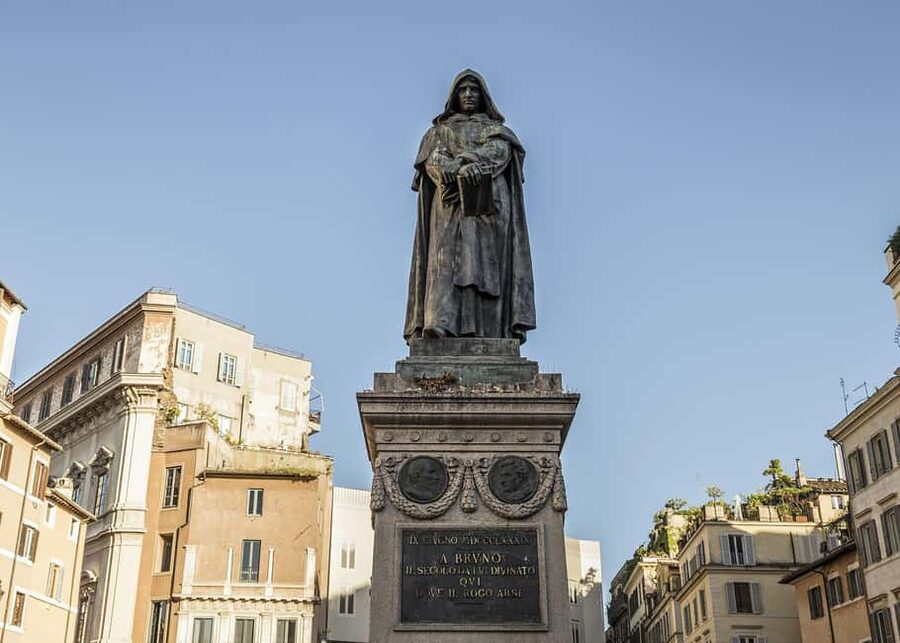
- Giordano Bruno begins the story: Meet by his statue in Campo de’ Fiori, where the tour sets Rome’s religious and political conflicts in context.
- A skull-filled church adds real atmosphere: Santa Maria dell’Orazione e Morte brings the theme indoors and connects the walk with Rome’s old burial traditions.
- The route is built around grim characters: You’ll hear about an executioner, condemned prisoners, secretive monks, and women harmed by poisonous cosmetics.
- Castel Sant’Angelo is the dramatic finish: The former tomb became a fortress, prison, torture site, and execution ground.
- It is a walking tour, not a ghost show: Expect spoken stories at historic sites, with legends mixed into documented episodes of Rome’s past.
- Plan for weather and uneven streets: Wear comfortable shoes, bring water and an umbrella, and carry a shoulder covering for church visits in warm weather.
Why Rome feels different after sunset
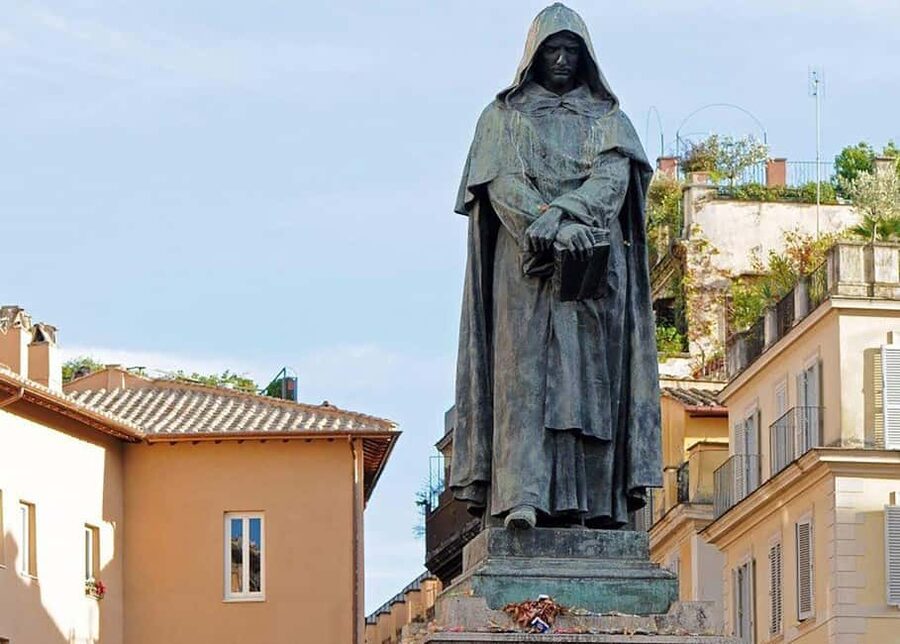
Rome changes once the day crowds thin. Campo de’ Fiori may be lively earlier, but after dark its statue of Giordano Bruno gives the square a much more serious mood. That shift is the point of this tour. You are not simply looking at famous monuments. You are hearing about the people who suffered beneath Rome’s grand religious and political story.
The route works best for you if you enjoy history with a dark edge. The guide tells stories of murder, torture, betrayal, religious conflict, and executions, but the experience is still a history walk. There are no claims that you will see a ghost, and there is no suggestion that every tale should be taken as literal fact.
The English-speaking guide leads a shared group through central Rome for about two hours. The group is described as intimate, though no exact maximum size is given. That matters because the tour depends on spoken storytelling. A very large crowd would make narrow streets and quiet explanations harder to manage, while a smaller group should make it easier to hear and stay close.
The tour costs $82 per person. That is a fairly serious price for a two-hour walk, so the value depends on what you want from Rome. If you are happy with a standard sightseeing circuit, you can find less expensive walks. If you want a focused evening route that links lesser-known stories with recognizable landmarks, the cost may make sense, especially if the guide is strong at setting mood and explaining context.
Other ghost walks and hunts we rate around Rome
- Rome: Paranormal Night Walking Tour & Secret Backstreets
★ 4.9 · 1,921 reviews - Haunted Rome Ghost Tour – The Original
★ 4.5 · 668 reviews - Rome: Haunted City Night Walking Tour
★ 4.9 · 616 reviews
Meeting Giordano Bruno in Campo de’ Fiori
Your starting point is the center of Campo de’ Fiori, beneath the statue of Giordano Bruno. Look for the guide holding a yellow flag in front of the monument. This is a useful meeting place, but Campo de’ Fiori can be busy and confusing, so arrive with enough time to locate the statue rather than searching at the last minute.
Bruno was a philosopher whose ideas challenged church authority. The tour uses his fate to introduce a period when religious disagreement could carry a deadly price. You’ll hear about his trial and fiery execution while standing at the place linked to that event.
This opening gives the tour a firm historical base. The story is not merely a spooky legend. It concerns censorship, power, punishment, and the fear created by public executions. That makes the later ghost stories more effective because you understand that Rome’s dark reputation grew from real suffering.
Campo de’ Fiori also shows the contrast that makes the walk work. By day, it is a familiar Roman square with cafés and shoppers. At night, the monument and surrounding buildings suggest a city that remembers more than it displays.
Medieval lanes, churches, and the city’s forgotten corners
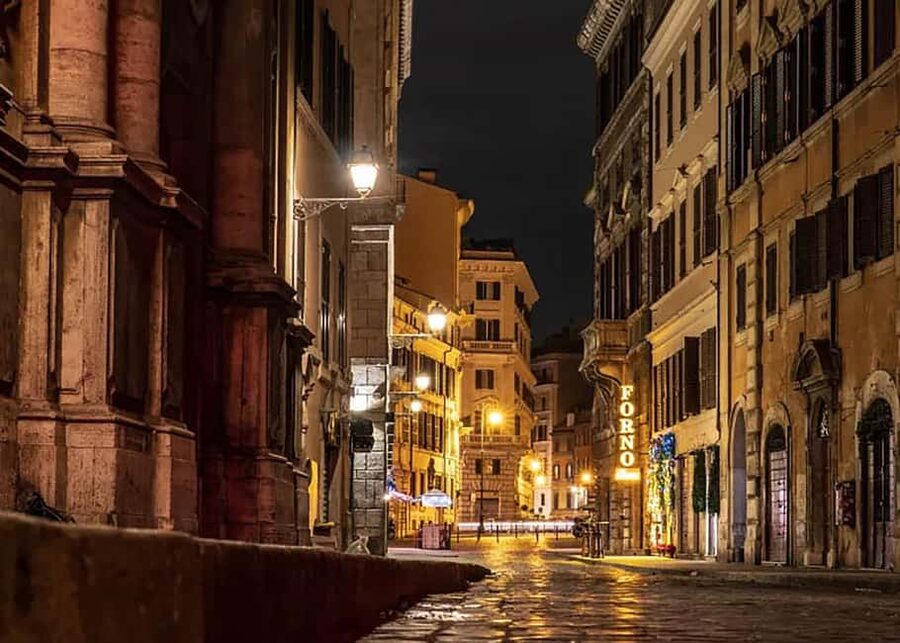
From the square, the walk moves through old streets toward several sites tied to Rome’s medieval and early modern past. The cobbled lanes are part of the experience. You will be walking rather than moving between attractions by vehicle, so the changing streets help connect the stories.
One stop concerns an ancient church associated with human skulls and a memorial to the dead. The most specific church on the route is Chiesa di Santa Maria dell’Orazione e Morte, also known as Saint Mary of Prayer and Death. The church’s name alone tells you how closely religion, burial, and death were linked in older Rome.
The church is listed twice in the route, likely reflecting more than one part of the visit or guided explanation. Do not expect a full church tour with extensive free time. The emphasis is on the site’s macabre history and the stories attached to it.
Bring a cape or shawl for bare shoulders during warmer months. The tour information specifically advises this for church visits. Comfortable shoes matter too. Even a short route through central Rome can involve hard paving, uneven cobbles, and standing while the guide speaks.
The church stop may be the strongest match for you if you prefer tangible atmosphere over dramatic narration. Human skulls and a place connected to prayer for the dead give the subject physical weight. At the same time, church access can depend on conditions at the time of the visit, so treat the stop as part of a guided route rather than a guaranteed long interior visit.
The monks, the executioner, and Rome’s culture of punishment
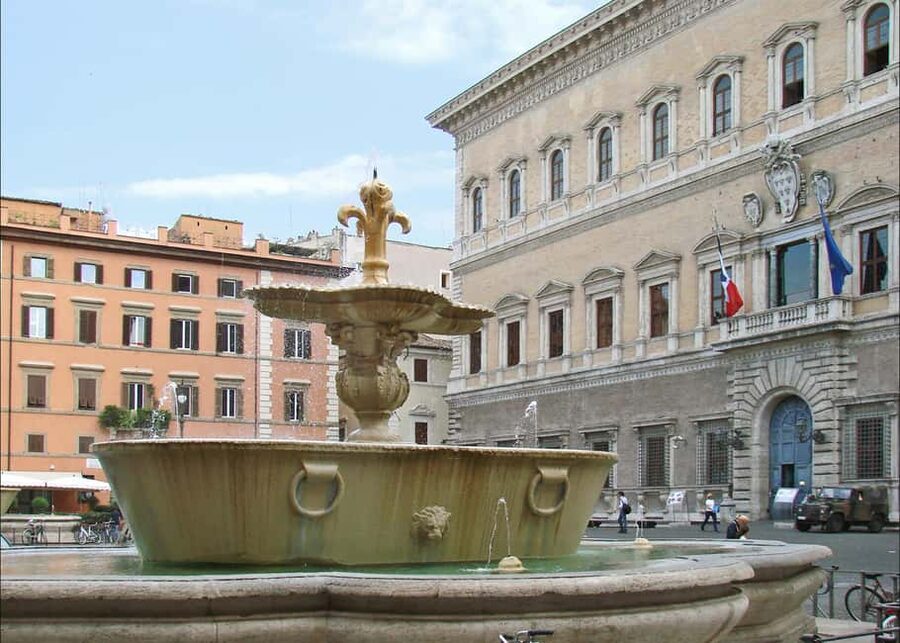
The route then turns to stories that show how institutions and individuals shaped Rome’s darker side. One concerns a secretive order of monks and the unsettling rituals associated with them. The material provided for the tour does not identify the order by name, so you should expect the guide to supply the details on the night rather than arrive with a fixed list of names.
This part of the walk relies more heavily on legend and atmosphere. That is not a flaw, provided you enjoy hearing how rumor, religious secrecy, and old fears grow together. A good guide should help you distinguish between a documented event and a story that has gathered supernatural force over time.
Another stop focuses on the childhood home of one of Rome’s most infamous executioners. His early life in a world shaped by death and punishment is used to explain how he became feared across the city. You’ll hear about public executions and the terror surrounding the man who carried them out.
This is a valuable angle because the tour does not look only at victims. It also asks what sort of society creates professional executioners and how a city turns punishment into a public spectacle. The subject may be disturbing, particularly for children or anyone sensitive to graphic tales.
The tour’s strongest praise has centered on its informative, interesting storytelling and the guide’s passionate account of medieval murders and related events. That is important here. The success of these stops depends less on the buildings themselves than on the guide’s ability to explain who lived there, what happened, and how much belongs to history or legend.
Same old streets, another story to hear:
- Haunted Rome Ghost Night Walking Tour
★ 5.0 · 495 reviews - Rome: Guided Bar Crawl with Drinks & Dark History
★ 4.9 · 444 reviews - Rome: Small Group Rome’s Dark Side – Ghosts & Legends Tour
★ 4.9 · 343 reviews - Ghosts, Legends & Mysteries of Rome Tip-Based Walking Tour
★ 4.7 · 284 reviews
Ponte Sisto and the Fountain of the Mask
Ponte Sisto forms part of the route as the walk passes between central landmarks and the darker sites near the river. A bridge can seem like a simple place to pause, but it helps you understand the route as a connected walk through Rome rather than a series of isolated addresses.
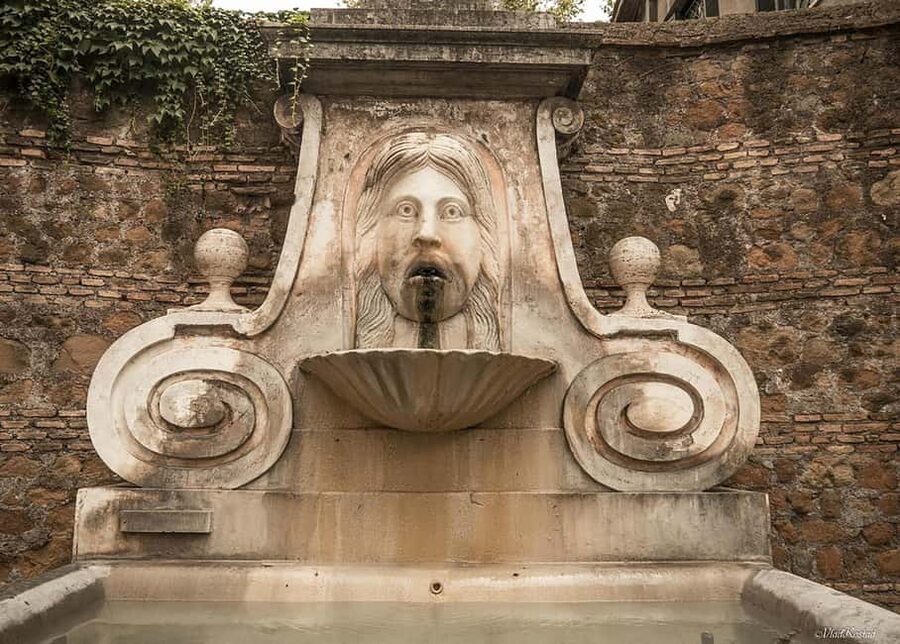
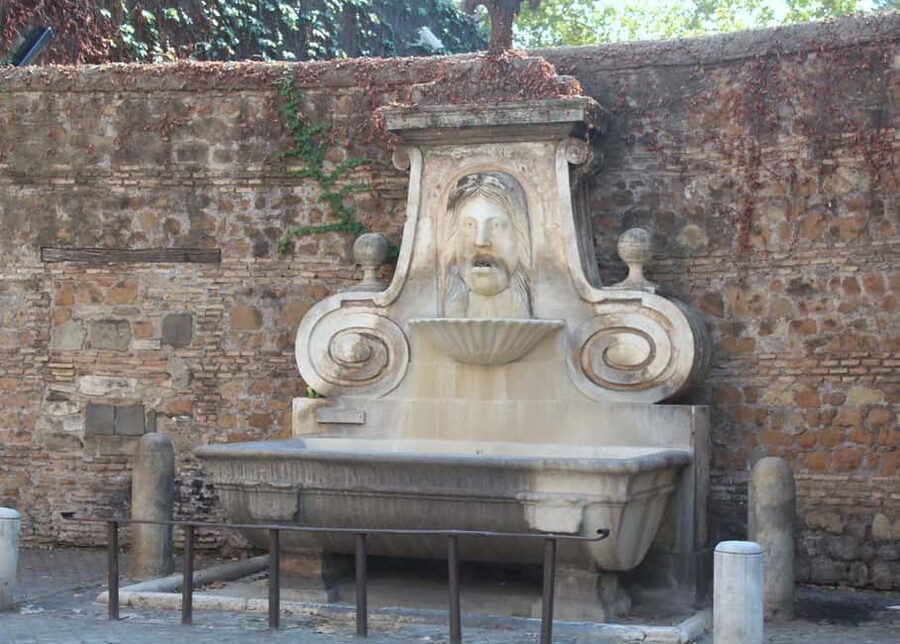
The Fountain of the Mask adds another atmospheric stop. The supplied details do not provide a full account of the fountain’s specific legend, so the guide’s explanation will be the main reason to linger there. You should expect a short guided pause, not a major monument visit.
These brief stops are useful for pacing. Two hours of grim stories can become heavy if every pause is inside a church or beside a prison. Moving through open streets and across the bridge gives you a change of setting while keeping the focus on Rome’s old tales.
Do not plan a separate meal or drink stop during the tour. Food and beverages are not included, and the route is built around continuous walking and storytelling. Have water with you, especially in warm weather, since the tour continues in all weather conditions.
The poisonous perfumery and death by beauty
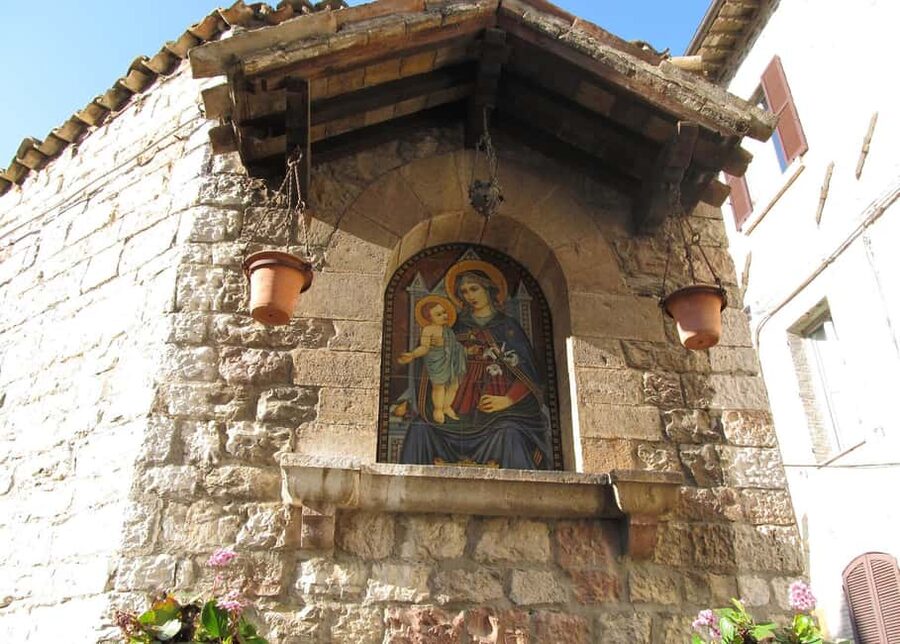
One of the strangest subjects on the walk is a poisonous perfumery. The story concerns women who used toxic cosmetics in the pursuit of beauty and paid with their lives. It is a grim reminder that danger in old Rome did not always come from prisons, soldiers, or religious courts.
This stop broadens the tour beyond executions. Vanity, domestic life, commerce, and poisoning all enter the story. The subject also offers a different kind of fear. Instead of a public punishment, the threat was hidden in an everyday product.
The exact location and surviving remains of the perfumery are not specified, so you should not expect a preserved shop or a museum display. The value is in the account itself and in seeing how the guide connects a specific place with a disturbing episode.
For me, this is the sort of detail that can make a themed walk worthwhile. You remember the odd stories: not only famous prisoners and popes, but also the ordinary objects and private choices that could turn deadly. It gives the tour variety before the final fortress.
Castel Sant’Angelo, from imperial tomb to prison
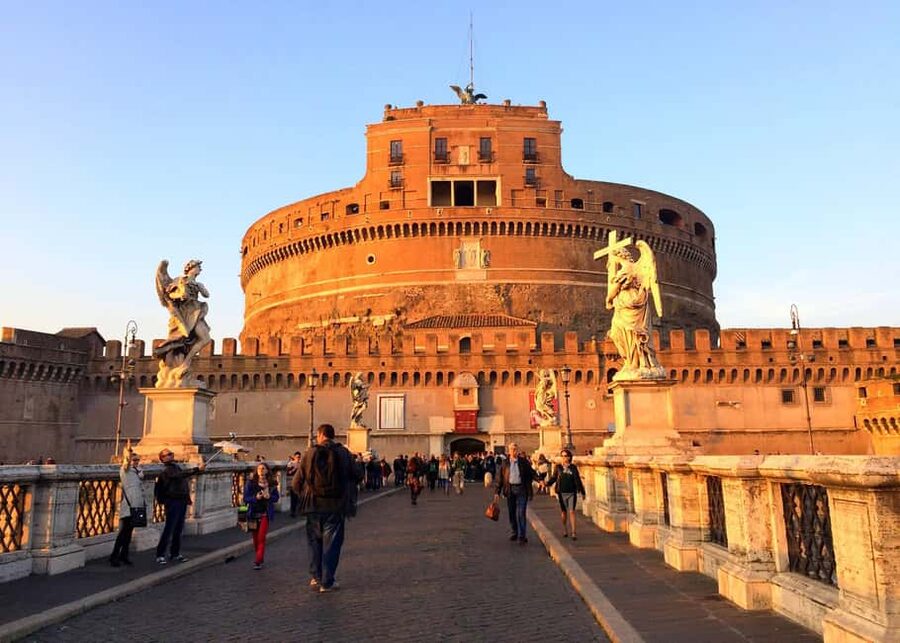
The route reaches its dramatic high point at Castel Sant’Angelo. Originally built as the tomb of Emperor Hadrian, the structure later served as a fortress and prison. It also became associated with torture and executions.
You may not enter the castle as part of this two-hour activity. The route description presents Castel Sant’Angelo as a guided stop, so expect to hear its stories from outside or at the designated point rather than assume admission is included. Entry tickets are not listed among the inclusions.
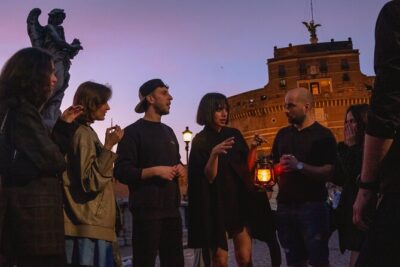
Even from outside, the fortress is an effective final setting. Its massive shape and long connection with imprisonment make it a natural place to end a night walk about condemned souls. The guide recounts people who met brutal ends within its walls and legends about spirits that still haunt the site.
The stop also ties together the themes introduced at Campo de’ Fiori. Rome’s rulers, church officials, prisoners, and ordinary people all passed through systems of power that could end in confinement or death. The fortress gives those stories a single physical focus.
The stated route says you return to Campo de’ Fiori after the guided stops. Since the tour is on foot and the exact walking path back is not detailed, allow a little flexibility after the scheduled two hours if you have a dinner reservation or another timed activity.
What the $82 price gives you
At $82, you are paying for a specialized evening experience, not entry to a major monument. The price includes an English-speaking guide, the two-hour walking route, and the shared group format. It does not include transport, food, drinks, or stated admission to Castel Sant’Angelo.
The value is strongest when you want interpretation. Rome’s streets and monuments are free to see, but it takes a guide to connect Bruno’s execution, the church of prayer and death, the executioner’s home, the poisonous cosmetics, and the fortress into one coherent story.
The price is harder to justify if you mainly want photographs or a relaxed stroll. The route includes many stops, and the guide’s stories are the main attraction. You should book it for the subject and the storytelling, not for a long visit inside each site.
The four published ratings produce a 4.8 score, with the clearest praise focused on how informative and interesting the experience is. One response simply called it very good, while another highlighted the guide’s passionate storytelling about medieval murders and related events. That matches the tour’s strongest purpose: learning Rome’s grim stories in the places connected with them.
Practical advice for a comfortable night walk
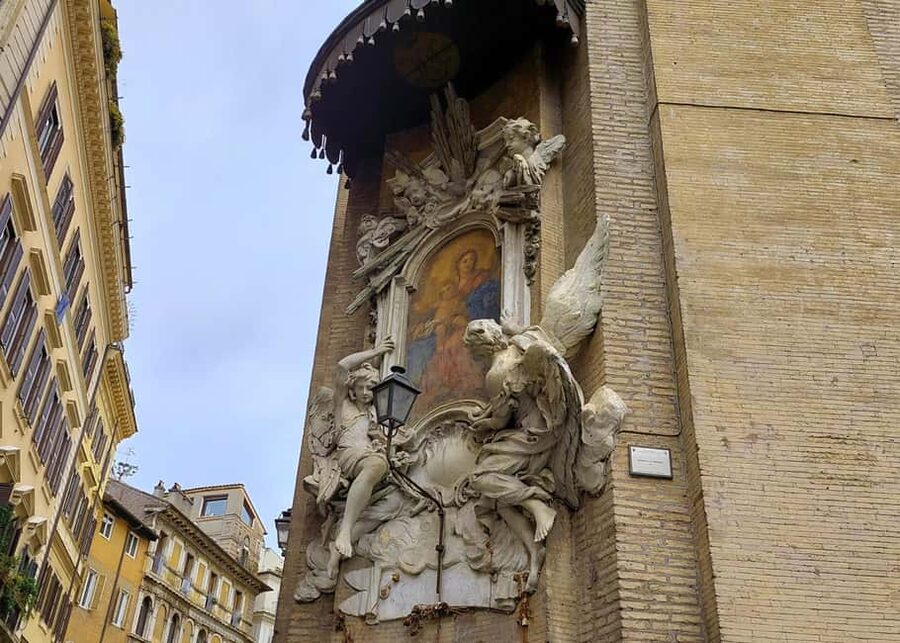
Wear shoes you can walk and stand in for two hours. Rome’s central streets are not uniformly smooth, and the tour continues in rain or other weather.
Bring water, sunscreen, a hat, and an umbrella as appropriate. The advice may sound more suited to a daytime walk, but the route operates in all weather and can include exposed stretches before and after sunset.
Dress warmly in colder months. In summer, bring something to cover bare shoulders inside a church. You must also bring a passport or identity card.
The tour is not suitable for wheelchair users. The information does not provide a detailed accessibility assessment, so anyone with other mobility concerns should ask the provider before booking.
The activity is offered in English only. It is a shared tour rather than a private walk. You can cancel up to 24 hours in advance for a full refund, and you can reserve while paying later. If you book at the last minute and seats are unavailable, you may be placed on the following day. The provider also asks for a WhatsApp number so support can contact you after booking.
Who should book this Rome ghost tour?
I would choose this tour if you like history told through people, crimes, religious conflict, and unsettling legends. It suits repeat visitors who have already seen Rome’s major monuments and want an evening route with a different focus.
It also works for first-time visitors who enjoy walking and want to see familiar areas in a new light. Campo de’ Fiori, Ponte Sisto, and Castel Sant’Angelo are easier to appreciate when you understand the punishment and power tied to them.
I would skip it if you dislike stories of torture, executions, murder, or death. I would also think twice if you need a fully accessible route, guaranteed indoor visits, or plenty of free time for photos.
For most people who enjoy serious historical storytelling with a spooky edge, this is a well-focused choice. Book it for the guide’s narration and the locations, keep your expectations realistic about ghost sightings and interiors, and leave room in your evening schedule for the walk back to Campo de’ Fiori.
FAQ
Where does the Rome ghost tour begin?
Meet in the center of Campo de’ Fiori, in front of the Giordano Bruno Monument. Your English-speaking guide will hold a yellow flag.
How long does the tour last?
The tour lasts two hours. Starting times vary, so you need to check availability for your chosen date.
What language is the tour offered in?
The tour is offered in English with a live guide.
Is Castel Sant’Angelo admission included?
Admission to Castel Sant’Angelo is not listed among the inclusions. The fortress is a guided stop on the route, but the activity details do not state that you enter it.
Is food or transportation included?
No. Transportation to and from the meeting point, food, and drinks are not included.
What should I bring?
Bring a passport or identity card. Comfortable shoes, water, and an umbrella are also recommended. In warm weather, carry a cape or other covering for bare shoulders inside a church.
Is the tour wheelchair accessible?
No. The tour is not suitable for wheelchair users.
Can I cancel the booking?
Yes. You can cancel up to 24 hours in advance for a full refund. You can also reserve now and pay later.
Freshly reviewed haunts around Rome
- Rome: Guided Haunted Rome Ghost Tour with Dowsing Rods★ 4.8 · 63 reviews
- Rome: Ghosts & Bone Crypts Tours: 2 Tours, 1 Discount Ticket★ 4.9 · 37 reviews
- Rome: Haunted Ghost Tour, Mystery Crimes and Blackmagic★ 4.2 · 43 reviews
- Rome: Colosseum and Ancient Dark History Walking Tour★ 5.0 · 10 reviews
- Rome: Capuchin Crypts & Ghostly Legends Small-Group Tour★ 4.9 · 133 reviews
- Ghosts of Rome 2-Hour Tour★ 4.3 · 16 reviews
- Rome’s Dark Side: Ghosts, Scandals and Crypts – small group★ 5.0 · 2 reviews
- Ghosts Legends and Mysteries of Rome Walking Tour★ 5.0 · 149 reviews
Rome Ghost Tours, compared.
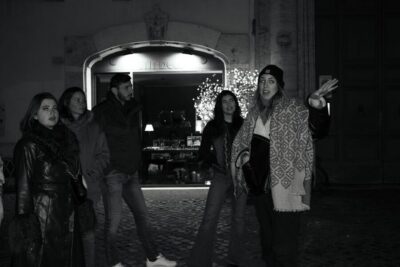
Rome: Paranormal Night Walking Tour & Secret Backstreets
Read our review →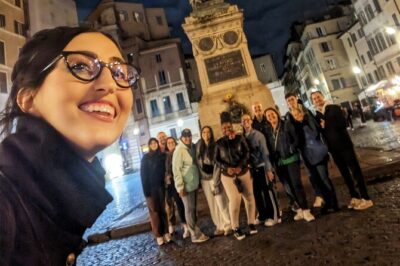
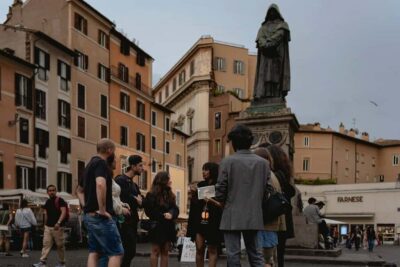
Rome: Guided Bar Crawl with Drinks & Dark History
Read our review →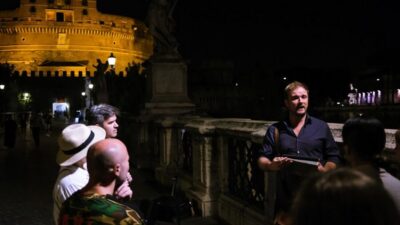
Rome: Small Group Rome’s Dark Side – Ghosts & Legends Tour
Read our review →
Ghosts, Legends & Mysteries of Rome Tip-Based Walking Tour
Read our review →
Rome: Capuchin Crypts & Ghostly Legends Small-Group Tour
Read our review →Browse the lists this tour appears in