
Review · CHICAGO
Chicago Gangsters and Ghosts Luxury Minibus Tour
Chicago’s darker past comes alive on this two-hour ride through the Loop. You’ll hear about Prohibition gunfire, Al Capone’s speakeasies, Frank Nitti’s vault, haunted hotels, and one of the worst fires in American history, all while a driver handles Chicago traffic.
I like the way this tour covers a lot of ground without asking you to march from one downtown sight to the next. I also like the mix of mob stories, ghost tales, architecture, and skyline views, which keeps the trip from feeling like a single-theme history lecture.
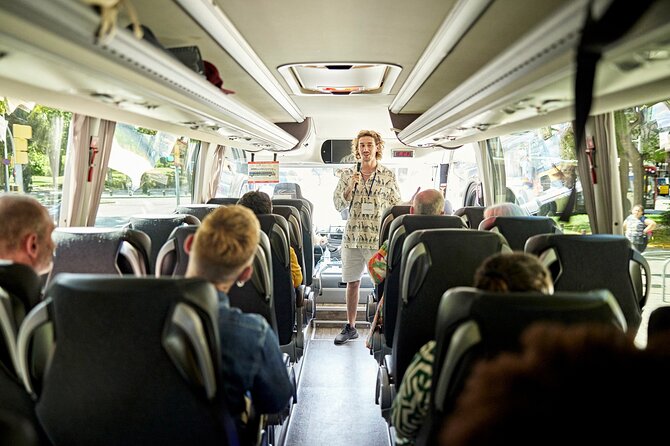
The main thing to consider is the vehicle. It is sold as a luxury minibus, but at least one departure used a standard large bus instead. If a small, private group is important to you, confirm the current vehicle before booking.
Key points to know before you book
- Frank Nitti’s vault: Spend about 15 minutes at Harry Caray’s Italian Steakhouse and see a physical link to Chicago’s criminal past.
- A seated way to see the Loop: The bus lets you cover Holy Name Cathedral, the Chicago River, the Chicago Theatre, Death Alley, the Art Institute, the Congress Hotel, and the Jeweler’s Building in roughly two hours.
- Guides make the difference: Alan, Ty, Avery, Kris, Matthew, Karina, and others have been praised for lively storytelling, humor, and strong Chicago knowledge.
- A useful break from walking: The clean, quiet bus is welcome after a long day on foot, especially during a busy sightseeing schedule.
- A good value at $49: You get a guide, driver, transportation, and a focused look at several downtown locations without paying for a full-day tour.
- Expect stories and exterior views: The tour is mainly a moving history lesson, with selected stops and photo opportunities rather than long visits inside every site.
Why this Chicago bus tour works
Chicago has an unusually strong connection between place and story. A church wall, hotel lobby, river bend, or old office building can become part of a tale about gang warfare, bootlegging, fire, or a ghost said to linger after death.
That is the appeal here. You are not simply looking at old buildings from a bus window. Your guide gives each one a role in the city’s Prohibition-era story, then adds darker side notes about hauntings and tragedy. The result is part sightseeing tour, part history talk, and part spooky entertainment.
I would not choose this as my only introduction to Chicago. It does not replace walking the Riverwalk, visiting the Art Institute, or spending time inside the city’s major historic buildings. But it works well as a compact overview, especially if you want to understand how Chicago’s streets became tied to organized crime and local legend.
The $49 price is reasonable for a two-hour outing. A taxi or rideshare could move you around downtown, but it would not provide a dedicated guide, a connected story, or a driver who knows the route. You are paying for context as much as transportation.
Other ghost walks and hunts we rate around Chicago
- Chicago: Gangsters and Ghosts Walking Tour
★ 5.0 · 7,155 reviews - Chicago: Gangsters and Ghosts Guided Walking Tour
★ 4.7 · 1,697 reviews - Medieval Torture Museum Ticket with Audio Guide and Ghost Hunting
★ 5.0 · 962 reviews
Starting at the Palmer House
The tour begins at the Palmer House Hilton at 17 East Monroe Street, a central Loop location that is easy to reach by public transportation. It also places you close to the Art Institute, Millennium Park, the Chicago Theatre, and other major sights, so you can build the tour into a full day downtown.
Arrive ready to board rather than expecting a long welcome session. The exact bus can vary, and that matters here. Several people enjoyed a clean, quiet luxury-style vehicle, while one person found a standard large bus disappointing after choosing the tour for a smaller atmosphere.
The listed maximum is 250 people, which is a surprisingly high number for anything described as a minibus. That does not mean every departure reaches that size, but you should not assume you are booking a private van or an intimate group. If the small-group feel is essential, contact the operator before paying.
The tour returns to the Palmer House. That makes planning easy, since you can continue exploring the Loop, eat nearby, or use public transportation from the same central area.
Holy Name Cathedral and the sound of Prohibition gunfire

One of the first notable locations is Holy Name Cathedral at 735 North State Street. The church is tied to a dramatic Italian gang attack on an Irish gang, with bullets reportedly ricocheting off its walls.
This stop gives the tour its basic tone. Chicago’s gangster past is not presented as a movie set far from ordinary life. It happened beside churches, hotels, restaurants, offices, and busy streets that still serve the city today.
You may not spend a long period outside the cathedral, so treat this as a story stop rather than a full church visit. The value comes from hearing what happened at the location and then seeing how close it is to the rest of Chicago’s daily traffic.
That contrast is one of the tour’s strengths. The city looks polished and modern, but the guide keeps pointing out the older events beneath the surface.
Frank Nitti’s vault at Harry Caray’s

The most concrete stop on the route is Harry Caray’s Italian Steakhouse. You spend about 15 minutes there, with admission included, and see a secret vault connected with gangster Frank Nitti.
This is a useful change of pace from exterior sightseeing. You get a physical object associated with the period rather than only a story told through a bus microphone. The vault gives the criminal history a sense of place, even if you are not spending enough time for a full restaurant visit or museum tour.
The stop is short, so keep your expectations in check. You are not receiving an extended examination of Nitti’s life or a large collection of artifacts. Instead, the vault acts as a memorable detail inside a wider route.
It is also a good point to listen closely to your guide. The strongest part of this experience is not simply knowing that a vault exists. It is understanding how the vault fits into Chicago’s underworld, and guides such as Ty, Alan, Kris, and Matthew have been praised for making those connections entertaining.
Same old streets, another story to hear:
- Haunted Chicago Booze and Boos Ghost Walking Tour
★ 5.0 · 266 reviews - Chicago Hauntings Original Ghost Bus Tour
★ 4.0 · 147 reviews - Embers of the Windy City: Chilling Chicago Ghost Tours
★ 4.5 · 121 reviews - Chicago: Medieval Torture Museum Ticket with Ghost Hunting
★ 4.7 · 96 reviews
Chicago River views with a criminal backstory

The ride along the Chicago River offers one of the best visual breaks in the tour. You get skyline views and a look at the city’s famous architecture while the guide continues with stories about Chicago’s rougher past.
This section helps the tour appeal to people who are not devoted to mob history. Even if the gangster material becomes too grim or repetitive for you, the river and skyline provide a welcome change. Have your camera ready, though the exact views depend on traffic, weather, and where the bus can stop or slow down.
A bus is particularly useful here. Chicago’s riverfront can be crowded, and reaching several viewpoints on foot takes time. The tour gives you a moving look at the city without requiring you to plan each crossing and turn.
One caution: you should not expect a dedicated architecture tour. The buildings are part of the setting and the views, but the main focus remains gangsters, ghosts, fires, and crime stories.
The Chicago Theatre for a classic photo
The Chicago Theatre is one of the route’s easy wins. Its famous marquee gives you an instantly recognizable Chicago photo, and it also fits the tour’s interest in old entertainment districts and downtown nightlife.
This is mainly a photo opportunity. You should not expect a full theater tour or a performance. Still, it breaks up the ride and gives you a clear visual reminder that Prohibition-era Chicago was not only about back rooms and violence. The same downtown streets also drew performers, diners, office workers, and theater crowds.
If you want a picture beneath the marquee, keep your camera accessible rather than packed away under the seat. The tour moves quickly, and short stops reward people who are ready.
Death Alley and Chicago’s most painful history
Death Alley introduces a different kind of darkness. The site is connected with the deadliest single-building fire in United States history, making it one of the most somber places on the route.
This is not simply another spooky stop. The fire story adds social history and tragedy to the gangster theme. It reminds you that Chicago’s past includes industrial danger, crowded buildings, and public disasters as well as organized crime.
Your guide’s tone matters here. A good guide will keep the story compelling without turning a mass-casualty event into cheap entertainment. The tour’s strongest accounts combine gruesome detail with respect for the people affected.
You may find this portion more serious than the ghost stories. That contrast is useful. It keeps the outing from becoming a string of sensational tales and gives you a broader sense of why Chicago developed such a hard-edged reputation.
The Art Institute and the 1893 World’s Fair

The Art Institute of Chicago is another important sight on the route. It is one of the two remaining permanent structures from the 1893 Chicago World’s Fair, giving it a direct link to the city’s effort to present itself as a major modern metropolis.
The building also shows the tour’s wide reach. You move from gang warfare and haunted hotels to art, architecture, and civic ambition. Chicago’s identity was not shaped by criminals alone. The city was also building institutions meant to impress the world.
The tour does not include an extended museum visit. If you want to see the collection, plan a separate visit and allow much more time. The bus tour simply gives you a useful historical introduction and helps you decide which downtown locations deserve a return visit.
That is one of the better features of the route. After two hours, you may have a short list of places to explore on foot later rather than trying to see everything from a single seat.
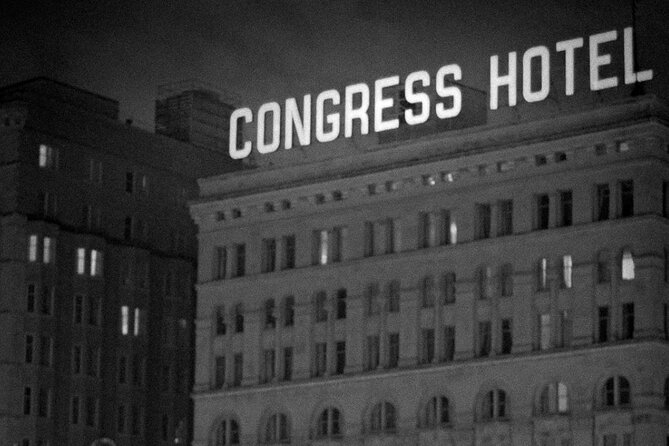
The Congress Hotel and Chicago’s ghost stories
The Congress Hotel is presented as Chicago’s most haunted hotel, making it the natural stop for the paranormal side of the tour. Your guide shares ghost legends and eerie stories tied to the building and its past.
These tales work best if you treat them as local folklore rather than proven fact. The tour is designed to entertain, and the ghost material adds atmosphere to the historical stops. You may get goose bumps, especially when the guide uses the building’s age and past events to create a sense of place.
The Congress Hotel also gives the bus route a change in mood. After the violence of gang stories and the tragedy of Death Alley, the hotel adds mystery instead of another crime scene.
Do not book this experience expecting a formal paranormal investigation. You are hearing stories from a guide, not using equipment or spending the night in a haunted room. If you enjoy ghost lore alongside history, this is a good fit. If you want only documented facts, you may prefer the architectural and civic parts of the route.
The Jeweler’s Building and Al Capone’s speakeasies
The Jeweler’s Building was once home to one of Al Capone’s 100 speakeasies in the Loop. That detail puts Prohibition directly into the middle of the modern business district.
The story also explains why a bus route is useful. Chicago’s gangster sites are scattered among ordinary commercial buildings. You might walk past one without knowing what took place there. A guide points out the connection so you can see the city with a sharper eye afterward.
As with several other locations, this is primarily an exterior sight and a narrated stop. Do not expect entry into a working speakeasy or a recreated Prohibition club based on the information provided.
The best way to enjoy this part is to notice the setting. The building is not isolated in a preserved criminal quarter. It sits in the Loop, where offices, shops, restaurants, and commuters continue to use the area. That mixture of ordinary life and old crime is central to the tour’s appeal.
The guides are the heart of the experience
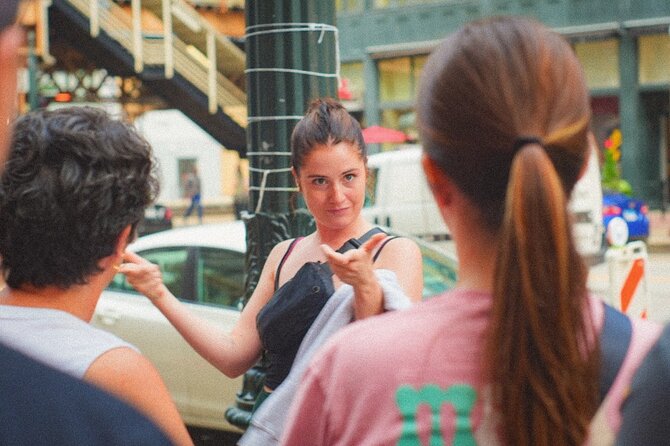
The route is fixed, but the personality of the guide can change the whole outing. Alan is praised for being personable and fun. Ty is noted for strong storytelling. Avery brings enthusiasm and has taken photos for people on the tour. Kris is described as entertaining and well informed, while Matthew is praised for extensive Chicago knowledge and vivid ghost stories. Karina is noted for humor and helping with photographs.
I would pay close attention to this pattern. The best part of the experience is not the bus itself. It is the guide’s ability to explain a location, add a little humor, and move between hard history and ghost lore without losing the group.
You may also receive restaurant suggestions during the ride. That can be useful because the tour ends in a central part of Chicago with plenty of places to eat, though no specific restaurant recommendation is guaranteed.
The guide and licensed driver work as a team. You get a narrated route without needing to watch traffic, find parking, or keep checking a map. That is a real advantage in a city where downtown driving can be slow and confusing.
Who will get the most from this tour?
I would recommend this experience to you if you want a lively overview of Chicago’s darker history and prefer sitting to walking. It suits first-time visitors who want to cover several downtown locations, couples looking for a slightly spooky activity, families with older children, and anyone who has already spent a full day on foot.
It also works for repeat visitors. One person who had visited Chicago many times still learned new facts, which makes sense because the route focuses on stories that are easy to miss during ordinary sightseeing.
You may want something else if you expect a private small-group tour, extensive time inside each building, or a serious academic study of organized crime. The vehicle may be larger than advertised, and the two-hour schedule means the stops are selective.
The tour is accessible to most participants, service animals are allowed, and it runs near public transportation. It requires good weather, and poor weather can lead to a different date or a full refund.
Is $49 good value?
At $49, I consider this a fair buy if you value a guide and want an efficient downtown overview. The fare covers the minibus tour, expert guide, licensed driver, and admission to the Harry Caray’s stop.
The value improves after a tiring day. You can sit back, rest your feet, and still see a large part of the Loop while hearing stories that would be difficult to piece together on your own.
The value drops if you are mainly paying for a luxury vehicle or a private atmosphere. The mixed reports about the bus mean you should not book solely for premium transportation. Book it for the route and storytelling first.
Free cancellation is available up to 24 hours before the start time. Cancellations made within 24 hours are not refunded, and poor weather may result in a new date or full refund.
Should you book the Chicago Gangsters and Ghosts tour?
Book this tour if you want two hours of stories, city views, and practical sightseeing without spending the whole afternoon walking. The strongest reasons are the Frank Nitti vault, the mix of gangster and ghost material, the Chicago River views, and guides who bring energy to the ride.
I would skip it if you need a guaranteed luxury minibus, a tiny group, or long interior visits. Confirm the vehicle if that detail matters to you.
For most visitors, $49 is a sensible price for a compact introduction to Chicago’s darker side. Go in expecting a fast-moving narrated tour with selected stops, not a private investigation or a full museum experience.
FAQ
How long does the Chicago Gangsters and Ghosts tour last?
The tour lasts approximately two hours.
How much does the tour cost?
The listed price is $49.
Where does the tour begin?
It starts at the Palmer House Hilton, 17 East Monroe Street, Chicago, Illinois 60603.
Where does the tour end?
The activity ends back at the Palmer House meeting point.
Is the Harry Caray’s Italian Steakhouse visit included?
Yes. Admission to the Harry Caray’s stop is included, and the visit lasts about 15 minutes.
Will I see Frank Nitti’s vault?
Yes. The Harry Caray’s stop includes a look at Frank Nitti’s secret vault.
What locations are covered?
The route includes Holy Name Cathedral, Harry Caray’s Italian Steakhouse, the Chicago River, the Chicago Theatre, Death Alley, the Art Institute of Chicago, the Congress Hotel, and the Jeweler’s Building.
Is the tour available with a mobile ticket?
Yes. The tour offers a mobile ticket.
Can I cancel for a full refund?
Yes, if you cancel at least 24 hours before the experience start time. Cancellations or changes made less than 24 hours in advance are not refunded or accepted.
Freshly reviewed haunts around Chicago
- Prairie Avenue Haunted History Tour and Ghost Hunt★ 5.0 · 11 reviews
- Embers of the Windy City: Chilling Chicago Ghost Tours★ 4.5 · 121 reviews
- Ghosts of Chicago Family Friendly Ghost Tour★ 4.0 · 12 reviews
- Haunted Ghosts & The Chicago Outfit Segway Tour★ 4.5 · 38 reviews
- Lincoln Park Hauntings Ghost Investigation Tour★ 5.0 · 43 reviews
- Haunted Chicago Exploration Game and Tour★ 4.0 · 6 reviews
- Chicago Hauntings Original Ghost Bus Tour★ 4.0 · 147 reviews
- Chicago Ghosts & Haunted History Walking Tour★ 5.0 · 11 reviews
Chicago Ghost Tours, compared.

Haunted Chicago Booze and Boos Ghost Walking Tour
Read our review →
Embers of the Windy City: Chilling Chicago Ghost Tours
Read our review →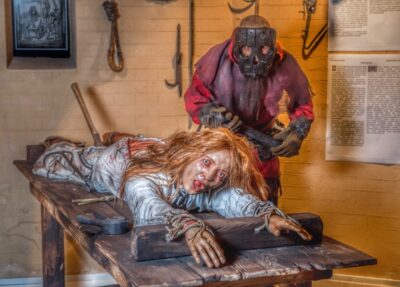
Chicago: Medieval Torture Museum Ticket with Ghost Hunting
Read our review →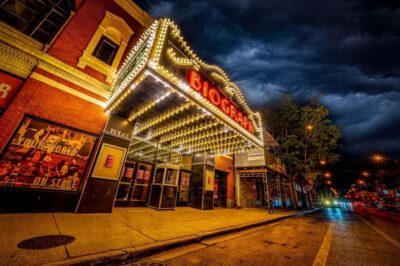
Chicago: Ghosts & Hauntings of the Windy City Walking Tour
Read our review →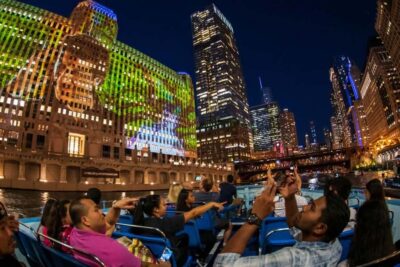
Chicago: Historic Gangsters & Ghosts Night Cruise
Read our review →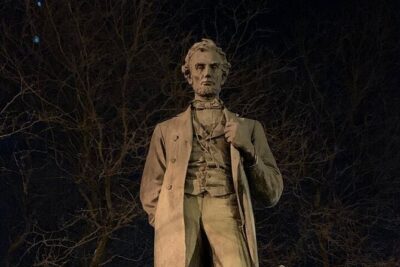
Browse the lists this tour appears in