
Review · CHICAGO
Prairie Avenue Haunted History Tour and Ghost Hunt
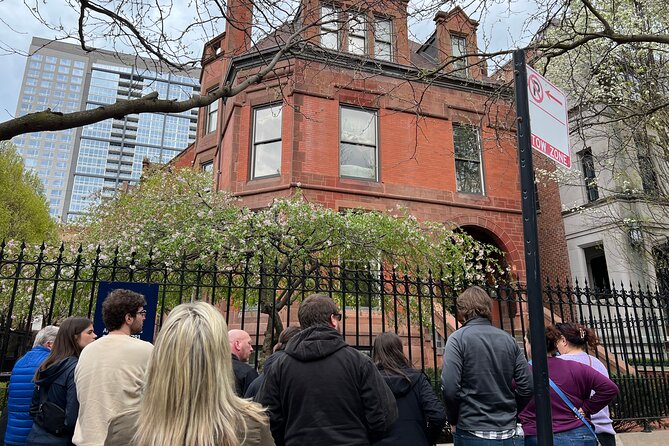
Chicago’s Prairie Avenue was once home to railroad barons, industrialists, architects, and other Gilded Age power brokers. After dark, its mansions and churches take on a different mood, and this tour mixes their real stories with reported hauntings and hands-on ghost-hunting gear. Tony’s storytelling is a major part of the experience.
I like the way the tour gives you two reasons to walk the neighborhood: you get a useful introduction to Chicago architecture and social history, then a playful attempt at spotting spirits. I also like the manageable $40 price, especially since the route covers several important sites and lasts about two hours and 20 minutes.
The main drawback is practical rather than spooky: you are outside at night, and the tour needs good weather. Wear warmer clothes than you think you need, since several people found the evening cold even while having a good time.
Key points to know before booking
- Tony leads with stories, not just equipment: He explains the people, scandals, and buildings before bringing in the ghost-hunting angle.
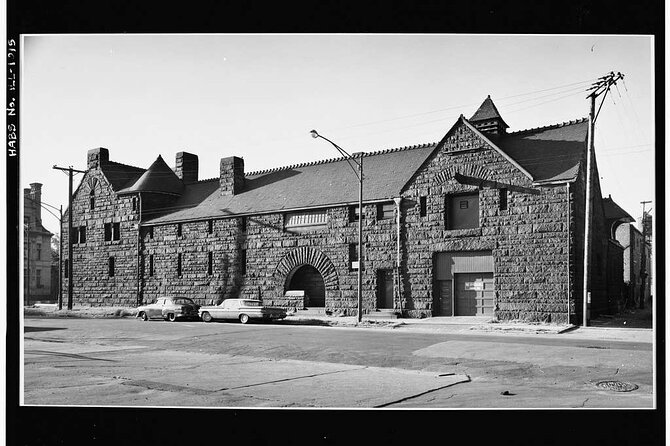
- Five important stops shape the route: You see the Marshall Field Jr. Mansion, Clarke House, Keith House, Second Presbyterian Church, and the wider Prairie Avenue Historic District.
- The final hour covers the neighborhood’s larger story: Expect more than isolated ghost tales, including figures such as George Pullman and architect Henry Ives Cobb.
- The tour begins and ends at Glessner House: Meet at 1800 South Prairie Avenue at 8 pm, then return to the same point.
- You walk outside after dark: Good shoes and warm layers matter, especially in cooler weather.
- The group can reach 25 people: That is small enough for a tour atmosphere, though it may not feel private.
Why Prairie Avenue makes a good ghost tour setting
Prairie Avenue is not a row of spooky ruins. It is a historic city neighborhood shaped by wealth, ambition, architecture, and scandal. That contrast gives the tour its appeal. You are looking at handsome homes and a landmark church while hearing about the people who built Chicago’s upper crust and the stories that linger around them.
The avenue began as an Indian trail and later became one of Chicago’s most prestigious addresses. In the 19th century, wealthy residents wanted grand homes close to the city’s business center. Their houses reflected status, taste, and sometimes plain old competition.
That background matters because the ghost stories work best when attached to real people and places. You are not simply walking from one dark corner to another. You are learning who lived there, what they wanted, and why their lives became part of local lore.
Tony’s role is important. His presentation combines architectural details, neighborhood history, scandals, and supernatural stories. He also welcomes questions, so you can steer parts of the conversation toward architecture, Chicago personalities, or the ghost-hunting equipment.
More Ghost Hunts in Chicago:
- Medieval Torture Museum Ticket with Audio Guide and Ghost Hunting
★ 5.0 · 962 reviews - Chicago: Medieval Torture Museum Ticket with Ghost Hunting
★ 4.7 · 96 reviews - Medieval Torture Museum with Ghost Hunting and Tiny Art Gallery
★ 5.0 · 2,011 reviews
Starting at Glessner House at 8 pm
The tour starts in front of Glessner House, at 1800 South Prairie Avenue. This gives you a clear meeting point and puts you immediately in the Prairie Avenue Historic District rather than spending the first part of the evening getting there.
Starting at 8 pm suits the subject. Darkness changes the way you read the buildings, and the quieter streets help create the right mood. Still, this is a walking tour in a city neighborhood, not a staged haunted attraction. The atmosphere comes from the setting, the stories, and your imagination.
The route lasts about two hours and 20 minutes. That is long enough for five substantial stops without turning the evening into a quick photo walk. You should expect to spend the full time outside and moving between locations, with time at each stop for explanation and ghost-hunting attempts.
The group limit is 25 people. That keeps the outing from becoming a huge procession, although it is not a private tour. If you like asking questions, stay close enough to hear Tony clearly, particularly during the longer Prairie Avenue portion.
Marshall Field Jr. Mansion and the scandals of wealth
The first stop is the Marshall Field Jr. Mansion, where you hear about the home’s scandals and ghost stories. The name connects the house to one of Chicago’s best-known wealthy families, and the stop sets the tone for the rest of the evening.
This is a good opening because it introduces the social world behind Prairie Avenue. The tour is not only about old buildings. It is also about money, reputation, family drama, and the pressure that came with living in public view.
You will not receive an admission ticket to an interior attraction here. The focus is the exterior, the history tied to the property, and the stories Tony tells on site. Allow about 20 minutes. That pace gives you enough time to take in the building and follow the narrative without lingering so long that the tour loses momentum.
If you are hoping to enter a mansion and inspect rooms, set your expectations carefully. The appeal is the connection between place and story, not an indoor house visit.
Clarke House and Chicago’s oldest building
Next comes the Henry B. Clarke House, a Greek Revival-style building described as Chicago’s oldest building. The tour uses the house to explore both architectural history and a more troubled side of Chicago’s past.
The Greek Revival design gives you something specific to look at. You can compare its formal style with the later mansions along Prairie Avenue and see how the district changed as Chicago grew wealthier and more ambitious.
The stories here concern the house’s sordid history, which fits the tour’s blend of fact and folklore. Tony’s strength is explaining the context before turning to the haunting material. That approach helps you understand why the building matters even if you are skeptical about ghosts.
This stop also lasts about 20 minutes. As with the Marshall Field Jr. Mansion, you should expect an exterior visit rather than a scheduled museum tour inside the house. The Clarke House Museum is part of the story, but the evening walk does not promise interior access.
Ghost walks heavy on history around Chicago:
- Chicago: Historic Gangsters & Ghosts Night Cruise
★ 3.9 · 45 reviews - Chicago Ghosts & Haunted History Walking Tour
★ 5.0 · 11 reviews - Savannah History and Haunts Candlelit Ghost Walking Tour
★ 5.0 · 3,235 reviews - Stockholm: Ghost Walk and Historical Tour
★ 4.7 · 2,685 reviews
The Keith House and the Prairie Avenue mansions
The Keith House is the third stop. This distinct 1870s mansion sits in the middle of the Prairie Avenue Historic District and gives you another example of the neighborhood’s residential architecture.
By this point, the tour has established a useful rhythm. You visit a building, hear about its owners and past, then consider the supernatural stories tied to it. The Keith House helps show that Prairie Avenue was not defined by one famous family or one grand residence. It was a district filled with ambitious homes and powerful residents.
The stop lasts about 20 minutes. Bring your attention to the building’s outward character and the way it fits among the surrounding streets. Since the tour takes place after dark, you may not see every architectural detail as clearly as you would during the day. In exchange, you get a moodier view of the homes and a better setting for the ghost stories.
This is one reason the tour works best for people who enjoy both history and atmosphere. If you only want a detailed daytime architecture walk, the nighttime format may feel limited. If you like hearing the human stories behind the facades, it adds another layer.
Second Presbyterian Church after dark
The fourth stop is the Second Presbyterian Church of Chicago, a Gothic Revival landmark. Here, the focus shifts from private mansion life to a place of worship and its haunted history.
The change in setting keeps the route from feeling repetitive. You have already seen homes linked to wealthy families. The church brings in another kind of community history, along with a different architectural style. Gothic Revival buildings can be especially effective at night, with pointed forms and shadowed details that suit the subject without needing theatrical effects.
Tony explains the church’s haunted history during another roughly 20-minute stop. You should expect to remain outside and listen rather than enter for a formal church visit. The value comes from seeing the building in its neighborhood setting and hearing how local stories have gathered around it.
This stop may appeal even to people who are less interested in ghost hunting. The church gives you a clear architectural landmark and helps broaden the tour beyond celebrity residents and mansion scandals.
The final hour on Prairie Avenue
The longest part of the evening covers the Prairie Avenue Historic District itself. Allow about an hour for this section. It ties the separate stops together and gives you the broader story of the avenue, from its early use as an Indian trail to its rise as a home for Chicago’s 19th-century wealthy elite.
This is where the tour offers its strongest historical value. You hear about figures such as George Pullman, whose name is tied to the famous railroad sleeping car, and architect Henry Ives Cobb, associated with the design of the Newberry Library. These stories help explain how Chicago’s business, transportation, and architectural worlds overlapped.
The route also deals with Victorian personalities, their scandals, and the ghost stories connected to them. Tony’s storytelling is central here. The longer time allows him to answer questions and move beyond a simple list of names and dates.
You should not expect every minute of this hour to involve active ghost hunting. Much of it is neighborhood history and storytelling, with the equipment and supernatural angle woven into the walk. That balance is a good thing. It gives the tour substance for people who want more than a scare, while still giving paranormal fans a reason to bring their curiosity.
What the ghost-hunting equipment adds
The tour provides ghost-hunting gear for you to use along the route. This makes the outing more interactive than a standard history walk. Instead of only listening to stories, you get a chance to test the atmosphere at the stops yourself.
Keep the tone in mind. The equipment is a playful part of the evening, not proof that every unusual reading is supernatural. You may find it entertaining, creepy, or simply a good way to involve the group. The fun comes from taking part and seeing how the stories affect your attention to the buildings.
The gear also helps break up long stretches of explanation. After hearing about a house or church, you have something to do while considering the story. That is useful for families with older children, couples looking for an unusual date night, and anyone who enjoys a little participation with their history.
The tour’s strongest praise centers on this combination of storytelling and equipment. Tony is described as enthusiastic, entertaining, and open to questions, with a strong command of the neighborhood’s past. For this experience, the guide matters more than fancy effects, and Tony’s part of the evening appears to be its main strength.
Is $40 a fair price?
At $40 per person, the tour sits in a reasonable range for a two-hour-20-minute guided evening walk with equipment and a group cap of 25. You are paying for Tony’s preparation, the route, the storytelling, and the chance to explore several historic sites after dark.
The value is strongest if you want both history and ghost stories. A short haunted walk might cost less, but it would not give you as much time with the Prairie Avenue district or as much context about its residents and architecture. On the other hand, this is not a bargain if your main goal is to tour mansion interiors, since the listed stops are outdoor visits and admission is not part of the experience.
I would consider the price fair for a first introduction to Prairie Avenue, especially if you are already interested in Chicago architecture or Gilded Age personalities. The tour also suits repeat visitors who want a different angle on the city after seeing its major downtown sights.
How to prepare for the evening
Wear warm layers. Several people found the tour cold, even though they enjoyed the experience. Chicago evenings can change quickly, and standing still while listening may feel colder than walking.
Comfortable shoes are also important. The tour takes place on foot and lasts more than two hours. You should be ready to walk between stops and remain outdoors while Tony explains each location.
The mobile ticket makes arrival simple. Meet at Glessner House shortly before the 8 pm start, and remember that the tour returns to the same meeting point. Since the experience depends on good weather, check for updates before setting out. If poor weather cancels the tour, you are offered another date or a full refund.
The booking terms are strict in other cases. The experience is non-refundable and cannot be changed for personal reasons after booking, so choose your date carefully.
Service animals are allowed, and the tour is near public transportation. Most people can participate, but the evening walking format may not suit anyone who finds extended outdoor walking difficult.
Who will enjoy this tour most?
I would choose this tour if you like local history presented through people and stories rather than a formal lecture. It is a good fit for couples, friends, Chicago residents who want to learn more about Prairie Avenue, and visitors who have already seen the central downtown attractions.
It also suits people who enjoy a mild supernatural theme without needing a full horror production. The ghosts are part of the storytelling, while the mansions, church, and historic figures provide the substance.
Families should consider the late start and the two-hour-20-minute length. The tour is not described as a children’s attraction, so the best fit is older children or teenagers who can handle a nighttime walk and enjoy the subject.
You may want to skip it if you need indoor shelter, dislike group tours, or want guaranteed access inside historic homes. You should also avoid booking if you are looking for a fast, heavily theatrical scare experience. This is a neighborhood history walk with ghost-hunting elements, not a haunted house.
Should you book the Prairie Avenue Haunted History Tour?
Book it if you want a well-rounded evening that connects Chicago’s wealthy past, striking architecture, scandals, and ghost stories. The strongest reasons are Tony’s engaging storytelling, the unusual route, and the chance to use ghost-hunting equipment rather than only hear spooky tales.
Go prepared for cold weather, outdoor walking, and a mix of fact and folklore. At $40, it offers solid value for someone who wants a focused introduction to Prairie Avenue and a playful supernatural angle. If that combination sounds better than a standard sightseeing walk, this is an easy tour to add to a Chicago evening.
FAQ
Where does the tour begin?
The tour begins in front of Glessner House at 1800 South Prairie Avenue, Chicago, Illinois 60616.
What time does the tour start?
The tour starts at 8 pm.
How long does the experience last?
The tour lasts approximately two hours and 20 minutes.
Where does the tour end?
The activity ends back at the Glessner House meeting point.
How many people can join the tour?
The maximum group size is 25 people.
What happens if bad weather cancels the tour?
Because the experience requires good weather, a cancellation caused by poor weather gives you the choice of another date or a full refund.
Freshly reviewed haunts around Chicago
- Embers of the Windy City: Chilling Chicago Ghost Tours★ 4.5 · 121 reviews
- Lincoln Park Hauntings Ghost Investigation Tour★ 5.0 · 43 reviews
- Ghosts of Chicago Family Friendly Ghost Tour★ 4.0 · 12 reviews
- Haunted Ghosts & The Chicago Outfit Segway Tour★ 4.5 · 38 reviews
- Chicago Hauntings Original Ghost Bus Tour★ 4.0 · 147 reviews
- Haunted Chicago Exploration Game and Tour★ 4.0 · 6 reviews
- Chicago Ghosts & Haunted History Walking Tour★ 5.0 · 11 reviews
- Chicago Gangsters and Ghosts Luxury Minibus Tour★ 5.0 · 33 reviews
Chicago Ghost Tours, compared.
Haunted Chicago Booze and Boos Ghost Walking Tour
Read our review →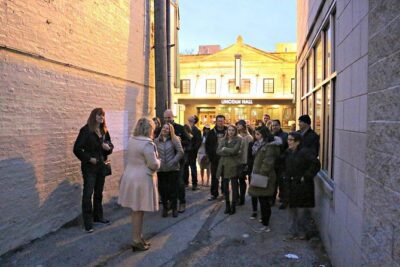
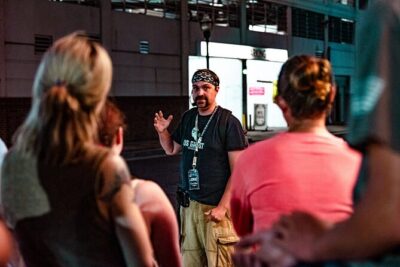
Embers of the Windy City: Chilling Chicago Ghost Tours
Read our review →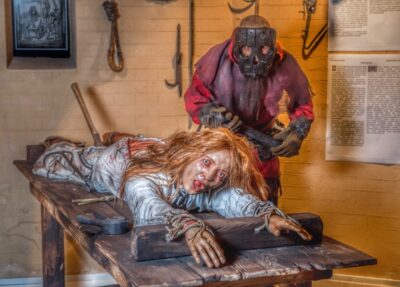
Chicago: Medieval Torture Museum Ticket with Ghost Hunting
Read our review →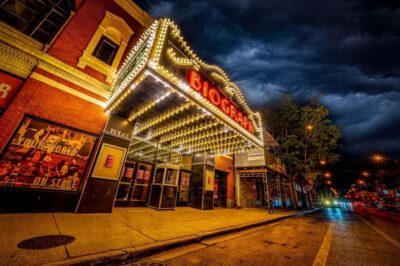
Chicago: Ghosts & Hauntings of the Windy City Walking Tour
Read our review →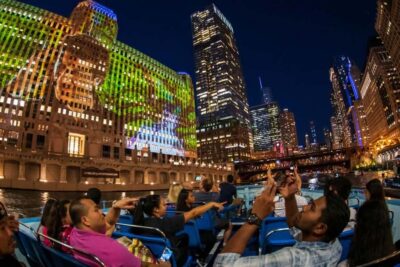
Chicago: Historic Gangsters & Ghosts Night Cruise
Read our review →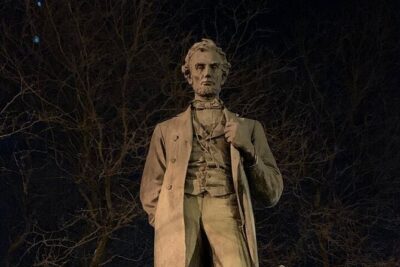
Browse the lists this tour appears in