
Review · LONDON
London: Jack The Ripper Walking Tour
Jack the Ripper’s story becomes more unsettling when you leave the museum display behind and walk through Whitechapel’s real streets. This 150-minute tour links crime scenes, Victorian social history, and the still-unanswered question of the killer’s identity, finishing at the Ten Bells pub, one of the area’s best-known Ripper locations.
I like two things here. The guides place the five victims at the center instead of turning their deaths into a ghost story, and the route adds useful East End context through Spitalfields, Petticoat Lane, and Brick Lane. The main drawback is practical: you spend the entire tour outdoors, so cold rain can make the long walk hard, and the dark subject matter is not suited to young children.
Key points to know before you go
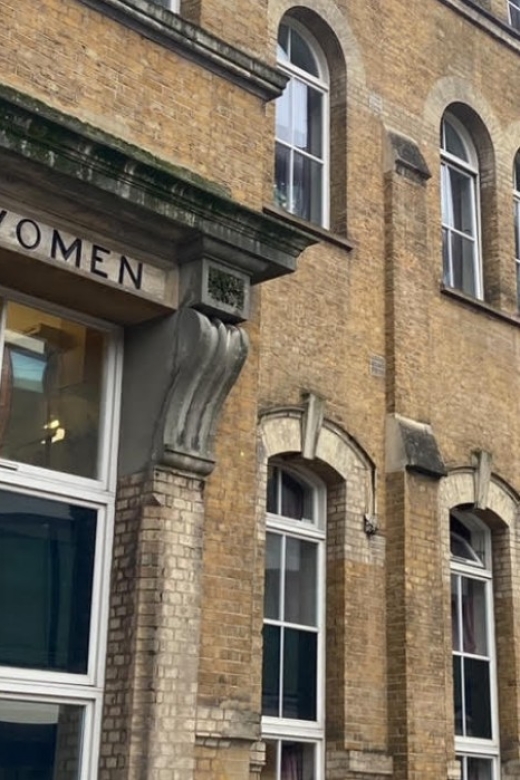
- The victims receive serious attention: The tour treats the canonical five as real women with lives, not just names in a murder mystery.
- The walk covers real locations: Mitre Square, Whitechapel, Petticoat Lane, Spitalfields, and the Ten Bells all form part of the route.
- Guides bring different strengths: Carolina is clear and engaging, while Eric and Adam are noted for strong factual knowledge and enthusiasm.
- Expect mature subject matter: Murder, prostitution, and graphic elements are part of the story, with ages 14 and older recommended.
- Plan for the weather: The whole 150 minutes take place on foot and outside, with no built-in pub stops during the walk.
- The price is reasonable: At $18 per person, you pay less than many central London attractions for two and a half hours of guided local history.
Starting at Aldgate Station
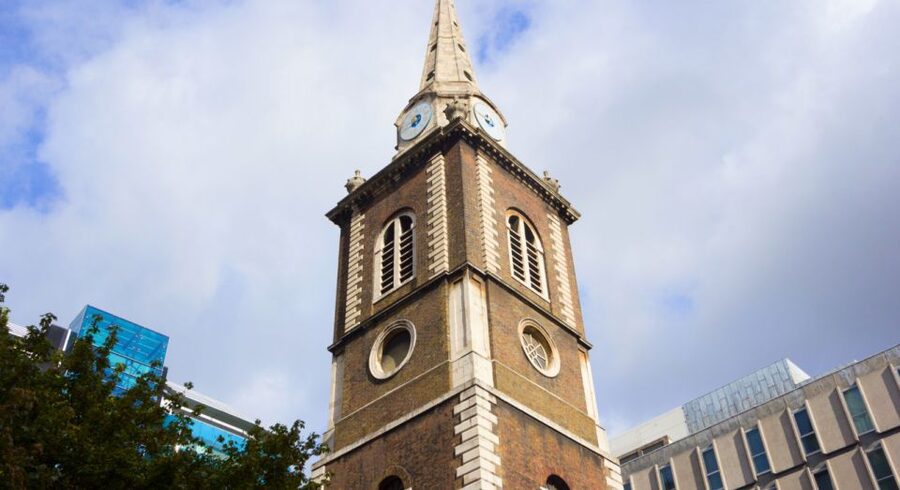
Your meeting point is easy to reach, but London’s similar station names make one detail important. Go to Aldgate Station, not Aldgate East Station. Meet beside Hotel Saint at 9 Aldgate High Street, EC3N 1AH, where your guide will be holding a yellow umbrella.
This is a useful starting point for the story. Aldgate places you at the edge of the old City and the East End, a fitting boundary for a tour about poverty, crowded streets, policing, and the sharp divide between wealthy London and its struggling districts.
Arrive ready to walk. Large bags and luggage are not allowed, and the route has no promise of indoor shelter. I would wear waterproof shoes, bring a rain jacket, and dress more warmly than you think you need. London can feel raw after sunset, particularly when you stop to listen rather than keep moving.
The guide speaks English, and the tour has a live guide rather than an audio recording. That matters here. The route passes modern streets and changing buildings, so the guide has to explain what has disappeared, what remains, and how each location fits the case.
More Ghost Walking Tours in London
- London: The Original Jack the Ripper Walking Tour
★ 4.7 · 7,833 reviews - London Jack The Ripper Guided Walking Tour
★ 5.0 · 3,131 reviews - London: Jack the Ripper Evening Walking Tour
★ 4.9 · 1,449 reviews
Whitechapel and the human story
Whitechapel is not simply a backdrop for a famous killer. The area helps explain the lives of the women who became known as the canonical five, as well as the conditions that shaped the investigation.
The strongest part of this tour is its attention to the victims. Guides such as Eric and Carolina are described as presenting them as people rather than props in a spooky tale. That choice changes the tone. You still hear about murder and prostitution, but the focus stays on the human cost and on the difficult lives of women in Victorian East London.
You should expect mature details. The tour does not soften the subject for children, and the guide will not change the material because younger people are present. Ages 14 and older are recommended, though parents or guardians must decide what suits their children.
The social background gives the crimes more meaning. You hear about life in the East End, the role of poverty, and the conditions faced by working women. This is one reason the tour offers more than a list of murders. It connects the case to the city around it.
Mitre Square and the evidence
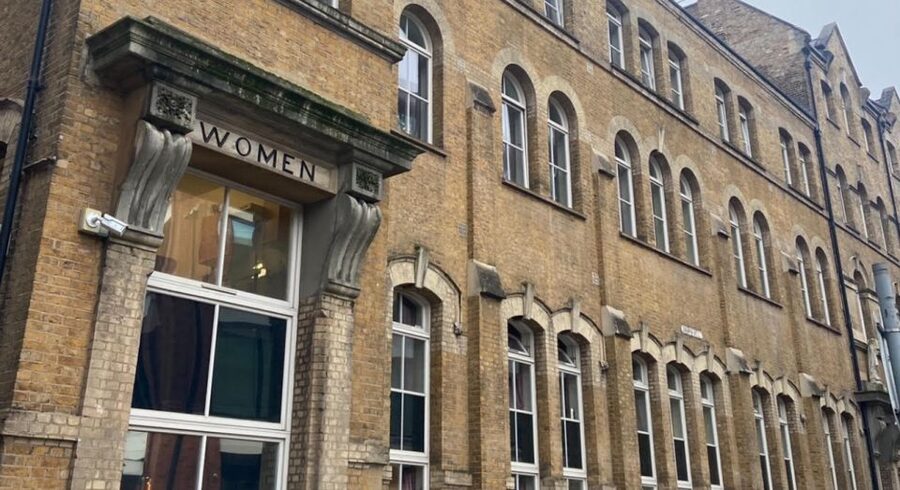
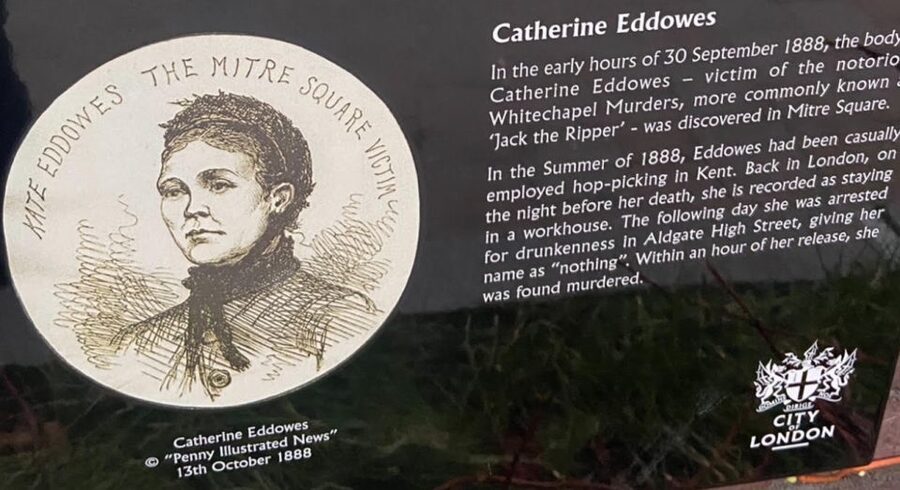
Mitre Square is one of the major stops. It is tied to one of the murders and gives the guide a place to explain the scene, the evidence, and the police response.
The appeal of visiting a real location is not that the modern view looks frozen in 1888. It does not. Streets change, buildings are replaced, and the city continues its daily business. The value is in standing in the same general setting while the guide explains what happened and how investigators understood it at the time.
This is also where the question of identity becomes more interesting. Instead of presenting one suspect as proven fact, the tour examines theories, clues, and evidence connected to the case. You may hear why certain names became popular and why the evidence remains uncertain.
That fact-based approach is important. The case has attracted sensational claims for generations, but the tour is at its best when it separates established information from later speculation. Eric’s approach, in particular, has been praised for building a picture of Victorian London from facts rather than treating Jack the Ripper as a supernatural character.
Petticoat Lane and the changing East End
Petticoat Lane adds a wider view of the neighborhood. This part of the route helps you see the East End as a working district with its own trade, movement, and local identity, not just a collection of crime scenes.
The tour uses nearby landmarks to fill in the setting around the murders. That is helpful because the case can otherwise feel like a chain of isolated alleys. Here, you get a sense of how the streets connected and how people moved through the area.
Do not expect every stop to look exactly as it did in the nineteenth century. The experience depends on the guide’s explanation, not on preserved crime scenes. One criticism raised about a rainy outing was that some stopping places felt only loosely connected to the subject. That is worth keeping in mind. The route is historical and interpretive, not a perfectly preserved film set.
The guide’s delivery matters greatly at these stops. Carolina has been praised for clear volume and sharp storytelling, which helps in a busy city environment. You need to hear dates, names, and evidence, and a guide who speaks clearly can make the difference between following the case and losing the thread.
More Ghost Walking Tours in the UK
- London: Ghost Walk and River Thames Boat Ride
★ 4.5 · 1,251 reviews - London Jack The Ripper Small-Group Walking Tour
★ 5.0 · 1,013 reviews - Ghastly Ghost Walking Tour in London
★ 5.0 · 878 reviews - London: Ghastly Ghosts 2-Hour Walking Tour
★ 4.9 · 794 reviews
Spitalfields and Old Spitalfields Market
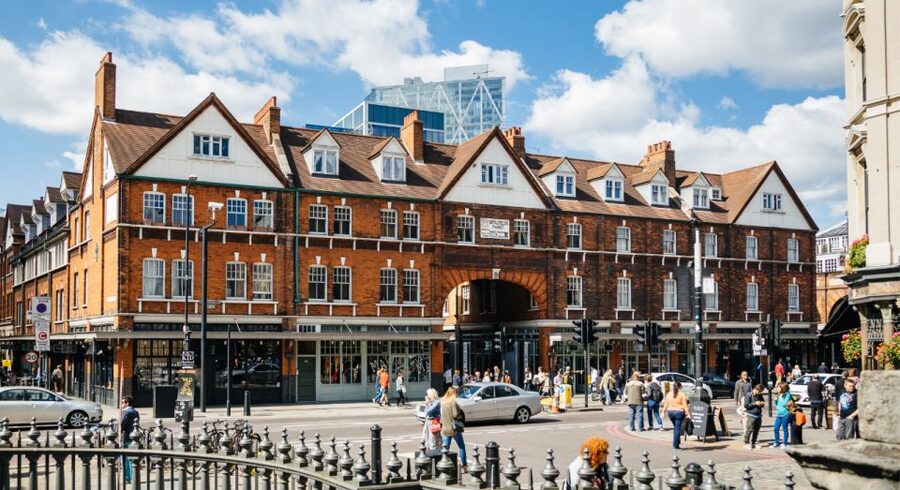
Spitalfields brings the tour into one of the East End’s best-known areas. Old Spitalfields Market gives you a strong contrast between the Victorian world being discussed and the modern London around you.
This is one of the more useful stops for visitors who want to see more than murder sites. The market and surrounding streets help place the Ripper story within the larger development of East London. You can connect the tour with your own exploring before or after the walk, since Spitalfields offers plenty to see beyond the route.
The modern setting can also soften the atmosphere. This is not a nonstop fright walk through dark alleys. It is a guided history tour through an active part of London, with busy streets, shops, food, and everyday city life around the subject.
That contrast is valuable. It reminds you that the murders happened in a living neighborhood, not in a theatrical horror setting. The best guides use the present-day streets to explain the past without pretending that modern London has been untouched.
Brick Lane and the wider London story
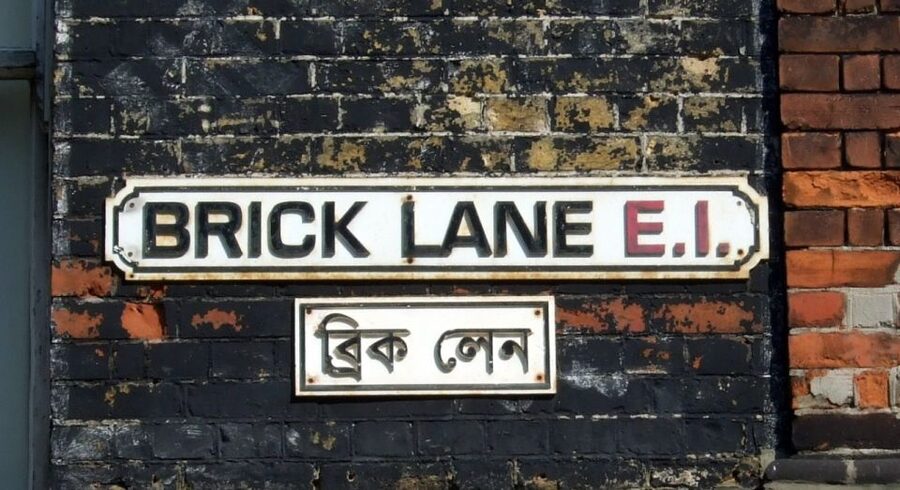
Brick Lane is another stop where the tour widens its focus. It is a useful place to discuss the character of the East End and the layers of London life that followed the Victorian period.
You should not book this tour expecting a full Brick Lane food or street-art walk. The street appears as part of the Ripper route, so the emphasis remains on history and location. Still, it gives you a reason to notice an area you might otherwise visit only for restaurants, markets, or murals.
This mix of familiar landmarks and darker history gives the walk a practical bonus. You are not spending two and a half hours circling only one narrow point. The route shows you several connected areas, and you can return to Spitalfields or Brick Lane later with a better sense of the district.
The tone remains serious. The strongest guides avoid making the murders into entertainment and instead explain how the case affected the public, the police, and the reputation of the East End. That approach will suit you if you want context as much as mystery.
Ending at the Ten Bells pub
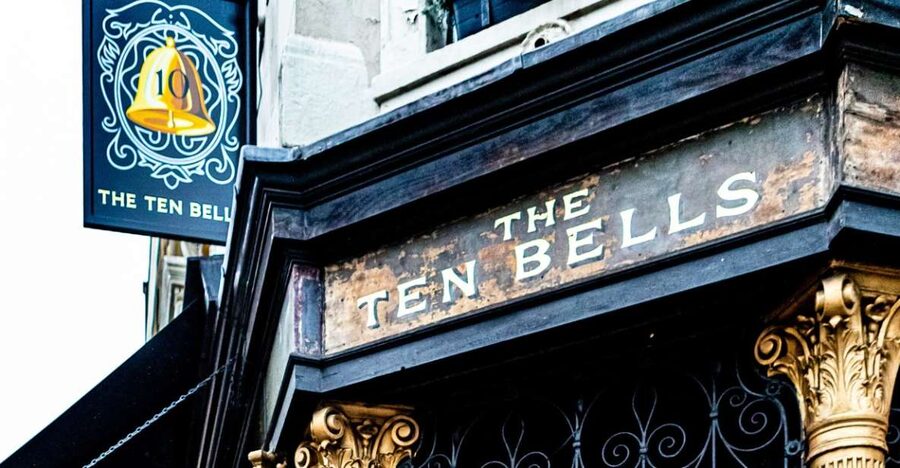
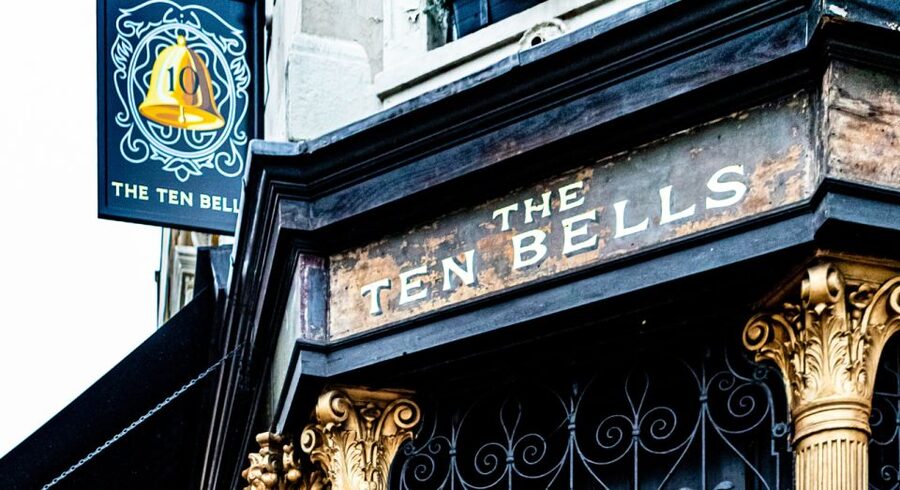
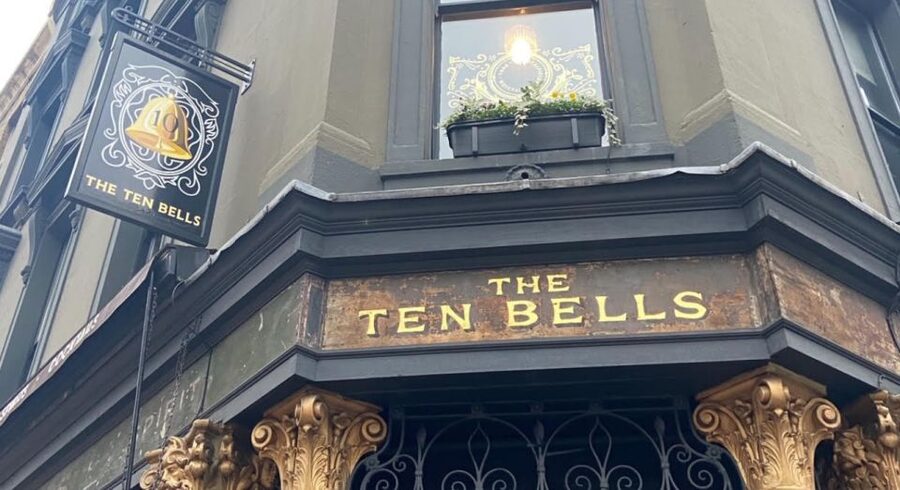
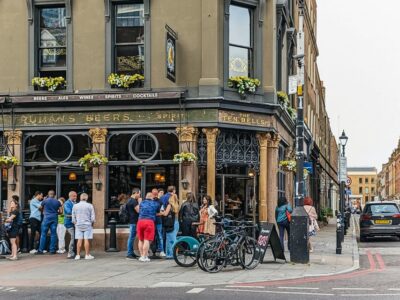
The tour finishes at the Ten Bells in Spitalfields, a pub closely associated with the Jack the Ripper story. This is a natural final stop because it gives you the option of sitting down for a drink after walking through the area.
The drink is not presented as a full included pub session, so plan to pay for anything you order. Still, ending here is a smart touch. You can discuss the suspects, compare theories, and let the subject settle in a more relaxed setting.
The pub also underlines one of the tour’s central problems: the line between history and myth. Places connected with the case have acquired their own legends, and the guide can help you separate what is supported from what has been repeated for effect.
I would not count on the Ten Bells as a weather backup during the tour. The walk remains outdoors for the full 150 minutes, and a previous rainy outing exposed the weakness of having no planned indoor stops. If the forecast is poor, bring serious rain gear and consider booking for another day if you can.
How the guides shape the experience
This tour depends more on the guide than on special effects or preserved buildings. Carolina has received particularly strong praise for her clear speaking voice, engaging delivery, and respect for the five women at the center of the story.
Eric brings a fact-based approach and a strong sense of Victorian London. His style suits people who want social background and careful explanation rather than ghost stories. Adam has also been noted for enthusiasm and a strong grasp of the subject, though his handling of a very cold, wet outing was less successful from a comfort point of view.
You cannot choose a specific guide from the information available, so expect some variation in style. The common thread should be a live English-language presentation built around the crime scenes, the victims, and the evidence.
A good guide will also manage the group well. The city can be noisy, and stops may be exposed to rain, traffic, or other pedestrians. Pay attention to the yellow umbrella at the start and stay close enough to hear the explanation.
Is $18 good value for London?
At $18 per person, this is a fair price for 150 minutes with a live guide. London walking tours can cost more for less time, especially when they focus on a famous subject and cover several central neighborhoods.
The value comes from the combination of three things: access to real locations, a clear route through Whitechapel and Spitalfields, and interpretation that gives the murders social and police context. You are not paying for admission to a major attraction, so the guide’s quality is the key part of what you buy.
I would see it as good value if you already have an interest in the case or enjoy guided city walks. It is less useful if you want a polished indoor attraction, a short sightseeing stop, or a purely entertaining ghost tour.
The flexible booking terms also reduce the risk. You can reserve now and pay later, and cancellation is free up to 24 hours before the start for a full refund. Check the available starting times when booking, since the tour lasts two and a half hours and the actual schedule can affect your day.
Who should book this walk?
I would recommend it to adults and older teenagers who want a serious true-crime tour with a strong London history element. It is especially suited to you if you enjoy walking through neighborhoods and imagining how the city changed rather than simply reading about the case in a museum.
It also works well as an early or middle stop in an East London day. You can explore Spitalfields Market and Brick Lane around the tour, then finish with a drink at the Ten Bells.
I would skip it if you have limited mobility, use a wheelchair, or have a low fitness level. The route is on foot for 150 minutes, and the information provided specifically says it is not suitable for people with mobility impairments or wheelchair users.
I would also think twice about taking children under 14. The subject includes murder and prostitution, and the guide will not reduce the mature material for a younger group.
Should you book the Jack the Ripper walk?
Book it if you want the case treated as social history, not just as a scary London legend. The strongest part is the respectful attention to the victims, supported by guides such as Carolina and Eric who bring clear facts and Victorian context to the streets.
Go prepared for weather, uneven comfort, and a full two and a half hours outdoors. If rain is forecast, wear proper waterproof clothing, and do not expect a pub stop before the final Ten Bells stop.
At $18, the tour offers solid value for a focused look at Whitechapel, Mitre Square, Spitalfields, and Brick Lane. You should choose it for the guide’s storytelling and the chance to connect real places with a famous unsolved case, not for theatrical scares.
FAQ
Where does the Jack the Ripper tour start?
It starts at Aldgate Station beside Hotel Saint, at 9 Aldgate High Street, London, EC3N 1AH. Use Aldgate Station, not Aldgate East Station. Your guide will be holding a yellow umbrella.
Where does the tour finish?
The tour finishes at the Ten Bells pub in Spitalfields.
How long does the walking tour last?
The tour lasts 150 minutes, or two and a half hours.
What language is the tour in?
The live tour guide speaks English.
Is the tour suitable for children?
The tour covers mature themes, including murder and prostitution. Children may attend at a parent or guardian’s discretion, but ages 14 and older are recommended, and the guide will not adjust the material for younger children.
Is the tour suitable for wheelchair users or people with mobility problems?
No. The experience is not suitable for wheelchair users, people with mobility impairments, or people with a low level of fitness.
More Jack the Ripper Tours in London
- London Jack the Ripper Guided Tour with Ripper-Vision
★ 4.5 · 4,840 reviews - London: Jack the Ripper Small Group Tour
★ 4.7 · 3,159 reviews - London: Jack the Ripper Tour with Immersive Ripper Vision
★ 4.5 · 1,840 reviews - German Language : Original Jack the Ripper Tour
★ 4.6 · 1,805 reviews
Freshly reviewed haunts around London
- Ghosts, Gore & Other Ghasty Stories in the City of London★ 5.0 · 7 reviews
- Visit Jack the Ripper in French★ 5.0 · 33 reviews
- The Haunted Pubs of Old London: Small Group Tour★ 5.0 · 38 reviews
- Afternoon Jack the Ripper : Guided Tour★ 5.0 · 183 reviews
- Wicked Whitechapel: Where Now’s Jack The Ripper Audio Tour★ 5.0 · 2 reviews
- The Fading Light London Ghost Walk★ 5.0 · 35 reviews
- The Ghosts of the secret alleyways of old London town★ 5.0 · 2 reviews
- Dark History of the Tudors: Private Tour of Hampton Court Palace★ 5.0 · 10 reviews
London Ghost Tours, compared.
London: The Original Jack the Ripper Walking Tour
Read our review →
London Jack the Ripper Guided Tour with Ripper-Vision
Read our review →
Ghost, Ghouls and Gallows Tour : Guided Tour with Boat Ride
Read our review →
London: Jack the Ripper Tour with Immersive Ripper Vision
Read our review →
German Language : Original Jack the Ripper Tour
Read our review →Browse the lists this tour appears in