
Review · LONDON
French Language : Original Jack the Ripper Tour
The most gripping part of this Jack the Ripper walking tour is the setting. You follow narrow East End streets and real crime locations while your guide reconstructs the fear, poverty, police work, and newspaper frenzy of 1888. The murders remain unsolved, so you are not handed a tidy answer. You weigh the evidence and decide which theory seems least unlikely.
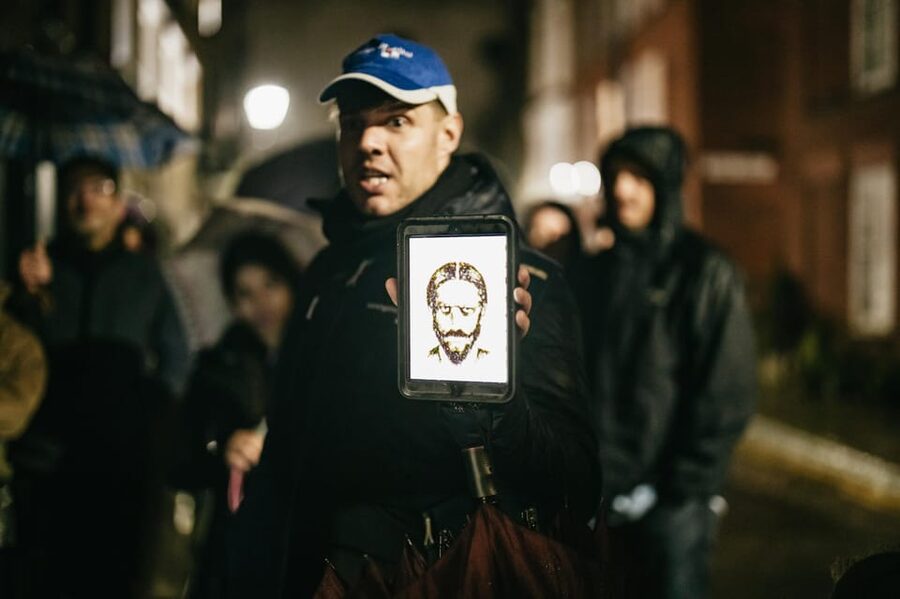
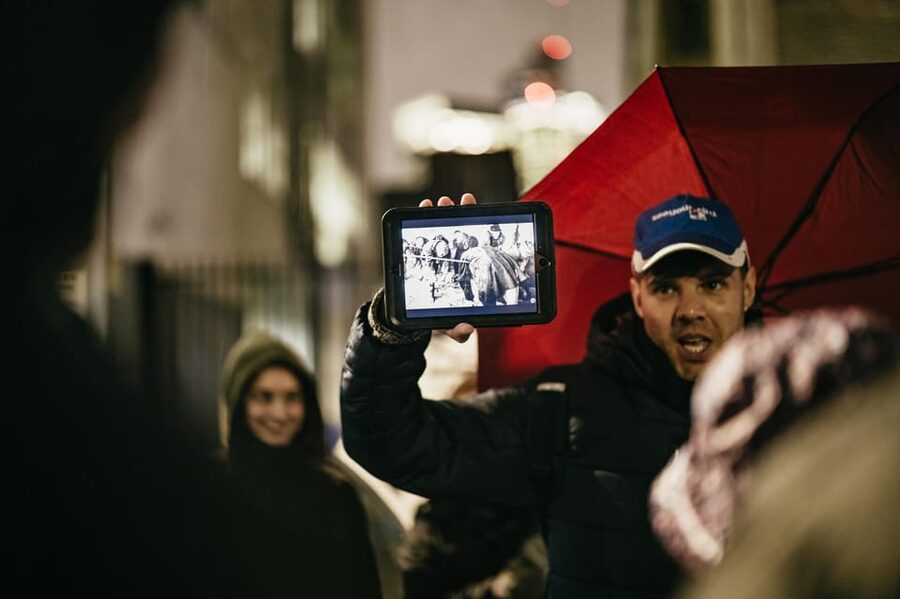
I like the use of photographs and crime-scene clues, which gives the two-hour walk more substance than a simple ghost story. I also like the wider Victorian context, especially the link between Whitechapel and the world that inspired Sherlock Holmes. The main drawback is the graphic subject matter. This tour is not a good fit for young children or anyone who prefers a light history walk.
Key points to know before you go
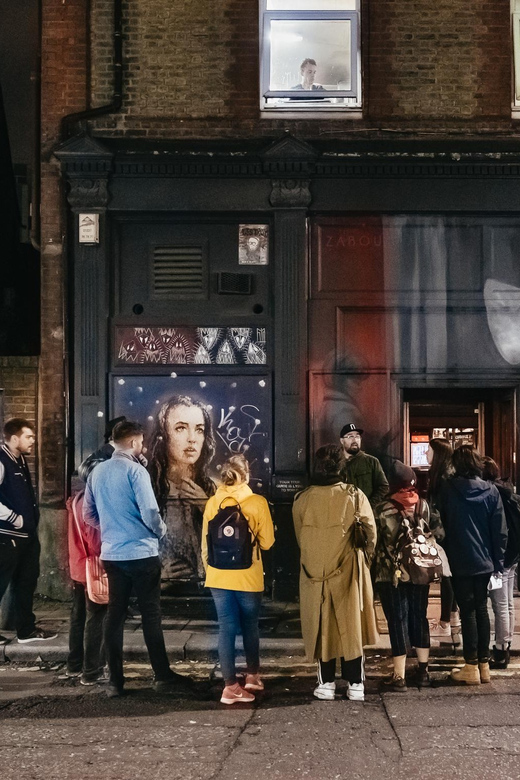
- Real East End locations: The route includes Mitre Square, Brick Lane, Petticoat Lane, Christ Church, and the Ten Bells Pub.
- Strong guide-led storytelling: Guides including Clara, Klairvy, Christophe, and Sina have been praised for clear explanations, vivid narration, and engaging anecdotes.
- More than a murder mystery: You learn about Whitechapel’s poor residents, Victorian society, police work, and the cultural setting behind Sherlock Holmes.
- A compact two-hour route: The walk covers several notable streets and sites without taking up a full day.
- Outdoor and weather-dependent: There are no planned stairs and few inclines, but public paths can be uneven, and the entire activity takes place outside.
- Good value at $24: The price includes the guide and the full walking tour, but not food or drinks.
Why Whitechapel makes such a powerful setting
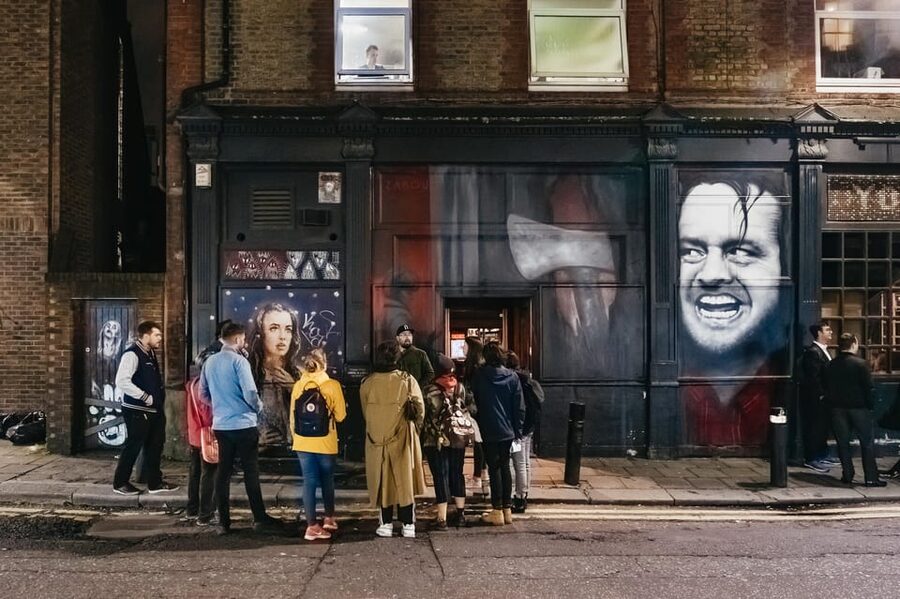
Jack the Ripper tours can easily become cheap shock entertainment. This one has the chance to be better because it places the crimes inside the real life of 19th-century Whitechapel.
In 1888, Whitechapel was an impoverished neighborhood. That detail matters. The victims were not simply names in a mystery puzzle. They lived in a crowded, difficult part of London, and their social position affected how the police, newspapers, and wider public responded to their deaths.
Your guide explains those conditions while leading you through the modern East End. You still see busy streets, shops, markets, and familiar London architecture, but the route asks you to picture the same area before modern transport, lighting, sanitation, and policing changed daily life.
The best part is the tension between what is known and what is not. You hear about the victims, the alleged suspects, and the evidence found during the investigation. You also hear the competing theories about who Jack the Ripper may have been and why Whitechapel became the setting for the crimes.
A good guide keeps the difference between fact and theory clear. Clara, Klairvy, Christophe, and Sina are among the guides associated with particularly strong tours, with the most praise focused on their narration, explanations, and ability to hold attention. Your exact guide will depend on the date and language you choose.
More Jack the Ripper Tours in London:
- London: The Original Jack the Ripper Walking Tour
★ 4.7 · 7,833 reviews - London Jack the Ripper Guided Tour with Ripper-Vision
★ 4.5 · 4,840 reviews - London: Jack the Ripper Small Group Tour
★ 4.7 · 3,159 reviews
Starting at Altab Ali Park
The meeting point is at the west entrance to Altab Ali Park, beside the large iron arch on the corner of White Church Lane and Whitechapel High Street. Look for the guide holding a blue flag.
Aldgate East is the nearest Underground station, making the start fairly easy to reach from central London. Give yourself enough time to find the correct entrance. The park is small, and the meeting point is specifically at the arch rather than somewhere inside the park.
The listed starting location also refers to the St Marys Whitechapel Church Memorial. The important practical instruction is to meet at Altab Ali Park’s west entrance. If you arrive early, you can get your bearings around Whitechapel High Street before the walk begins.
This is an outdoor tour from start to finish. Wear shoes that are comfortable for two hours on city pavements, and bring clothing for the forecast. London weather can change quickly, and there is no indoor section built into the experience.
Whitechapel, victims, and the Victorian city
The first part of the walk sets up the neighborhood and the investigation. Instead of rushing straight to grisly details, the guide puts the murders into their Victorian setting.
You learn about ordinary life in Whitechapel, including the poverty that shaped the area. That background gives the stories more weight and helps explain why some victims were especially vulnerable. It also shows why the crimes caused such fear in London.
The tour deals with graphic details and visual material. That can make the history feel immediate, but it also means you should think carefully before bringing children. Anyone under 18 must be accompanied by an adult.
The guide’s photographs and anecdotes help you compare the present-day streets with the period being discussed. You are not only listening to names and dates. You are asked to examine clues, consider the police response, and think through the claims made about the suspects.
The mystery format works best when you enjoy forming your own opinion. There is no final answer because the identity of Jack the Ripper has never been proven. You may hear why certain suspects remain popular in public culture, but the tour also leaves room for doubt.
Brick Lane and the changing East End
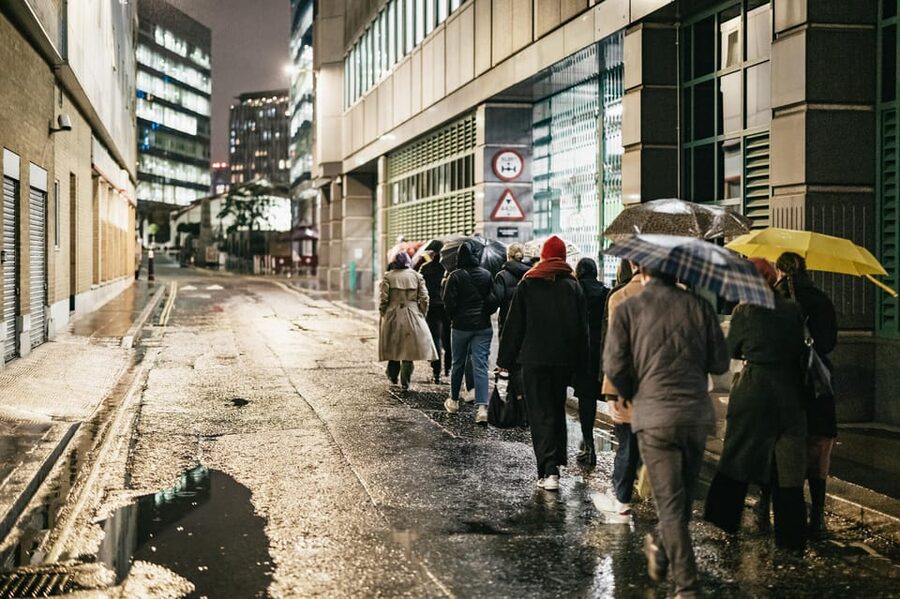
Brick Lane is one of the route’s most recognizable modern streets. It is useful here because it connects the old Whitechapel story with the East End you can see today.
The guide uses the area to discuss the neighborhood around the time of the murders and the way London has changed since then. This is one of the tour’s strengths. You are not looking at an isolated historical display. You are standing in a living part of London, with its old street pattern and later layers of city life around you.
Brick Lane also provides a change of pace during the walk. The subject remains serious, but the setting helps you notice that East London is more than the Ripper story. A visit here is particularly useful if you want to pair the tour with independent time in the area before or after the walk.
The tour does not include food or drinks, so Brick Lane may be a sensible place to plan a separate meal or coffee stop. That is not part of the experience itself, and you should not expect a scheduled break.
Same old streets, another story to hear:
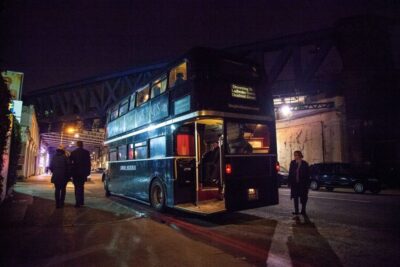
- Ghost, Ghouls and Gallows Tour : Guided Tour with Boat Ride
★ 4.5 · 3,212 reviews - London Jack The Ripper Guided Walking Tour
★ 5.0 · 3,131 reviews - London: Comedy Horror Ghost Tour on a Bus
★ 4.4 · 2,084 reviews - London: Jack the Ripper Tour with Immersive Ripper Vision
★ 4.5 · 1,840 reviews
Christ Church and the Sherlock Holmes connection

Christ Church is another important stop on the route. The supplied route identifies this as Christ Church Chelsea, although the wider walking tour is centered on Whitechapel and Spitalfields. Your guide will explain the exact place and its connection to the route on the day.
The broader Victorian context is one of the more appealing features here. The tour looks beyond the murders to the culture that produced enduring figures such as Sherlock Holmes.
That connection helps explain the period’s appetite for detective stories, clues, suspects, criminal investigation, and shadowy urban characters. Sherlock Holmes was fictional, while Jack the Ripper was a real criminal case, but both belong to the same Victorian fascination with crime and detection.
I like this part because it gives you more than a series of crime scenes. You get a sense of the public mood that made mystery stories so powerful. It also explains why the Ripper case has remained part of popular culture for so long.
Mitre Square and the investigation
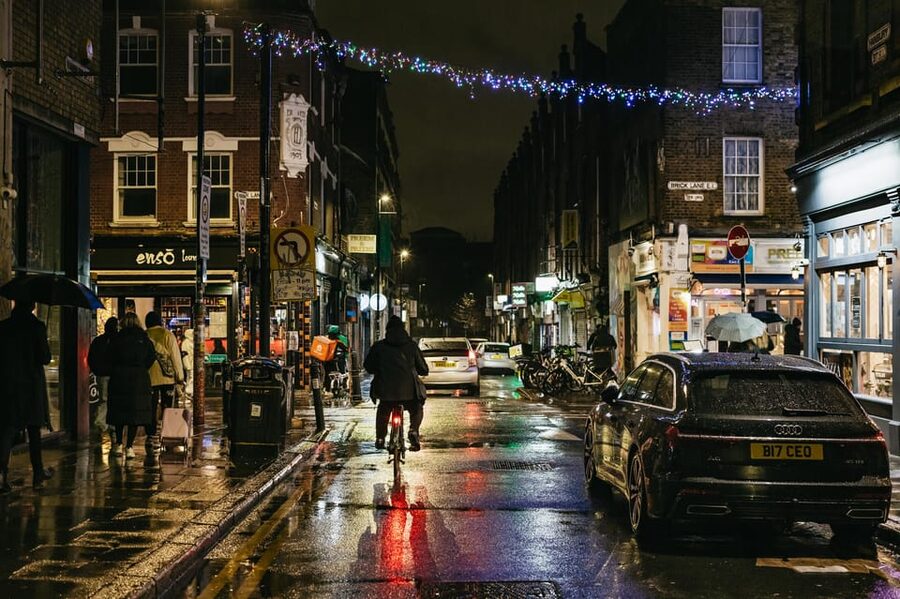
Mitre Square is one of the most important stops because it is presented as a real crime location. Here, the guide focuses on the evidence and the questions that investigators faced.
You examine the available clues and hear where evidence was discovered. The guide also considers whether Jack the Ripper came close to being caught. Those questions give the walk a practical investigative angle rather than treating the case as pure legend.
This is where the photographs become useful. They help you picture the case as a historical investigation, not just a collection of modern stories. You can compare what is documented with what later writers and storytellers have added.
Mitre Square may also be the point where the tour feels darkest. The subject is serious, and some visual material is graphic. If you are sensitive to descriptions of violence, you should know that the tour does not soften the crimes.
Still, the historical value is clear. You hear how the victims, alleged perpetrators, police, and public were linked by the streets around you. The setting makes the unanswered questions feel less abstract.
Spitalfields Market and the Ten Bells Pub
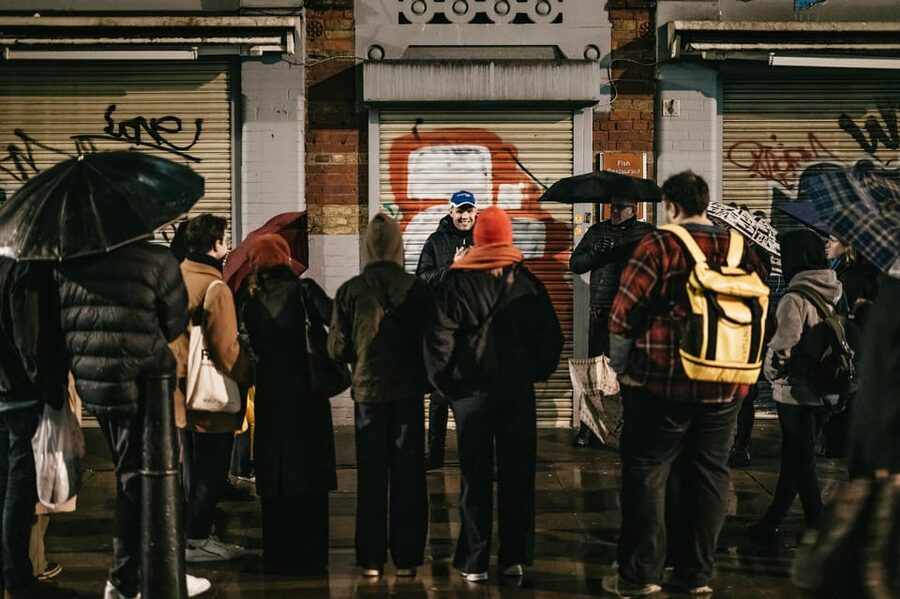
Spitalfields Market gives the tour another recognizable East End landmark. It is an easy place to remember because it combines a major modern destination with the older streets connected to the case.
The guide uses the area to continue the story of Whitechapel and the surrounding neighborhood. You hear about the people who lived and worked here, along with the way the murder investigation affected the public mood.
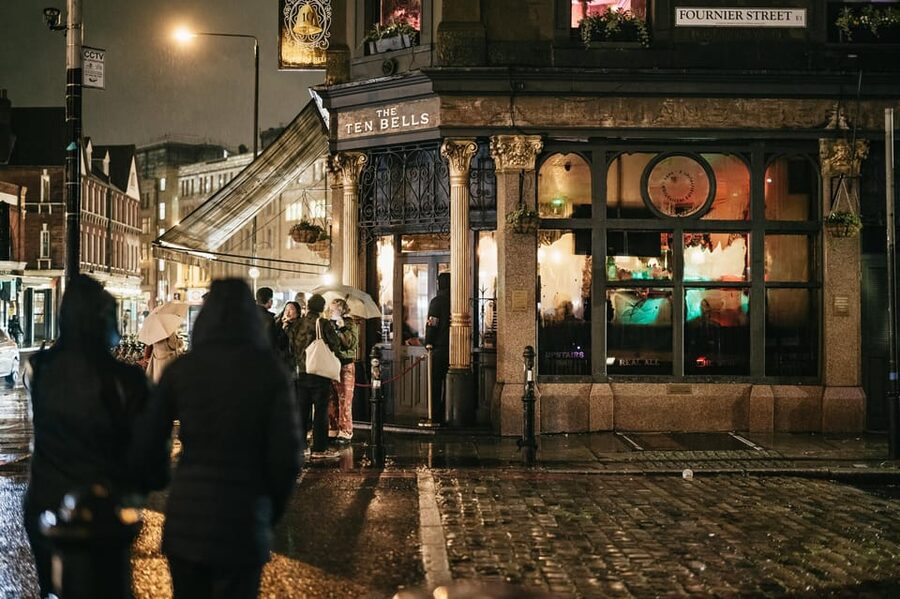
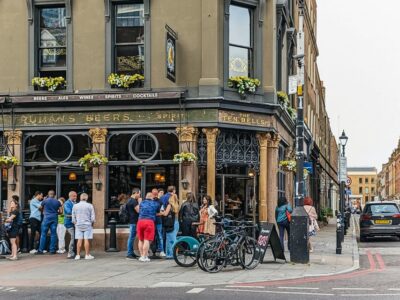
The Ten Bells Pub is one of the route’s best-known names. The walk passes by the pub and finishes at The Ten Bells Spitalfields. That makes the end of the tour straightforward, especially if you want to pause nearby afterward and think over the theories you have heard.
Do not assume that the pub visit includes a drink. Food and drinks are not included, and the experience is a walking tour rather than a pub tour. The stop is valuable because of its historical association and location, not because it provides a scheduled refreshment break.
The finish also leaves you in a useful part of East London. From there, you can continue around Spitalfields or Brick Lane on your own, subject to your plans and opening times.
Petticoat Lane and the wider crime story
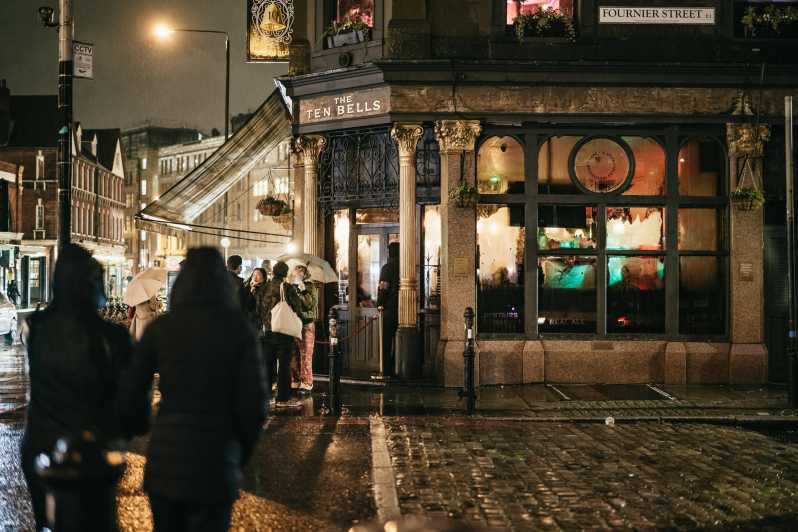
Petticoat Lane is included among the stops and helps broaden the route beyond the best-known Ripper locations. It gives the guide another chance to explain how the East End functioned as a working, crowded part of London.
The value of this stop is less about one famous clue and more about seeing the district as a connected place. The murders did not happen in a vacuum. Streets, markets, pubs, churches, and homes formed the setting for both daily life and the investigation.
This wider view is important if you already know the basic Jack the Ripper story. You are less likely to feel that you are simply ticking off crime scenes. Instead, you begin to understand the neighborhood that made those scenes possible and the social conditions that shaped the case.
Is $24 a fair price?
At $24 per person, this is a reasonable price for a two-hour guided walk in London. The fee includes the Ripperologist guide, which is the central part of the experience. You are paying for interpretation, route planning, historical explanation, and access to a structured story across several East End locations.
The value depends heavily on the guide. A strong guide can turn a familiar subject into a thoughtful history lesson. The feedback connected with this experience gives particular attention to clear explanations, engaging narration, and guides such as Clara, Klairvy, Christophe, and Sina.
You should not expect a private tour at this price, and no group size is specified. If you want complete control over the pace or a quiet visit to each location, a private guide may suit you better.
For most people, though, two hours is a sensible length. It is long enough to cover the major stops and provide context, but short enough to fit beside other London plans. You also avoid paying for a full-day activity when your interest is focused on one district and one historical case.
Who will enjoy this walking tour?
I would choose this tour if you like true crime, Victorian London, urban history, or detective fiction. It is also a good fit if you want to see parts of the East End while learning why the area became famous.
The tour suits visitors who prefer stories tied to real places. You move through Whitechapel, Brick Lane, Mitre Square, Petticoat Lane, and Spitalfields rather than sitting in a museum or watching a staged presentation.
It is less suitable for young children because of the graphic material. It may also disappoint anyone hoping for a definite solution to the case. The guide can present evidence and theories, but nobody can honestly provide a proven identity.
The activity is wheelchair accessible, though the public paths can have varying conditions. There are no stairs and not many inclines, but you should still consider the surface and street conditions. If mobility is a major concern, contact the provider before booking so you can confirm that the current route works for you.
Tours are offered in English, French, Spanish, German, and Italian. That is useful for a subject where timing, names, and small details matter. Choose the language in which you can best follow a fast-moving historical explanation.
Should you book it?
Book this tour if you want a guided look at Whitechapel that combines crime scenes with Victorian social history. The use of photographs, the focus on victims and suspects, and the Sherlock Holmes context give it more depth than a simple walk through spooky locations.
At $24, it offers good value for a focused two-hour activity, especially if you are already planning to visit Brick Lane or Spitalfields. Go prepared for graphic content, changing weather, and an unsolved mystery rather than a neat ending.
If that sounds like your kind of London afternoon, meet at the blue-flagged guide by Altab Ali Park and let the streets supply the atmosphere.
FAQ
How long does the Jack the Ripper tour last?
The walking tour lasts two hours.
Where does the tour begin?
Meet at the west entrance to Altab Ali Park, by the large iron arch on the corner of White Church Lane and Whitechapel High Street.
Which Underground station is nearest?
Aldgate East Station is the nearest Underground station to the meeting point.
How will I recognize the guide?
The guide will be holding a blue flag.
Where does the tour finish?
The tour finishes at The Ten Bells Spitalfields.
Which locations are included?
Stops and passing points include Brick Lane, Christ Church, Spitalfields Market, Mitre Square, Petticoat Lane, and the Ten Bells Pub.
What languages are available?
The tour is available in English, French, Spanish, German, and Italian.
Is the tour suitable for children?
Participants under 18 must be accompanied by an adult. The activity includes graphic details and visual content.
Is the tour wheelchair accessible?
The activity is wheelchair accessible. It has no stairs and few inclines, but public paths can have varying conditions.
Freshly reviewed haunts around London
- Ghosts, Gore & Other Ghasty Stories in the City of London★ 5.0 · 7 reviews
- Visit Jack the Ripper in French★ 5.0 · 33 reviews
- The Haunted Pubs of Old London: Small Group Tour★ 5.0 · 38 reviews
- Afternoon Jack the Ripper : Guided Tour★ 5.0 · 183 reviews
- Wicked Whitechapel: Where Now’s Jack The Ripper Audio Tour★ 5.0 · 2 reviews
- The Fading Light London Ghost Walk★ 5.0 · 35 reviews
- The Ghosts of the secret alleyways of old London town★ 5.0 · 2 reviews
- Dark History of the Tudors: Private Tour of Hampton Court Palace★ 5.0 · 10 reviews
London Ghost Tours, compared.
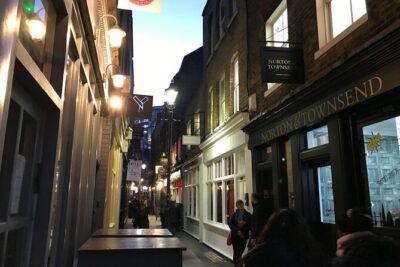
London: The Original Jack the Ripper Walking Tour
Read our review →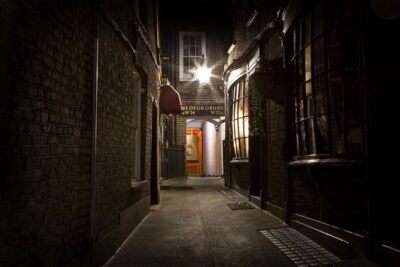
London Jack the Ripper Guided Tour with Ripper-Vision
Read our review →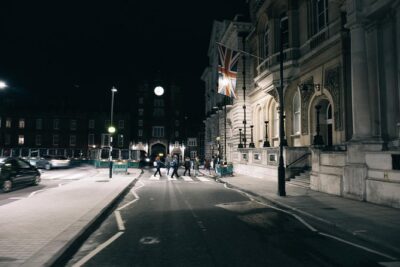
Ghost, Ghouls and Gallows Tour : Guided Tour with Boat Ride
Read our review →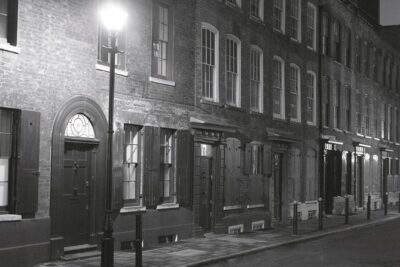
London: Jack the Ripper Tour with Immersive Ripper Vision
Read our review →
German Language : Original Jack the Ripper Tour
Read our review →Browse the lists this tour appears in