
Review · GETTYSBURG
Civil War Ghosts: Echoes of the Fallen Gettysburg Ghost Tour
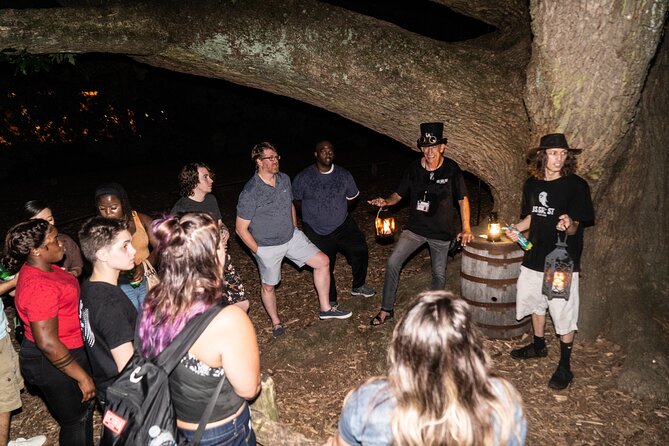
Gettysburg’s ghost stories carry unusual weight because the battlefield was also a town. On this one-hour evening walk, you move past homes, cemeteries, and former hospitals while hearing how the fighting affected soldiers, civilians, and children. The spooky tales work best when tied to real events, and this tour keeps that connection front and center.
I like the central meeting point at 452 Baltimore Street, which makes the outing easy to fit into a day of sightseeing. I also like the mix of famous names, such as Jennie Wade, with lesser-known stories about sharpshooters, orphans, and makeshift burial grounds.
The main thing to know is that this is an outdoor walking tour. You do not go inside the homes, and the experience can lean more toward history than paranormal thrills. That is a plus for some people, but a disappointment if you expect an investigation with access to haunted rooms.
Key points to know before you book
- Eight historic stops: The route includes the Brickhouse Inn, Witness Tree, Farnsworth House, Jennie Wade House, Rupp House, and other Gettysburg sites.
- History comes first: You hear true Civil War accounts, then the ghost stories connected to each place.
- One hour and about $32: That is a fair price for a compact introduction to Gettysburg after dark.
- Outdoor access only: The tour looks at buildings and sites from public areas rather than taking you inside.
- Guide quality matters: Amber, Richard, Linda, Aurora, Jim, Michala, Sherrie, and others have received praise for clear, lively storytelling.
- Plan for a slow walk: You need a moderate level of fitness, though the pace has worked well for people with knee trouble and older family members.
Gettysburg after dark, with the battle still close by
Gettysburg can feel like a history lesson during the day, with monuments and battlefield markers competing for your attention. At night, the town’s old buildings take on a different mood. A dark upper window, a quiet cemetery, or a narrow street can make the past feel less distant.
This tour uses that mood without cutting history loose from the facts. You hear about Confederate sharpshooters, civilian deaths, wounded soldiers, abused children, and hurried burials. The paranormal stories are presented as reported activity connected to those events, not as proof that you will see a ghost.
That distinction matters. Some people want a frightening night out. Others want a short introduction to Gettysburg that adds a few chills to the history. This experience is better suited to the second group.
The route is listed as about one hour, with roughly seven or eight minutes at each stop. In practice, some tours have run closer to an hour and a half when guides added stops or extra stories. You should allow a little flexibility, especially if you are joining during a busy evening.
Group size can reach 35 people. A larger group may make the walk feel less intimate, and you will want to stay close enough to hear the guide. Most guides use photos on a phone or tell stories with enough energy to hold attention, but one account noted a guide with a low voice. If you have trouble hearing, move toward the front and speak up early.
Other ghost walks and hunts we rate around Gettysburg
- Echoes of War All Ages Ghost Tour
★ 5.0 · 658 reviews - Gettysburg: Ghost Hunt Tour with Ghost Hunting Equipment
★ 4.5 · 589 reviews - Civil War Ghosts: Echoes of the Fallen Gettysburg Ghost Tour
★ 4.3 · 480 reviews
Brickhouse Inn and the first glimpse of the old town
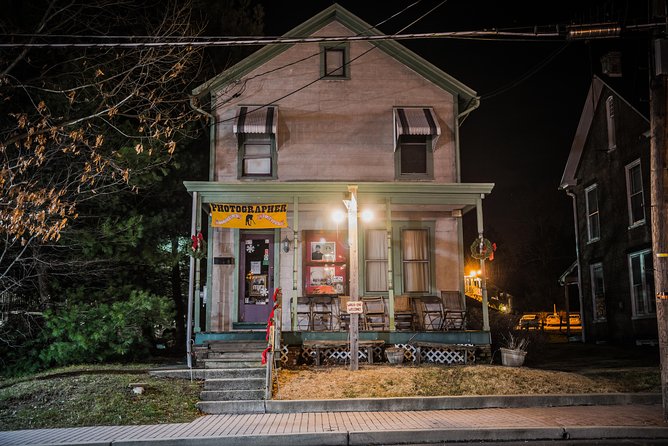
The tour begins near the Brickhouse Inn, formerly known as the Old Welty House. During the Battle of Gettysburg, Confederate sharpshooters used the second floor and attic as a firing position.
That detail gives the first stop a strong sense of place. You are not hearing about an anonymous haunted building. You are looking at a house that became part of the battle itself, with soldiers using its upper rooms to watch and fire across town.
The ghost story follows naturally. The spirits said to remain here are linked to those Confederate soldiers, whose presence is supposed to linger in the inn. The guide may focus on the building’s wartime role, the reported activity, or both.
Do not park in the Brickhouse Inn parking area. It is reserved for overnight guests, and unauthorized cars may be towed. Use available side-street or main-street parking instead.
The Witness Tree and the sound of memory
The Witness Tree on Baltimore Street is an older, quieter stop. It is associated with the fighting that took place in town and is said to have been present during the battle.
Here, the ghost story is less about a room where something happened and more about the idea of memory held in a living object. Some accounts connect whispers in the leaves with the soldiers and civilians who experienced the battle.
I find this kind of stop useful because it slows the tour down. Gettysburg’s violence did not happen only on open fields. It reached streets, yards, homes, and ordinary parts of town. A tree beside the road can become a prompt to picture that setting before the monuments and museums shaped the modern view of Gettysburg.
This stop may appeal less to anyone seeking a dramatic scare. It works better as a short, atmospheric pause between the more intense house stories.
Farnsworth House and Confederate sharpshooters
The Farnsworth House is one of the tour’s strongest history-and-ghost combinations. Confederate snipers used the building during the battle, and the house is now associated with reports of eerie sensations and ghostly encounters.
The important point is the setting. A sniper position changes how you look at a building. Windows are no longer just windows. They become places where someone watched the street, waited for movement, and fired during a battle fought at close range.
You will hear the paranormal side of the story from outside. The tour does not take you through the rooms or let you test the building for activity yourself. That limitation is worth remembering, since the name of a haunted inn or house can suggest an indoor experience when the actual route is conducted from public areas.
For many people, the exterior view is enough to make the story work. The guide supplies the context, and the building gives you something concrete to look at while listening.
Same old streets, another story to hear:
- Ghost Tour: History and Haunts – Family Friendly – Best in Gettysburg
★ 4.5 · 378 reviews - Spirits of Jennie Wade Ghost Night Tour in Gettysburg
★ 5.0 · 310 reviews - Gettysburg: Ghost Hunt Tour with Ghost Hunting Equipment
★ 4.5 · 308 reviews - Spirits Speak Orphanage
★ 5.0 · 271 reviews
The National Soldiers Orphanage and a darker civilian story
At 777 Baltimore Street, the story shifts from battlefield combat to what happened to children after the war. The site was once the National Soldiers Orphanage Homestead, where an abusive matron in the 1870s is said to have mistreated the children.
The reported hauntings here involve apparitions and sounds connected to those former residents. This is one of the more troubling stories on the route because the focus is not on soldiers who died in combat. It is on children who suffered in an institution meant to care for them.
That change in subject gives the tour more range. You are not simply hearing eight versions of soldiers marching through old houses. You get a sense of how war and its aftermath affected people who never carried a weapon.
This stop may be especially meaningful for families with older children. The subject is grim, so parents should decide how much detail fits their group. The tour is not described as a children’s program, but family groups have found the historical material engaging.
East Cemetery Hill and the soldiers in the dark
East Cemetery Hill saw some of the fiercest fighting during the Battle of Gettysburg. It is also one of the stops where the atmosphere does much of the work.
Stories connected to the site describe shadowy soldier figures appearing to come out of the cemetery after dark. The image is simple and effective: men who fought there still moving through the same ground after the battle has ended.
This is likely to be one of the more atmospheric parts of the walk, but the experience still depends on the guide. A strong storyteller can explain the military importance of the hill, then let the ghost account build from that setting. A less energetic presentation may leave you with a basic summary and little suspense.
The cemetery stop also reinforces the tour’s central theme. Gettysburg is haunted in these stories not just because old buildings are spooky, but because the town contains the physical traces of mass death.
The Hall of Presidents site and the uneasy ground beneath it
At 789 Baltimore Street, the route reaches the former Hall of Presidents Museum. The site once displayed wax figures of U.S. presidents and their wives, but its earlier use is more unsettling. During the Civil War, it served as a makeshift burial ground.
That history gives the location an unusual contrast. A building associated with national leaders and museum displays also sits above ground linked to wartime deaths. The reported hauntings are connected to people buried there, whose spirits are said to remain.
This stop is a reminder that Gettysburg’s history can be layered in odd ways. You may pass a place that looks like a normal commercial property, then learn that its past reaches back to the emergency conditions of the Civil War.
Again, you are hearing the story from outside. The value is in understanding what happened at the site and how the paranormal tradition grew around it.
Jennie Wade House and the civilian cost of battle
The Jennie Wade House is probably the most emotionally direct stop. Jennie Wade was sheltering inside when a stray Confederate sniper’s bullet killed her. She is remembered as the only civilian killed in Gettysburg during the battle.
The ghost story connected to the home reflects that sudden death. Reports of eerie activity are framed as a continuation of the grief and anguish associated with the house.
This stop helps correct a common weakness in battle tours, which can focus so heavily on troop movements that civilians fade into the background. Jennie Wade’s story brings the fighting back into the kitchens and living spaces of town.
You should not expect an interior tour here. The house is viewed from the outside, while the guide explains the event and the reported activity. Even with that restriction, the story has force because it is specific, personal, and easy to picture.
Rupp House and the fear inside a private home
The Rupp House became part of the fighting when John Rupp hid in the basement while chaos unfolded upstairs. That detail turns the site into a story about survival rather than military strategy.
The reported paranormal activity includes apparitions associated with people who died within the building. The basement refuge also gives the guide a clear way to explain what civilians faced when combat moved into town.
I like this stop because it makes the battle feel close and confusing. From the outside, a historic house can seem calm. The story reminds you that a family home could become a place of shelter, combat, and death in a matter of hours.
As with the other stops, you stay outside. If you want to explore the Rupp House interior, you will need a separate visit or another tour that specifically includes admission.
What $32 buys you in Gettysburg
At $32 per person, the tour is priced as a modest evening activity rather than a full battlefield program. You get about an hour of guided walking, a central starting point, researched historical stories, and paranormal accounts connected to eight locations.
That makes the value strongest if you are already spending time in central Gettysburg. You do not need motorized transport, and the route can fit before dinner or after a day at the battlefield. Dinner is not included, so plan your meal separately.
The price is less compelling if you want building access, special effects, or a long investigation. There are no promises of personal ghost encounters, and the tour does not include equipment or private time inside the sites.
I would treat it as a compact orientation to Gettysburg’s haunted side. If you have never visited, it gives you names, places, and stories to follow up on. If you already know the town well, its value depends more on the guide’s storytelling.
Guides can make or break the evening
The strongest praise has centered on guides who combine clear facts with personality. Amber has been described as passionate and entertaining, even wearing a handmade period-style dress. Richard has been praised for humor and enthusiasm, while Linda has used pictures on her phone to add context.
Aurora has focused on the hardships faced by Gettysburg civilians, and Jim has explained both the history of each site and its reported paranormal activity. Michala has been noted for a clear voice and a pace that older people could follow. Sherrie, Taylor, and Dan have also been singled out for friendly, engaging presentations.
That range matters because the tour follows a familiar pattern: stop, explain the history, then tell the haunting. The guide’s ability to connect those two parts determines how memorable the walk feels.
The experience has also had weaker outings. One account described incorrect information and an unprofessional presentation, while another found the guide quiet and the stories too basic. A separate scheduling issue involved a time change only a few hours before the start. Confirmation is sent within 48 hours, subject to availability, so check your booking details before setting your evening plans.
Walking, parking, and who should book
You need a moderate level of fitness, but this is not presented as a strenuous hike. The route stays in town, with short periods at each stop. Bring comfortable shoes, and remember that you may spend much of the hour standing.
One useful accessibility tip is to bring a small stool or portable seat if standing is difficult. A person with a bad knee completed the walk despite humidity, and another account praised the pace for older family members. Still, conditions and guide pacing can vary, so ask for clarification if you have a serious mobility concern.
Service animals are allowed, and the starting point is near public transportation. The end point returns to the meeting place, making it easy to find your way back to a parked car or continue into central Gettysburg.
The tour suits:
- First-time Gettysburg visitors who want a short evening activity
- Families with older children interested in Civil War stories
- Couples looking for history with a spooky edge
- People who prefer walking tours to bus rides
- Anyone curious about civilian experiences during the battle
It is less suitable if your main goal is entering haunted buildings, conducting a paranormal investigation, or hearing only frightening stories.
Should you book Civil War Ghosts?
I would book this tour if you want history with a supernatural frame, not a pure scare attraction. The best moments come from seeing exactly where sharpshooters took position, where Jennie Wade died, and where civilians hid while the battle moved through town.
At $32, it is a sensible add-on for a Gettysburg visit, especially if you value a short route and a guide who can bring the stories to life. Before booking, make peace with the outdoor format and the possibility that the tour will be more historical than paranormal.
Choose an evening when you can hear the guide clearly, arrive early enough to find legal parking, and leave room in your schedule in case the walk runs longer than an hour. If Amber, Richard, Linda, Aurora, Jim, or Michala is leading, you can expect a guide with a strong reputation for storytelling, but every tour depends on the person holding the lantern, figuratively speaking.
FAQ
How long is the Gettysburg Ghost Tour?
The tour lasts approximately one hour. Some outings have lasted about an hour and a half when guides added extra stops or stories.
How much does the tour cost?
The listed price is $32 per person.
Where does the tour start?
The meeting point is 452 Baltimore Street, Gettysburg, Pennsylvania 17325.
Where does the tour end?
The activity ends back at the meeting point.
Does the tour enter the historic homes?
No. The route focuses on exterior locations, with the guide explaining the history and reported hauntings from outside the buildings.
Is transportation included?
No. The tour is a walking experience, and motorized transportation is not included.
Is parking available near the meeting point?
Parking is available on nearby side streets and the main street. Do not park in the Brickhouse Inn parking area because it is reserved for overnight guests and unauthorized cars may be towed.
Can I cancel for a refund?
Yes. You can cancel at least 24 hours before the start time for a full refund. Cancellations or changes made within 24 hours are not accepted for a refund.
Freshly reviewed haunts around Gettysburg
- Haunted Smart Phone App Location Aware Walking Tour in Gettysburg★ 4.5 · 8 reviews
- Gettysburg Ghost Hunt★ 4.5 · 31 reviews
- Spirits Speak Jennie Wade★ 5.0 · 33 reviews
- Historic Jennie Wade Birthplace Ghost Hunt w/ Equipment★ 5.0 · 6 reviews
- Gettysburg Haunted Tour by Bus★ 4.5 · 47 reviews
- Gettysburg Self-Guided Audio Ghost Tour★ 3.5 · 4 reviews
- Ghosts of Gettysburg Self-Guided Driving Audio Tour★ 4.0 · 77 reviews
- Jennie Wade Birthplace Ghost Hunt with Equipment in Gettysburg★ 5.0 · 52 reviews
Gettysburg Ghost Tours, compared.
Gettysburg: Ghost Hunt Tour with Ghost Hunting Equipment
Read our review →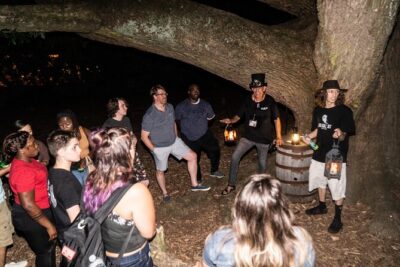
Civil War Ghosts: Echoes of the Fallen Gettysburg Ghost Tour
Read our review →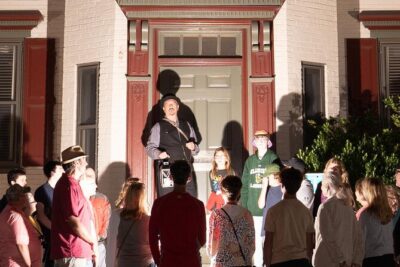
Ghost Tour: History and Haunts – Family Friendly – Best in Gettysburg
Read our review →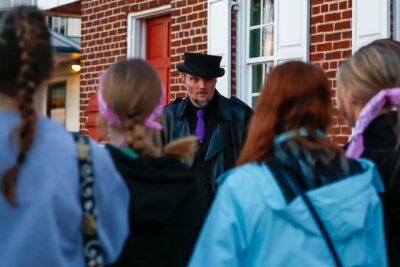
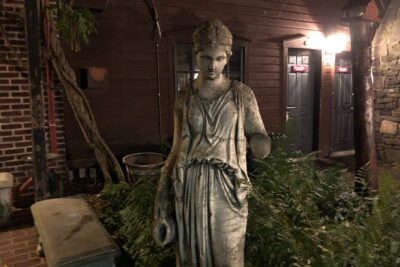
Spirits of Jennie Wade Ghost Night Tour in Gettysburg
Read our review →
Ghosts of Gettysburg Ultimate Dead of Night Haunted Ghost Tour
Read our review →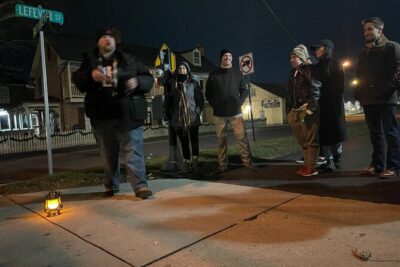
The Historic Welty House Ghost Hunt with Equipment
Read our review →Browse the lists this tour appears in