
Review · SEOUL
Blood & Tears: Korea Dark History Guided Walking Tour
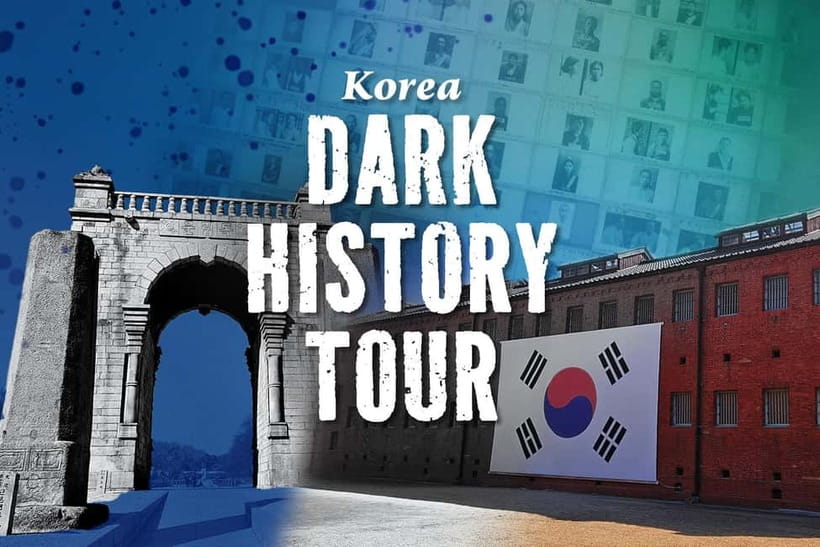
Seoul’s modern history is not tucked away in a textbook here. You walk through prison cells, torture rooms, former intelligence offices, and the streets where independence protests began. Seodaemun Prison History Hall gives Package 1 its emotional force, while Package 2 shows how military rule and citizen resistance shaped today’s democracy.
I like the small groups, limited to 10 people, because they give you room to ask questions and adjust the pace. I also like the way the tour uses ordinary Seoul places, including Tongin Market, to connect major political events with daily life. The main consideration is tone: this is serious, sometimes upsetting material, not a light sightseeing walk.
Key points to know before booking
- Two different chapters of Korean history: Choose the colonial-era independence route or the post-war democracy route.
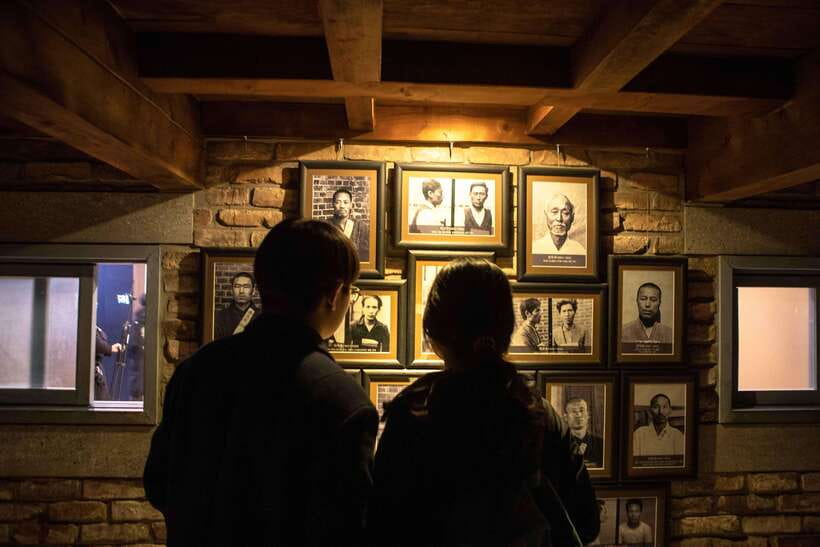
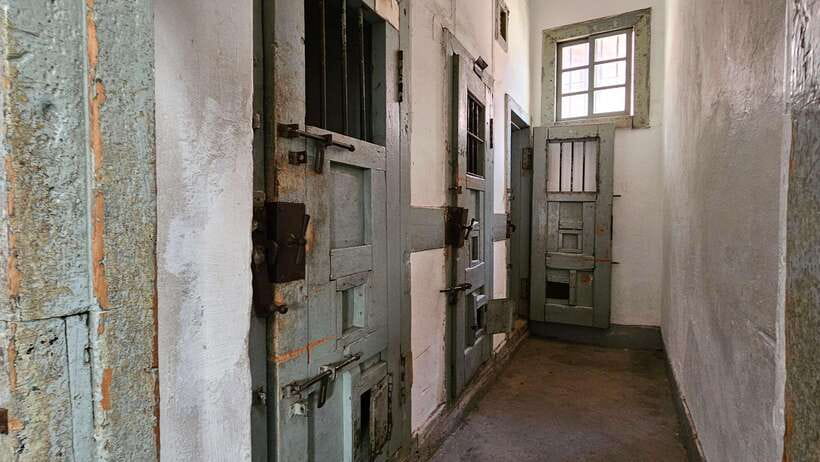
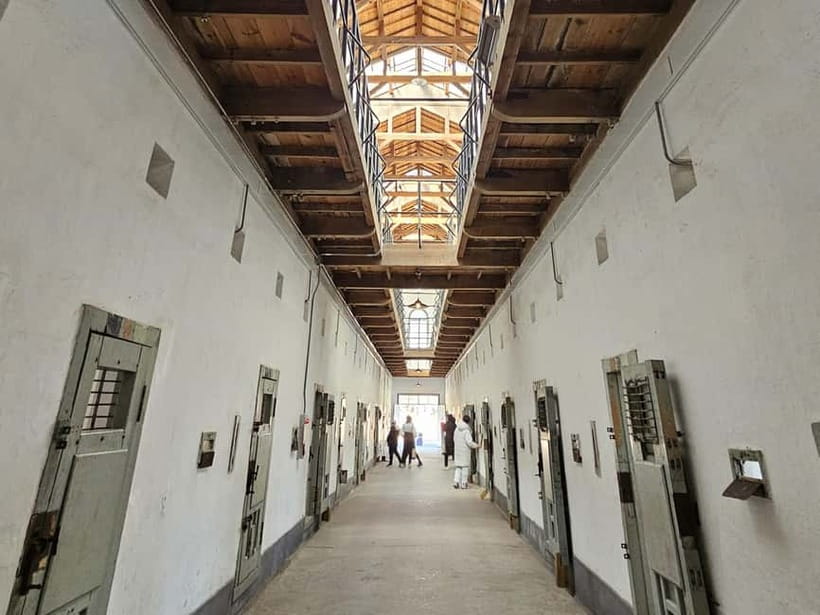
- Seodaemun Prison is the emotional center: Cells, execution areas, and torture rooms make the cost of resistance painfully clear.
- Guides personalize the history: Joseph, Laura, Gina, and Chuck are praised for clear explanations and patient answers.
- Tongin Market adds a local pause: Package 2 includes time for a traditional lunch, but food is not included in the price.
- Public transport is part of the experience: Fares are included, but comfortable walking shoes and some flexibility help.
- Small groups make a real difference: With no more than 10 people, the tour can feel conversational rather than scripted.
Two routes, two different views of Korea
The title Blood & Tears is not decoration. Both routes deal with imprisonment, state violence, sacrifice, and political courage. Yet they cover different periods, so you should pick based on the questions you want answered.
Package 1, Then: Fight for Independence, begins at 9:30 AM at Dongnimmun Station Exit 5 and ends at Tapgol Park at 13:00. It follows Korea’s struggle against Japanese colonial rule, with a strong focus on people who resisted, suffered imprisonment, and gave their lives.
Package 2, Now: Road to Democracy, begins at 9:50 AM at Gwanghwamun Station Exit 7. It moves from post-war reconstruction and military governments to citizen resistance and democratic change. The route ends at the Korea Democracy Foundation around 16:00, though that final visit can change based on conditions at the site.
The advertised duration is 210 to 330 minutes, but the exact time depends on the route and the day. Check the available start times carefully before booking, especially for Package 2.
More Dark History Tours in the world:
- Adults-Only New Orleans Ghost, Crime, Voodoo, and Vampire Tour
★ 5.0 · 6,545 reviews - Edinburgh: Dark Secrets of the Old Town Ghost Walking Tour
★ 4.6 · 1,671 reviews - New Orleans Adults-Only True Crime and Ghost Walking Tour
★ 5.0 · 1,666 reviews
Package 1: from Seodaemun Prison to Tapgol Park
Seodaemun Prison History Hall
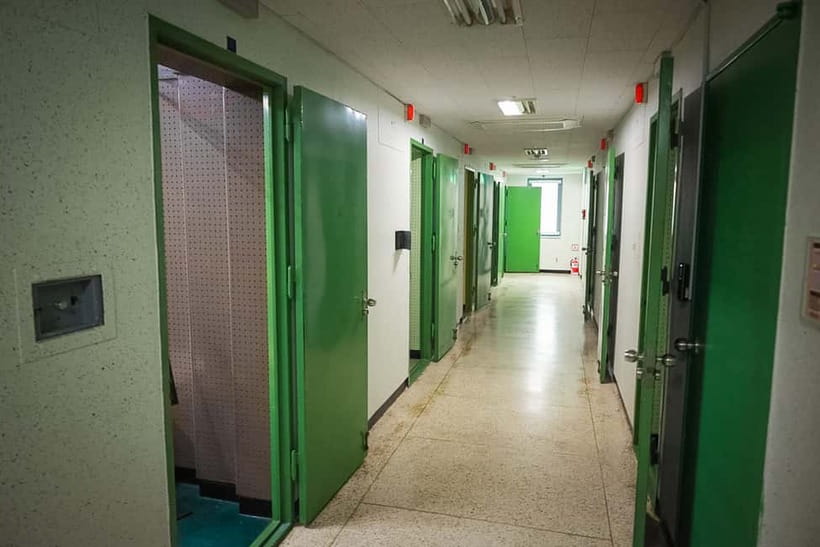
You begin with the hardest stop. Seodaemun Prison History Hall preserves the place where Korean independence activists were jailed, tortured, and executed under Japanese rule.
The value of a guide is especially clear here. On your own, you may see cells, corridors, and stark institutional rooms. With an English-speaking guide, those spaces gain human meaning. The tour explains the courage of the people held there and the methods used to crush resistance.
This is not a comfortable museum. The cold cells and torture areas can be upsetting, and the subject deserves your full attention. I would not squeeze this route between casual shopping plans. Give yourself time to process what you see.
The guide-led approach also helps prevent the visit from becoming a collection of grim displays. Laura, Joseph, Gina, and Chuck have each been praised for explaining the political background as well as the personal stories. One particularly useful feature is the willingness to answer questions instead of rushing from room to room.
Dongnimmun Arch
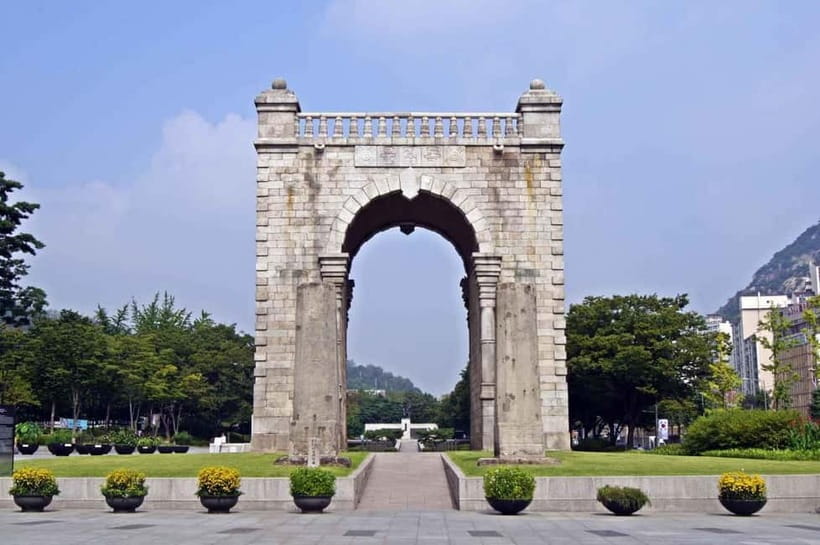
From the prison, the route continues to Dongnimmun Arch. Built to celebrate independence, the arch carries a difficult irony because it later became a witness to the realities of Japanese colonization.
That contrast is what makes the stop worthwhile. The arch is not treated as a simple photo opportunity. You are asked to consider how symbols of national freedom can exist alongside foreign control and political repression.
The walk between sites also helps you read Seoul differently. Modern roads and daily traffic surround places tied to enormous political change. You do not need a separate history lecture to see that the city’s past is still part of its ordinary streets.
More Ghost Walking Tours in the world:
- New Orleans Premier Ghost, Voodoo and Vampire Walking Tour
★ 4.5 · 12,856 reviews - Chicago: Gangsters and Ghosts Walking Tour
★ 5.0 · 7,155 reviews - Prague: Ghost Walking Tour Where Legends Come To Life
★ 4.4 · 5,253 reviews - Savannah History and Haunts Candlelit Ghost Walking Tour
★ 5.0 · 3,235 reviews
Dilkusha and Albert W. Taylor
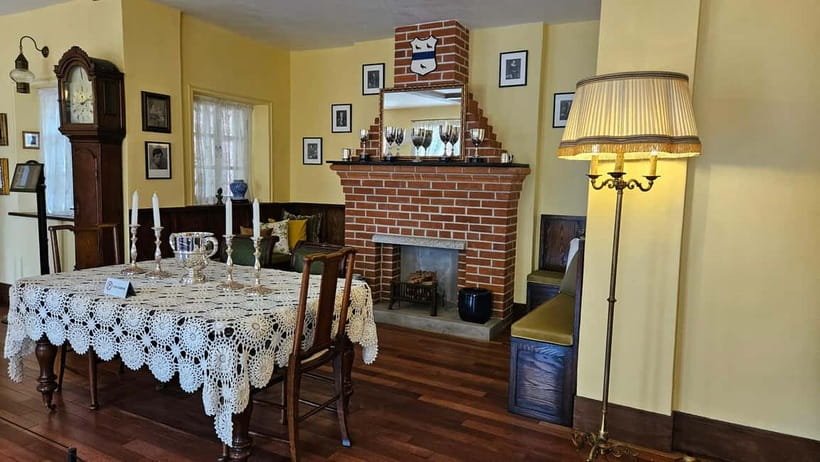
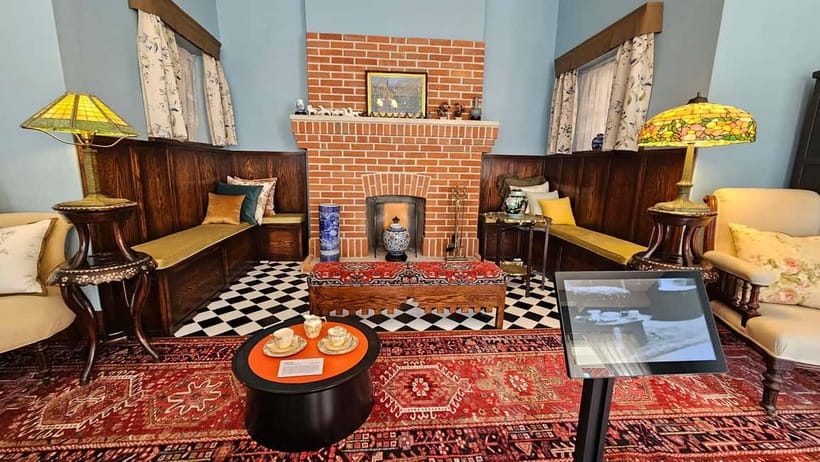
Dilkusha was the former home of Albert W. Taylor, an American journalist who reported Japan’s harsh colonial rule to the wider world. Its importance comes from the link between local resistance and international attention.
You may need to remove your shoes before entering to help protect the historic residence. Slippers are provided on site, so wear socks you will not mind showing and avoid footwear that is awkward to remove.
This stop gives the route another angle. Seodaemun focuses on the people punished for resisting. Dilkusha helps show how news of that repression reached audiences beyond Korea. The house also breaks up the heavier prison visit with a different kind of historical evidence.
Tapgol Park and the 1919 uprising
The route ends at Tapgol Park, where the first public cries for independence in 1919 helped spark a nationwide uprising.
This is a fitting final stop because the day moves from punishment to public action. The prison shows what resistance cost. Tapgol Park shows how a demand for independence could spread through streets and communities.
The tour ends at 13:00, leaving the rest of your afternoon free. That timing makes Package 1 easy to combine with another Seoul plan, though I would keep the schedule flexible rather than rushing straight into a crowded attraction.
Package 2: from post-war rule to democracy
National Museum of Korean Contemporary History
Package 2 begins at the National Museum of Korean Contemporary History near Gwanghwamun. This provides the background needed to understand Korea after the colonial period: reconstruction, military governments, political control, and citizen resistance.
Without this context, later stops could feel like disconnected buildings. The museum helps you follow the chain from a country recovering from war to a society demanding political rights.
The guide’s role matters here because modern Korean history can be politically sensitive and difficult to compress. The strongest guiding style on this tour explains not only what happened, but why events unfolded and how society changed afterward. The experience is particularly useful if you want more than the polished success story of modern Seoul.
Tongin Market and lunch
Next comes Tongin Market, where you can stop for a traditional lunch. Food is not included, so bring money for your meal and personal purchases.
This is one of the route’s smartest choices. A market gives you a break from museums and political sites, but it does not pull you out of the story entirely. You are seeing a working part of Seoul while considering the social changes that shaped modern Korea.
The market stop has also been praised for taking people beyond the usual visitor circuit. You may find the lunch less formal than a restaurant meal, which suits the walking-tour format. The benefit is local atmosphere and choice. The tradeoff is that you need to decide what to eat and manage your own food budget.
The former Namsan KCIA headquarters
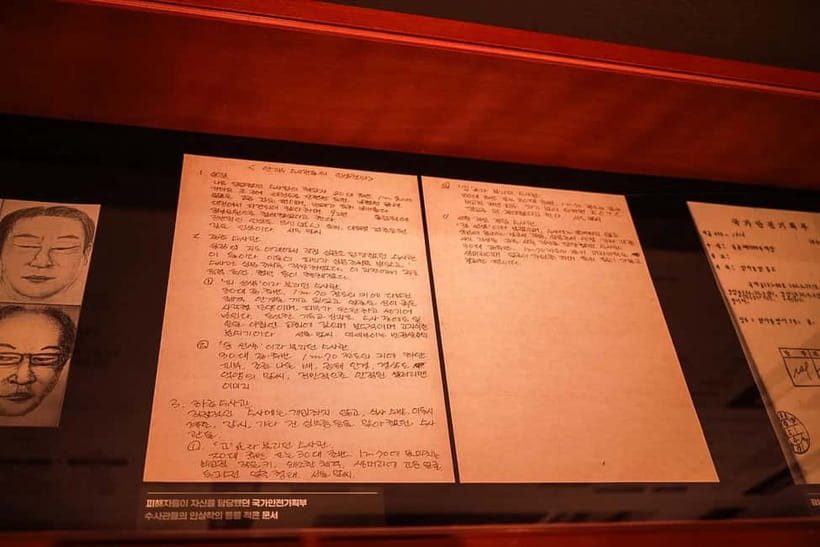
The route then turns darker, with a visit to the former Namsan KCIA headquarters. This site is tied to surveillance, political oppression, and torture during Korea’s authoritarian period.
Its significance can be hard to grasp from the building alone. This is where a strong guide earns the fee. Joseph has been praised for creating a conversational tour and tailoring explanations to the questions being asked. Laura has also been noted for being patient and clear, including when the group needed an unplanned stop.
You will hear about the way state power was used to silence dissent. The tour does not present democracy as an automatic result of economic growth. Instead, it shows the pressure, fear, and organized resistance behind political change.
Korea Democracy Foundation
The final scheduled stop is the Korea Democracy Foundation, at a former site connected with surveillance, political repression, and torture. The location now helps preserve the memory of the struggle for democratic rights.
The visit may be adjusted depending on on-site conditions, so do not treat this stop as guaranteed in exactly the same form every day. Even with that qualification, it gives Package 2 a clear ending: the same kinds of places once used to suppress opposition are now part of public memory and education.
Package 2 is longer and heavier than a typical city walk. It asks you to pay attention for most of a day, with a market lunch as the main pause. If you want a quick introduction to Seoul, choose Package 1. If you want political context and a fuller look at the road to democracy, Package 2 is the stronger choice.
Why the guides shape the experience
This tour depends on explanation. The locations matter, but the connections between them matter more.
Joseph is praised for making the experience conversational and adjusting the pace to the group. Laura is described as kind, patient, and especially good at explaining colonial history. Gina receives praise for making the subject accessible, while Chuck is noted for enthusiasm that brings the history to life.
One useful feature is the use of familiar films and dramas as reference points when explaining people and events. That can help you place unfamiliar names and political movements in a frame you already understand. The approach is not just a recital of dates. It aims to explain personalities, motives, and consequences.
You should still ask questions. The small-group format makes that practical, and the guides are accustomed to discussing difficult subjects openly. If you have a particular interest in the independence movement, the Gwangju events, or democratization, mention it early so the conversation can develop in that direction.
Is $61 a fair price?
At $61 per person, the price includes admission fees, public transportation during the tour, and an English-speaking guide. Meals and personal expenses are extra.
That is fair value if you want several major sites connected by one historical thread. Admission fees can add up, and using public transport between landmarks would be less useful without someone explaining what you are seeing. The small group also gives the tour more flexibility than a large bus outing.
Package 1 is the easier value calculation because it covers several important sites in about three and a half hours. Package 2 offers more time, more context, and a lunch stop, but you should budget separately for food and expect a fuller day.
This is not the right purchase if you want entertainment, shopping, or photo stops as the main event. You are paying for interpretation and context. For anyone trying to understand why modern Korea looks and feels the way it does, that context is useful.
Practical details that affect your day
Both routes use public transportation, and the fares are included. Wear shoes suited to walking and allow extra time for changes caused by traffic or weather.
The tour is listed as wheelchair accessible, but public transport, walking, and the use of strollers or wheelchairs may be inconvenient. Contact the provider before booking if mobility is a major concern, and be prepared for the route to require more effort than a fully step-free museum visit.
Package 1 begins at Dongnimmun Station Exit 5. Package 2 begins at Gwanghwamun Station Exit 7. The meeting point depends on your selection, so check it closely rather than heading to the wrong station.
You can cancel up to 24 hours before the experience for a full refund, and the reserve now, pay later option gives you some flexibility while planning. Those are useful safeguards, especially since weather and site conditions can affect the route.
Who should book this Seoul history tour?
I would recommend it to you if you want to understand Korea through its conflicts, not just its palaces, food, and popular culture. It suits history students, politically curious visitors, and anyone who wants the background behind Korea’s independence movement and democratic development.
Package 1 is best for a focused morning and a powerful introduction to colonial rule. Package 2 suits you if post-war politics, military governments, and democracy movements interest you more.
The material may be too intense for young children or anyone looking for a relaxed first-day outing. Even adults should plan a quieter activity afterward, especially after the prison or former KCIA sites.
Should you book it?
Book this tour if you want Seoul to make more sense. The strongest parts are the small group, the guides’ ability to answer questions, and the choice of places that are difficult to understand without context.
Choose Package 1 for Seodaemun Prison, Dilkusha, and the independence movement. Choose Package 2 for modern political history, Tongin Market, and the road to democracy. If you have enough time and serious interest in Korean history, doing both gives you the clearest picture, but either route works on its own.
Skip it if you want a cheerful sightseeing walk or prefer to keep difficult political history out of your holiday. For everyone else, $61 buys a thoughtful, human account of the forces that shaped modern Korea.
FAQ
What does the Blood & Tears tour cover?
It covers major sites connected with Korean independence, Japanese colonial rule, post-war military governments, political repression, and the struggle for democracy.
How many package options are available?
There are two options: Package 1, Then: Fight for Independence, and Package 2, Now: Road to Democracy.
Where does Package 1 begin?
Package 1 begins at 9:30 AM at Dongnimmun Station Exit 5.
Where does Package 2 begin?
Package 2 begins at 9:50 AM at Gwanghwamun Station Exit 7.
What are the main stops on Package 1?
Package 1 visits Seodaemun Prison History Hall, Dongnimmun Arch, Dilkusha, and Tapgol Park.
What are the main stops on Package 2?
Package 2 visits the National Museum of Korean Contemporary History, Tongin Market, the former Namsan KCIA headquarters, and the Korea Democracy Foundation, subject to on-site conditions.
Is lunch included?
No. Lunch is not included, but Package 2 includes time to eat at Tongin Market.
Are transportation and admission included?
Yes. Public transportation fees during the tour and admission fees are included.
Is the tour conducted in English?
Yes. An English-speaking live guide leads the tour.
How large is the group?
The tour is limited to 10 participants.
Can the tour be canceled for a refund?
Yes. You can cancel up to 24 hours in advance for a full refund.
Ghost walks heavy on history around the world
- Stockholm: Ghost Walk and Historical Tour
★ 4.7 · 2,685 reviews - New Orleans Small-Group Haunted History Carriage Tour
★ 4.5 · 2,289 reviews - New Orleans Haunted History Ghost Tour
★ 4.5 · 2,084 reviews - Genteel and Bard’s Savannah Dark History and Ghost Encounter Walking Tour
★ 5.0 · 1,546 reviews
Freshly reviewed haunts around the world
- New Orleans French Quarter Dark History, Haunts, and Laughs Tour★ 5.0 · 30 reviews
- New Orleans’ Finest Haunted Pub Tour★ 4.5 · 38 reviews
- Cheers New Orleans! Cocktails, History, Voodoo & Paranormal Tour★ 4.0 · 4 reviews
- Haunted Drunken History Tour from New Orleans★ 5.0 · 135 reviews
- The Original Asbury Park Ghost Tour★ 4.5 · 29 reviews
- Destrehan Plantation Haunted Night Tour★ 4.5 · 100 reviews
- New Haven’s Ghost Walk★ 3.5 · 69 reviews
- Ghosts of Tonopah Haunted History GPS/APP Smartphone guided Walking Tour outside★ 4.5 · 7 reviews
Seoul Ghost Tours, compared.
Seoul: Evening Dark History, Folklore & Ghost Story Walking Tour
Read our review →
Seoul: Dark Side of the City and Ghost Stories Walking Tour
Read our review →
Seoul: Korea Dark History Tour at Seodaemun Prison
Read our review →Browse the lists this tour appears in