
Review · LONDON
London: Jack the Ripper Tour in Spanish
Jack the Ripper’s crimes still cling to Whitechapel, not because the streets offer easy answers, but because the case remains unresolved. This two-hour Spanish walking tour follows the route through the East End, using archival photographs, case replicas, and clear storytelling to explain what happened and why the mystery refuses to fade.
I like the Spanish-language guide and the way the route links several real locations instead of treating the case as a single spooky story. I also like the tone described by Carmen’s guiding: serious and careful with hard facts, but with enough humor to take the edge off a cold London night. The main drawback is the subject itself. This tour deals with brutal murders, so it is not a good fit for young children or anyone seeking a gentle history walk.
Key points to know before you book
- Start at Whitechapel Gallery: Meet your guide outside, looking for a purple umbrella.
- Finish at Spitalfields Market: The route ends near the Ten Bells and the market, useful for food or a short break afterward.
- Spanish throughout: You get a live Spanish-speaking guide rather than an audio guide or self-guided route.
- The evidence is part of the appeal: Archival photographs and replicas help put names, places, and dates into context.
- Carmen brings a measured style: Her approach combines rigor, professional storytelling, and occasional humor.
- Plan for London weather: Wear weather-appropriate clothing, since the full experience takes place outdoors.
Why Whitechapel is the right place to begin
The meeting point is in front of the Whitechapel Gallery, a practical landmark in East London. Look for the guide holding a purple umbrella. That detail matters in a busy city, especially if several groups are gathering near the gallery.
From there, the tour moves into Whitechapel, the district most closely linked with the Ripper case. You are not simply hearing a general account of Victorian crime in a classroom. You are walking through the area connected to the investigation, with the city around you as part of the setting.
That physical connection gives the tour much of its force. Streets change, buildings come and go, and modern London does not look exactly as it did in the late nineteenth century. Still, following the route on foot helps you understand the distances involved and how the case unfolded across a real neighborhood.
The atmosphere will vary with the time of day and weather. On a cold evening, the streets may feel suitably gloomy. On a bright afternoon, the experience will be less theatrical, but the guide’s narration and visual material carry the story.
More Jack the Ripper Tours in London:
- London: The Original Jack the Ripper Walking Tour
★ 4.7 · 7,833 reviews - London Jack the Ripper Guided Tour with Ripper-Vision
★ 4.5 · 4,840 reviews - London: Jack the Ripper Small Group Tour
★ 4.7 · 3,159 reviews
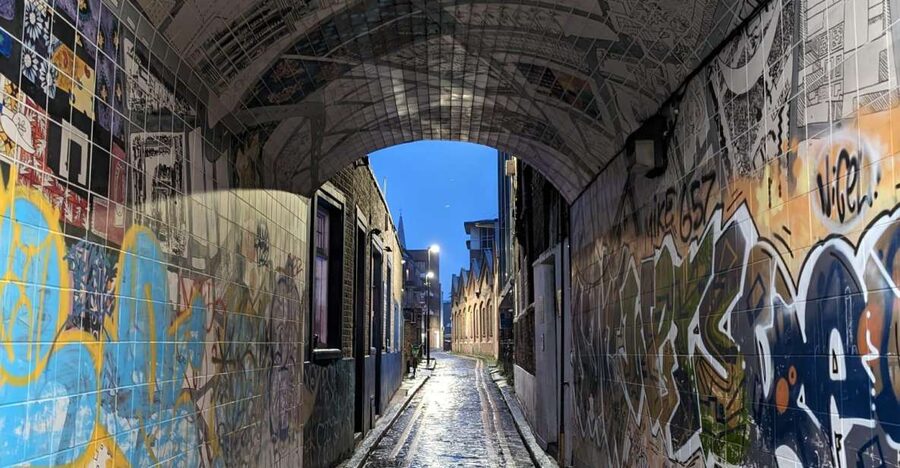
Gunthorpe Street and Whitechapel High Street
The first part of the route includes Gunthorpe Street and Whitechapel High Street. These stops help set the scene before the tour reaches the locations most closely tied to individual incidents.
Whitechapel High Street is also a useful reminder that this is a living part of London, not a preserved crime museum. You will see present-day shops, traffic, and everyday city life alongside a story from a very different period. That contrast can make the past harder to picture, but it also keeps the tour grounded.
A good guide needs to separate documented evidence from later claims. The tour promises a look at the mysteries surrounding the case, along with archival images and replicas. I would pay close attention to how the guide handles uncertainty, since the Ripper story has attracted speculation, false leads, and plenty of sensational retellings.
This is where the Spanish format is especially useful. You can follow the explanation of names, places, and evidence without stopping to translate difficult historical details in your head. For a complicated case, that makes the walk easier to follow and leaves more attention for the streets around you.
Saint Botolph Without Aldgate and the route’s changing mood
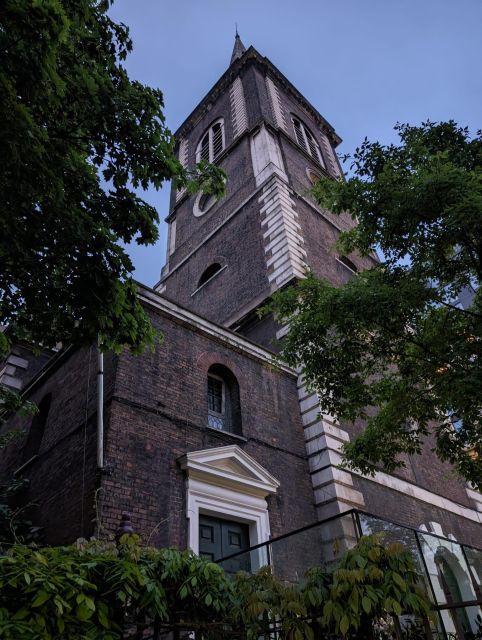
The route continues to Saint Botolph Without Aldgate, a historic church near the edge of the old City of London and Whitechapel. The stop broadens the setting beyond the immediate murder sites and shows how close the East End was to other important parts of London.
The church gives the walk a change of pace. After busy streets, a recognizable historic landmark helps you place the neighborhood on a map. You also get a stronger sense of the city’s layers, with Victorian crime stories set against older religious and civic structures.
This is not a tour built around grand interiors or long museum visits. The value comes from the guide’s explanation and the route itself. You should expect to remain outdoors for the full two hours, so sensible shoes and clothing suited to the forecast will make a real difference.
Wheelchair access is listed for the activity, which is useful to know before booking. The route takes place on city streets, and individual street conditions can still affect comfort, but the experience is described as wheelchair accessible.
Mitre Square, one of the key case locations
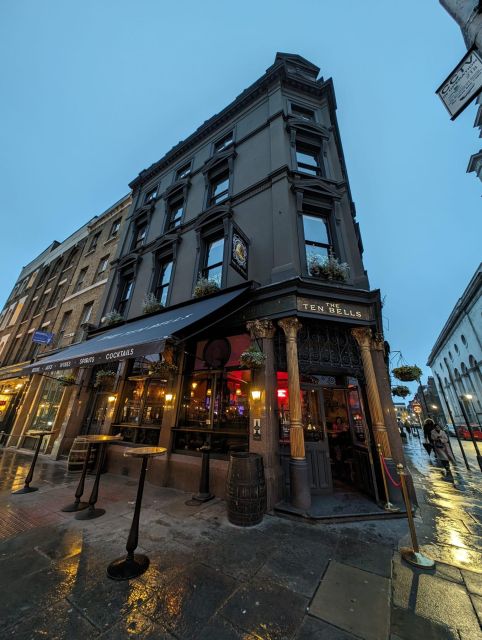
Mitre Square is likely to be one of the most important stops on the walk. It is closely associated with the Ripper investigation and gives the guide a place to explain the crime, the evidence, and the questions that remain unsettled.
This is where visual material can help most. An archival photograph or a replica connected with the case gives you something specific to examine instead of relying only on a spoken description. The point is not to turn the location into a prop, but to show how the surviving evidence has shaped the story.
Expect the tone to become more serious here. The crimes were violent, and a responsible guide should not soften that fact simply to create a spooky evening. Carmen’s style, as described, balances rigor with small touches of humor, which can make difficult material easier to hear without making light of the victims.
You should also keep your expectations in check. Mitre Square will not look exactly as it did during the murders, and the modern city can make the connection feel less immediate than photographs suggest. The interest comes from comparing the present street with the historical record.
Same old streets, another story to hear:
- Ghost, Ghouls and Gallows Tour : Guided Tour with Boat Ride
★ 4.5 · 3,212 reviews - London Jack The Ripper Guided Walking Tour
★ 5.0 · 3,131 reviews - London: Comedy Horror Ghost Tour on a Bus
★ 4.4 · 2,084 reviews - London: Jack the Ripper Tour with Immersive Ripper Vision
★ 4.5 · 1,840 reviews
Goulston Street and the problem of uncertain evidence
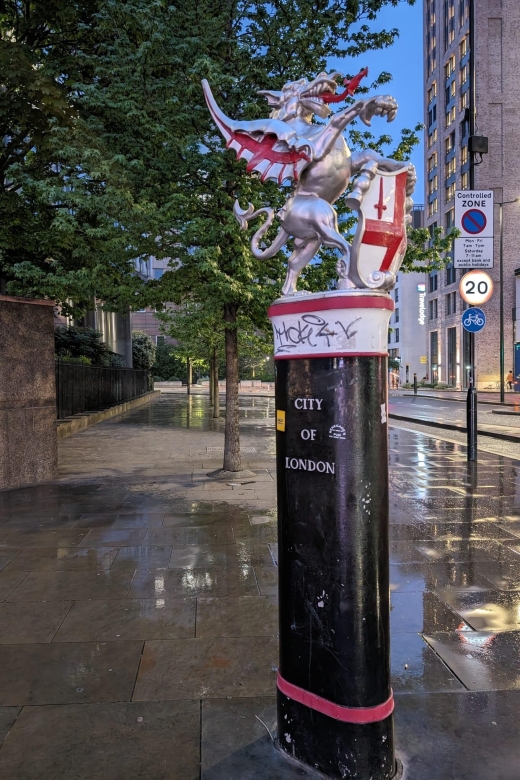
The walk then reaches Goulston Street, another important point in the case. This stop is useful for understanding how investigators tried to connect physical clues with the wider pattern of the murders.
The Ripper story is full of disputed material. Some clues have been interpreted in several ways, while other claims grew stronger through books, newspapers, and later retellings. A good tour should show you where the evidence ends and where speculation begins.
That distinction is one reason to choose a guided walk instead of reading a short summary online. You can ask questions in Spanish and hear the guide explain why certain theories gained attention. The experience is not just about naming a suspect. It is about seeing how an unsolved case became one of London’s most persistent mysteries.
At this point, the route also gives you a practical sense of the distances between the locations. The walk links separate parts of Whitechapel rather than presenting each case detail in isolation. That structure helps you understand the investigation as a sequence of places, movement, and clues.
Lilian Knowles House and the city around the story
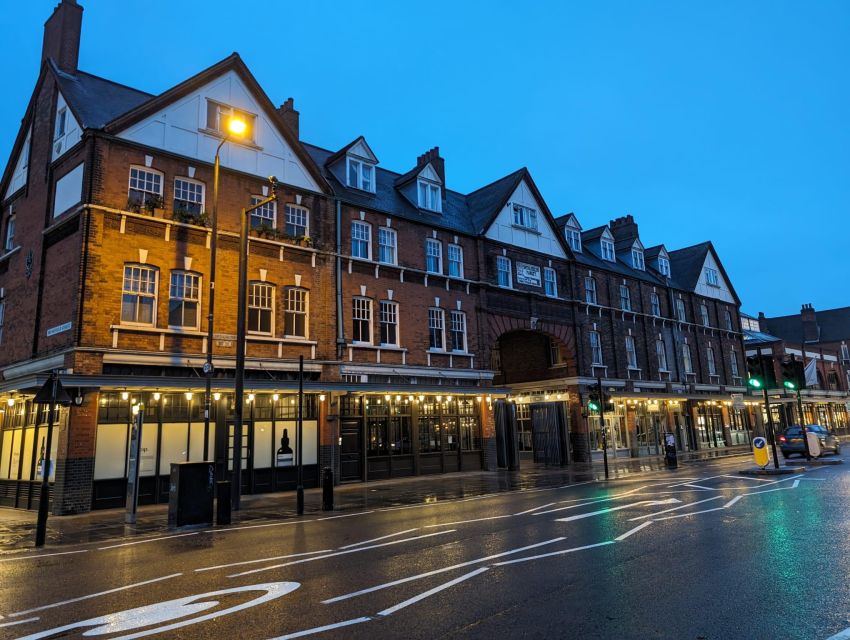
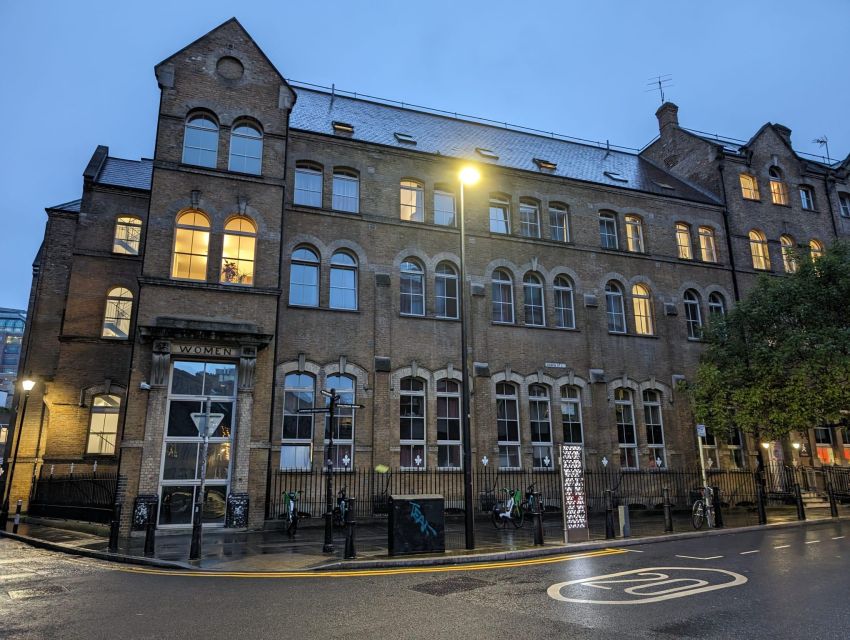
Lilian Knowles House is included as another stop on the route. The information provided does not specify a particular interior visit or exhibit there, so you should expect the guide to discuss the location from the street rather than plan on entering a building.
That is typical of a city walking tour. The guide supplies the historical frame, while you read the modern surroundings for yourself. Buildings and streets can change, but the route still gives you a sense of how the story sits within East London today.
This part may appeal most if you like urban history as much as crime stories. The tour is not limited to gore or shock. It uses the case to introduce a neighborhood, its streets, and the way Victorian London is still used as a backdrop for mystery.
For some people, the lack of a museum collection or indoor display will be a limitation. If you want original documents behind glass or a long look at police artifacts, this is not that kind of experience. The replicas and photographs are used during the walking commentary, not presented as a full museum exhibition.
The Ten Bells and Spitalfields Market finish
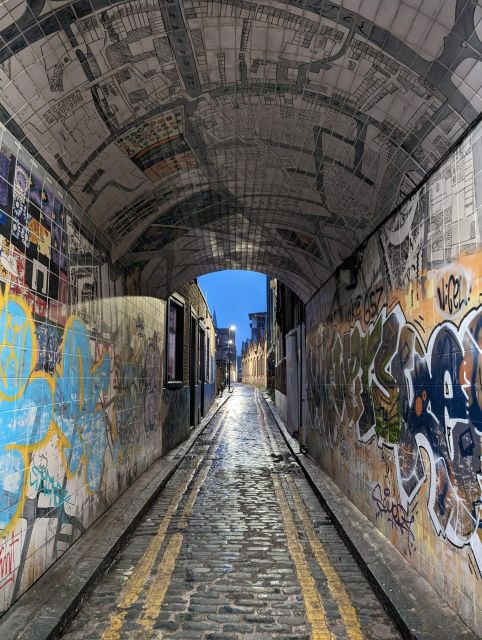
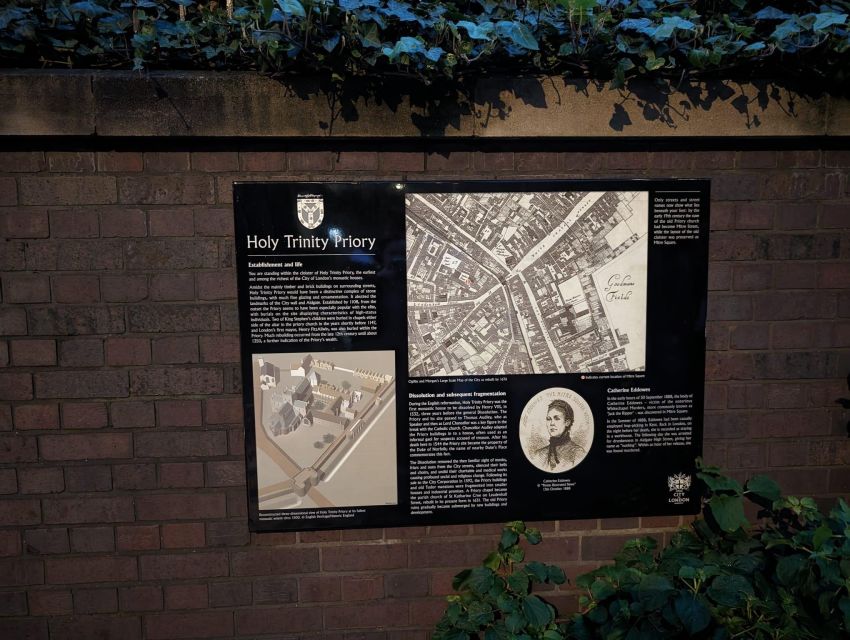
The final section includes The Ten Bells and Spitalfields Market, with the tour ending at the market. The Ten Bells is closely tied to the popular story of the Ripper case, while Spitalfields gives the walk a more social and modern finish.
Ending at Spitalfields Market is convenient. You can stop for food, browse the market, or continue exploring East London without having to retrace your steps to Whitechapel Gallery. It also helps the experience finish on a less grim note after two hours of difficult subject matter.
The Ten Bells can attract strong expectations because it appears so often in books and documentaries about Jack the Ripper. Keep in mind that the tour’s value is the guide’s explanation of the location and its place in the case. You should not assume that the visit includes a private room, a special display, or a reserved stop inside.
Spitalfields Market also shows how much the area has changed. The contrast between a modern public market and the darker Victorian story is part of the route’s appeal. You leave with the case still unresolved, but with a better sense of where its central locations sit within London.
How the Spanish storytelling shapes the experience
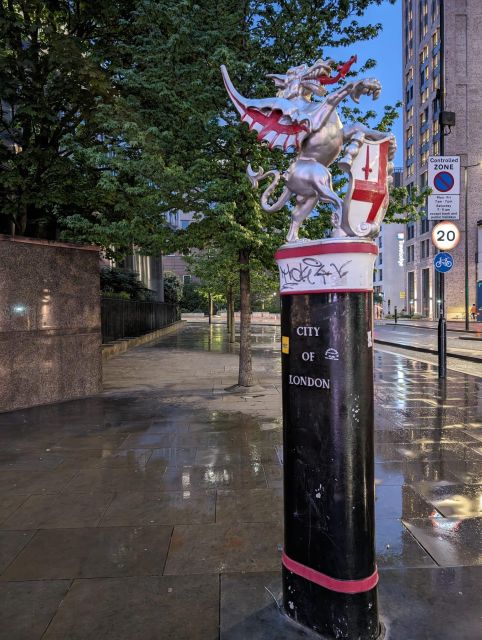
This tour is conducted in Spanish, which makes it a strong choice if you prefer history and complex explanations in that language. The case involves several locations and a mass of names, claims, and clues. A guide who can explain these points naturally is more useful than a translated handout.
Carmen is the guide named in the available feedback, and her style is described as professional, rigorous, and lightly humorous. One especially practical detail is her ability to keep the tone bearable in cold weather. That matters because two hours outside can feel much longer when the temperature drops.
The humor should be understood as a way to manage the mood, not as a promise of a comedy tour. The core material remains grim. You are likely to get the best experience if you enjoy serious history with a human guide who can vary the tone.
Video and audio recording are not allowed. Bring your attention instead of planning to document the entire walk. You may bring weather-appropriate clothing, and I would treat that as essential rather than optional, especially for an evening departure.
Price, pace, and who gets good value
At $17 per person, this is a reasonably priced guided walk for a full two hours in central London. You are paying for a live Spanish-language presentation, a planned route through several case locations, and access to visual material such as archival photographs and replicas.
The value is strongest if you want context. A person already familiar with every Ripper location may find the route less revealing, particularly because the modern streets do not always match old photographs. For a first look at the case in London, the combination of place, evidence, and narration makes the price easier to justify.
The pace should suit most people who are comfortable with a two-hour city walk. There is no mention of a long indoor stop, meal, or transport segment, so plan on walking and standing for most of the activity.
The tour is not suitable for children under 12. I would also avoid booking it for anyone sensitive to descriptions of murder or looking for a broad, family-friendly introduction to London. It suits adults and older teenagers with a clear interest in criminal history, Victorian London, or unresolved mysteries.
You can cancel up to 24 hours ahead for a full refund, and you can reserve now while paying later. Those options are useful if your London schedule is still changing, though the main booking decision should be about your interest in the subject and comfort with the material.
Should you book the Jack the Ripper walk?
Book this tour if you want a Spanish-language walking experience that connects the Ripper case to real Whitechapel streets. The route is well suited to you if archival images, disputed clues, and atmosphere matter more than polished museum exhibits.
Think twice if you dislike grim crime stories, need an indoor activity, or want a tour with extensive access to original artifacts. The walk is outdoors, the subject is harsh, and some locations may feel more ordinary today than their reputation suggests.
For the right audience, $17 buys a focused and atmospheric introduction to one of London’s most enduring mysteries. Meet the guide with the purple umbrella outside Whitechapel Gallery, dress for the weather, and expect the story to end at Spitalfields Market with questions still open.
FAQ
Where does the Jack the Ripper tour begin?
The tour begins in front of the Whitechapel Gallery in London. Your Spanish-speaking guide will be holding a purple umbrella.
Where does the walking tour finish?
The route finishes at Spitalfields Market, near The Ten Bells.
How long does the tour last?
The guided walking tour lasts two hours.
Is the tour conducted in Spanish?
Yes. The activity includes a live Spanish guided walking tour.
What locations are included on the route?
The route includes Gunthorpe Street, Whitechapel High Street, Saint Botolph Without Aldgate, Mitre Square, Goulston Street, Lilian Knowles House, The Ten Bells, and Spitalfields Market.
Is the tour suitable for children?
The activity is not suitable for children under 12.
What should I bring to the tour?
Bring weather-appropriate clothing because the experience takes place on foot outdoors. Video and audio recording are not allowed.
Freshly reviewed haunts around London
- Ghosts, Gore & Other Ghasty Stories in the City of London★ 5.0 · 7 reviews
- Visit Jack the Ripper in French★ 5.0 · 33 reviews
- Afternoon Jack the Ripper : Guided Tour★ 5.0 · 183 reviews
- Wicked Whitechapel: Where Now’s Jack The Ripper Audio Tour★ 5.0 · 2 reviews
- The Haunted Pubs of Old London: Small Group Tour★ 5.0 · 38 reviews
- The Fading Light London Ghost Walk★ 5.0 · 35 reviews
- The Ghosts of the secret alleyways of old London town★ 5.0 · 2 reviews
- Dark History of the Tudors: Private Tour of Hampton Court Palace★ 5.0 · 10 reviews
London Ghost Tours, compared.
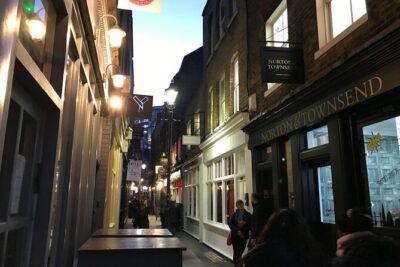
London: The Original Jack the Ripper Walking Tour
Read our review →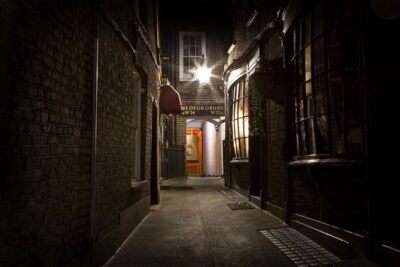
London Jack the Ripper Guided Tour with Ripper-Vision
Read our review →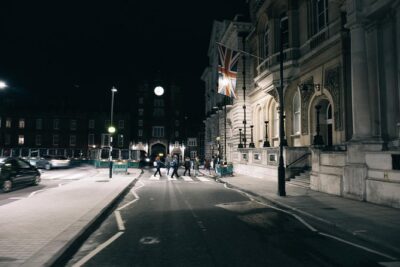
Ghost, Ghouls and Gallows Tour : Guided Tour with Boat Ride
Read our review →
London: Jack the Ripper Tour with Immersive Ripper Vision
Read our review →
German Language : Original Jack the Ripper Tour
Read our review →Browse the lists this tour appears in