
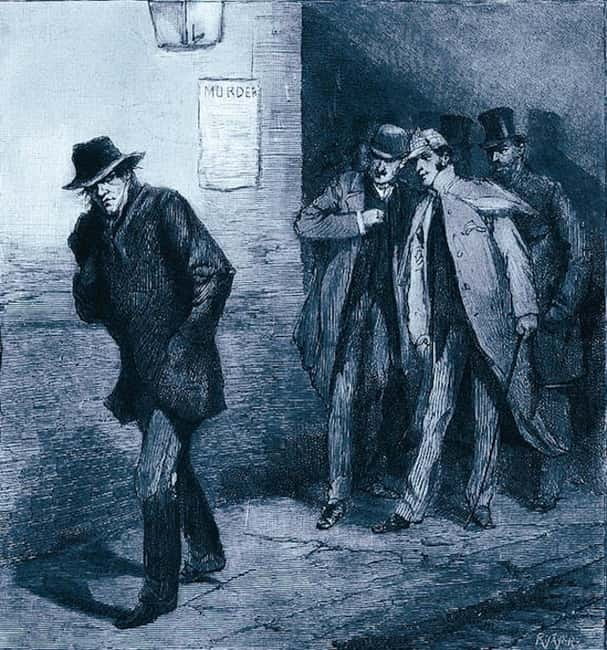
Review · LONDON
London: Dr Blood’s Immersive Jack the Ripper Walking Tour
The most unusual thing about Dr Blood’s Jack the Ripper Tour is its mix of serious historical research and live theatre. Your guide stays in character, uses period visuals, and leads you through Whitechapel in chronological order rather than offering a loose collection of gruesome tales.
I like the fact that the route covers all six murders currently linked to Jack the Ripper, with five actual locations included. I also like the small-group format, capped at 25 people. On one evening, guide Jack led a group of only five, which made it easier to ask questions and gave the walk a more personal feel.
The main drawback is the subject itself. This is a tour about brutal crimes and vulnerable people, not a light London ghost walk. Add two hours on foot, outdoor conditions in every kind of weather, and a minimum age of 14, and you have an experience best suited to mature visitors.
Key points at a glance
- Six murders in chronological order: The tour covers every murder currently attributed to Jack the Ripper, not only the best-known cases.
- Five actual crime locations: You visit the places connected with the murders while also seeing other sites tied to the police, press, and local community.
- Actor-guides in period costume: Guide Jack has been praised for his character work, clear delivery, and ability to answer questions naturally.
- A route through 16 locations: The walk begins outside Whitechapel Station and ends near Aldgate East, crossing the old streets of the East End.
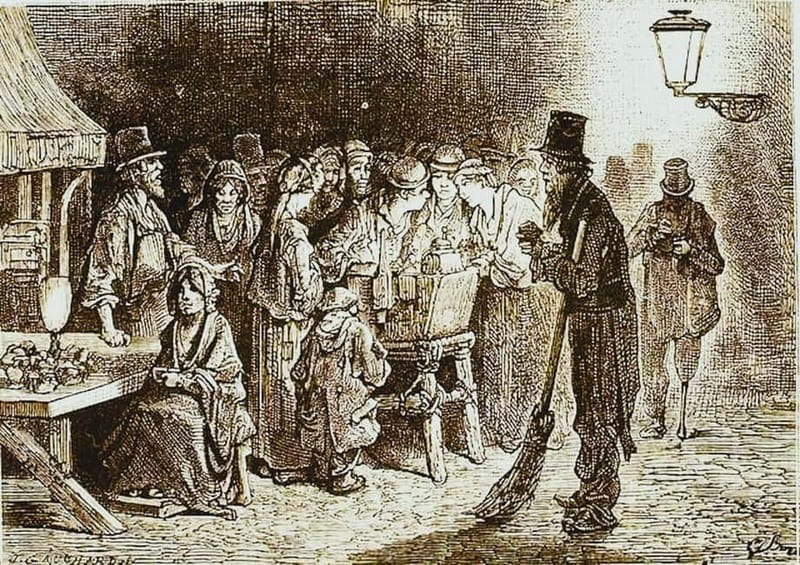
- Useful visual material: The aptly named Book of Misery helps explain the people and events without relying on spoken details alone.
- Good value at $25: Two hours, a specialist guide, a limited group size, and a focused historical route make the price reasonable for central London.
Starting at Whitechapel Station
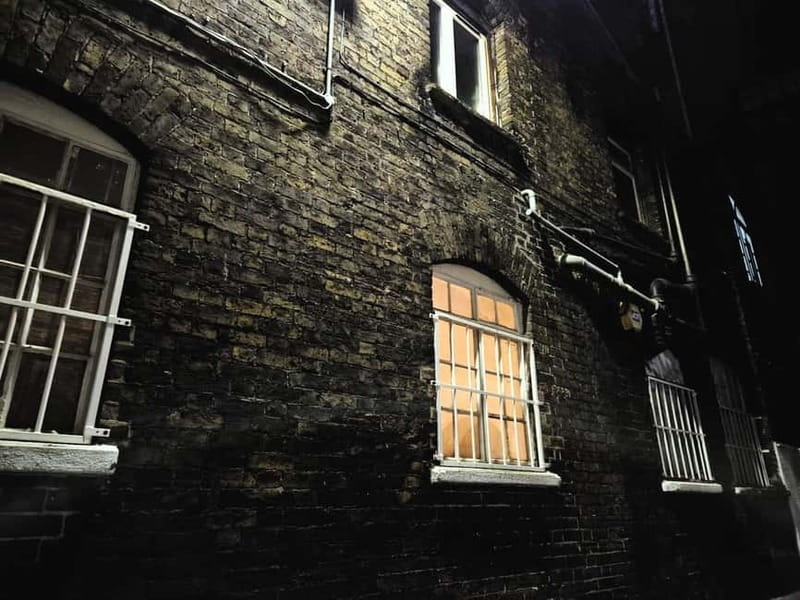
Your meeting point is the Durward Street exit of Whitechapel Station. The guide waits directly across the street, so you should have little trouble finding the group, though it is worth checking that you are using the correct station exit.
From the start, the setting matters. Whitechapel is not a museum display built around a vanished story. It is a working part of London, and the tour uses its streets to explain what the area was like in 1888. You are walking through a modern city while listening to an account of a very different society.
The guide sets the tone in costume and character. That theatrical choice can make the story easier to follow, especially at the opening, when you are learning the names of people, places, police officers, newspapers, and victims. It also gives the walk a clear identity that a standard history lecture would not have.
Still, you should know what you are booking. The acting is part of the appeal, but the tour is not simply a performance. The guide also explains research, police problems, social conditions, and the limits of what can actually be known about the crimes.
More Ghost Walking Tours in London
- London: The Original Jack the Ripper Walking Tour
★ 4.7 · 7,833 reviews - London Jack The Ripper Guided Walking Tour
★ 5.0 · 3,131 reviews - London: Jack the Ripper Evening Walking Tour
★ 4.9 · 1,449 reviews
Following the six murders in order
The route presents the events of 1888 chronologically. That is one of the tour’s strongest features because it gives you a timeline instead of a pile of disconnected stories.
You move from one location to the next while the guide explains how the cases developed. The story includes all six murders currently attributed to the Ripper, with five actual murder locations visited along the route. The sixth case is included in the wider account, even though the walk does not take you to six separate crime scenes.
That distinction is useful. You are not being promised a stop at every single site. Instead, you get a two-hour route that combines the key murder places with other locations that help explain the wider story.
At each stop, expect the guide to connect the physical location with the people involved. The focus is not only on the killer. You also learn about the victims, the police response, the newspapers, and the society that shaped Whitechapel at the time.
The material is grim, but the chronological structure keeps it from becoming a simple parade of gore. You can see how one case affected the next, how public fear grew, and how the police faced a crime pattern unlike anything they had handled before.
Five crime sites and eleven other locations
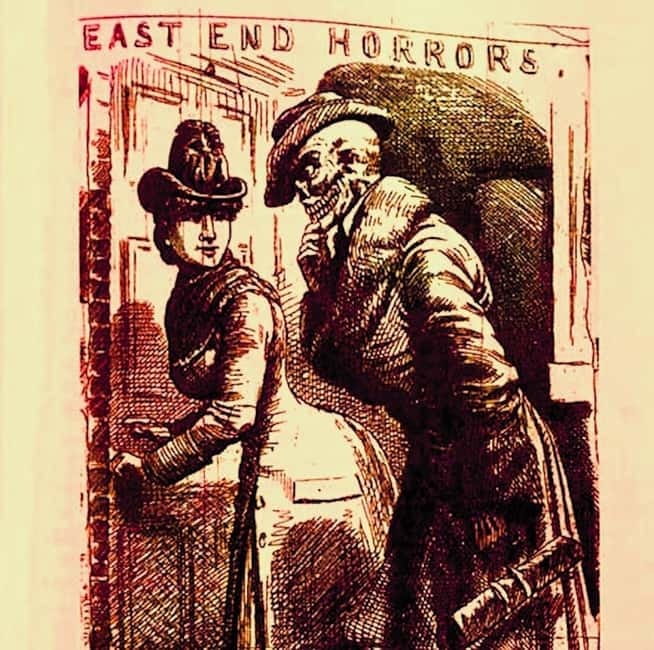
The tour visits at least 16 locations in total. Five are actual murder sites, while the rest relate to the streets, institutions, people, and public response surrounding the cases.
The five crime locations are the emotional center of the walk. You are shown where particular events took place, then given enough context to understand why that spot mattered. Since the route is outdoors and the modern city has changed, you should not expect every place to look as it did in 1888.
That gap between past and present is part of the experience. The guide’s job is to help you picture the old East End without pretending that the buildings and streets have remained untouched. Period visuals from the Book of Misery add support, giving you something to look at while the guide explains what cannot be seen in the present-day street.
The other stops help widen the story. You learn about the police and their difficulties, the newspapers that reported and shaped public fear, and the local population living under hard conditions. This makes the walk more useful than a route focused only on locations where bodies were found.
If you want a tour that gives you a list of sites and little else, this may feel more detailed than necessary. If you want to understand why the crimes caused such alarm, the extra locations are what give the route its value.
The victims beyond the headlines
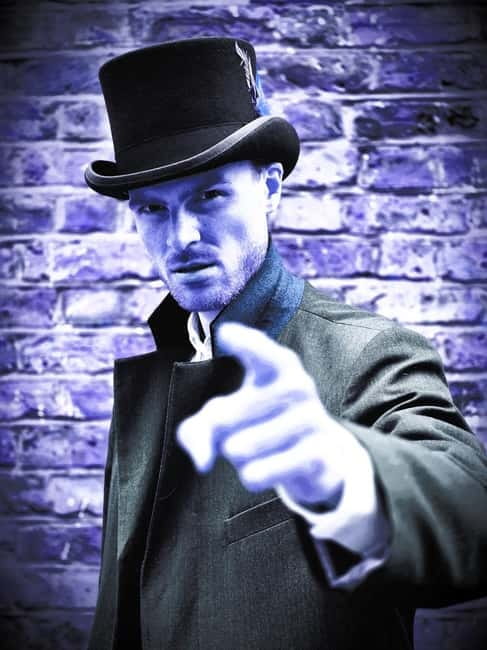
A major strength of the tour is its attention to the victims and the people of Whitechapel. The subject can easily turn into a mystery game centered on the unknown killer. Dr Blood’s route gives more space to the people caught up in the events.
You learn about the victims’ lives and the social conditions around them. That focus matters because it avoids treating the murders as only a puzzle. The crimes happened within a poor community facing difficult circumstances, and the tour uses that setting to explain the risks and pressures of daily life.
The guide also discusses society and the changes that followed. According to the tour’s presentation, these dreadful crimes helped bring positive changes that still affect modern life. The point is not to make the murders sound beneficial. It is to show how public pressure, police problems, newspaper coverage, and concern for the poor could lead to wider reforms.
I find this broader view more useful than trying to guess the killer’s identity. You leave with a better sense of how Victorian London worked, not just another theory about Jack the Ripper.
More Ghost Walking Tours in the UK
- London: Ghost Walk and River Thames Boat Ride
★ 4.5 · 1,251 reviews - London Jack The Ripper Small-Group Walking Tour
★ 5.0 · 1,013 reviews - Ghastly Ghost Walking Tour in London
★ 5.0 · 878 reviews - London: Ghastly Ghosts 2-Hour Walking Tour
★ 4.9 · 794 reviews
Police, newspapers, and public fear
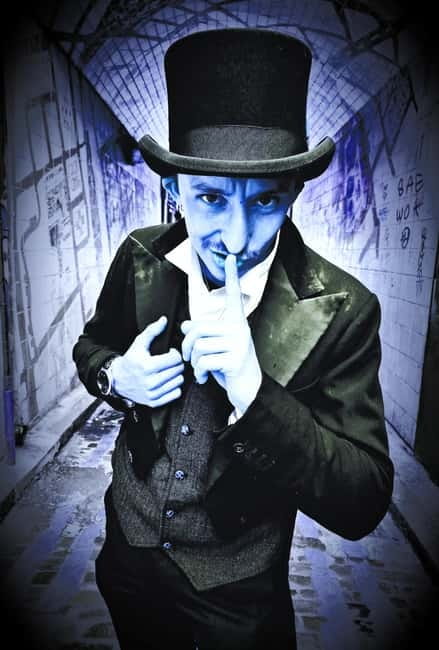
The police sections give the tour its practical backbone. The guide explains the difficulties officers faced when confronted with a series of brutal crimes that did not fit familiar patterns.
You hear about the pressure placed on the police and the way the cases were handled in public. The newspapers also receive proper attention. Their role was not simply to report facts. They helped shape the mood around the murders and contributed to the fame that still surrounds the case.
This part is especially helpful if you already know the basic Ripper story. You may have heard the names and theories before, but the walk shows how police work, public opinion, and newspaper reporting interacted.
The actor-guide format works well here. Jack, one of the guides, has been praised for speaking naturally rather than sounding as if he is reciting a fixed script. One particularly strong touch was his ability to read a letter without looking at it, though the larger point is that he used performance to bring historical material to life.
That style will not suit everyone. Some people prefer a quiet academic explanation without character work. Others will appreciate the way the guide keeps the group engaged while moving between stops.
The Book of Misery and the use of visuals
The tour makes extensive use of visuals from its Book of Misery. That is useful on a nighttime walking route, when the modern streets alone may not give you enough clues about the past.
The images help you follow the people and events as the guide moves through the story. They also give the presentation a more structured feel. Instead of listening to two hours of spoken detail, you get visual reference points along the way.
The title is deliberately bleak, and the material can be disturbing. You should not expect a sanitized presentation. At the same time, the visuals serve a purpose beyond shock. They help connect the victims, the newspapers, the police, and the locations.
Because audio recording is not allowed, you need to pay attention during the walk or make notes afterward. The restriction keeps the tour focused on the live experience, but it may disappoint you if you hoped to record the guide’s explanations for later.
What the actor-guide approach adds
The guides are professional actors, and the performance element is central to the tour. Costumes and character help create a sense of occasion, particularly after dark when the streets already feel different from their daytime appearance.
Guide Jack has received especially strong praise for being friendly, approachable, and able to answer questions. He has also been described as well informed about both the Ripper case and other parts of London culture and history.
The performance is not locked into a stiff script. That matters because questions can change the pace of a walk. A guide who can respond naturally makes a small group feel more like a conversation than a formal presentation.
Weather can affect the costume. On one rainy evening, Jack could not wear the full outfit, but the tour still worked because the explanation and character remained strong. You should treat the costume as a bonus rather than the entire reason to book.
The tone includes a few laughs along the way. That may sound surprising given the subject, but a little relief can help during a heavy two-hour account. The humor does not change the nature of the crimes. It simply keeps the presentation from becoming relentlessly grim.
Walking conditions, group size, and value
The tour lasts two hours and covers a substantial amount of ground. Comfortable walking shoes or boots are essential. The route runs in all weather, so check the forecast and dress for rain, wind, or cold before leaving.
The maximum group size is 25. That is not tiny, but it is more manageable than a large crowd moving through narrow streets. A group of five, including the guide, can feel much more intimate and gives you more room to ask questions. Your group may be larger, so do not assume every departure will have the same personal feel.
At $25 per person, I consider the tour fairly priced for London. You are paying for a full two-hour specialist walk, an actor-guide, historical visuals, and a route covering 16 locations. The value is strongest if you care about the social and police history as much as the crimes.
It is less suitable if you want a quick, cheap stroll past a few famous spots. The route earns its price through detail and presentation, not through grand buildings or museum admission.
You can reserve now and pay later, and cancellation is free up to 24 hours before the tour for a full refund. Those terms are useful if your London plans may shift, though you still need to choose a time when you can commit to two hours outdoors.
Who should book this Whitechapel walk?
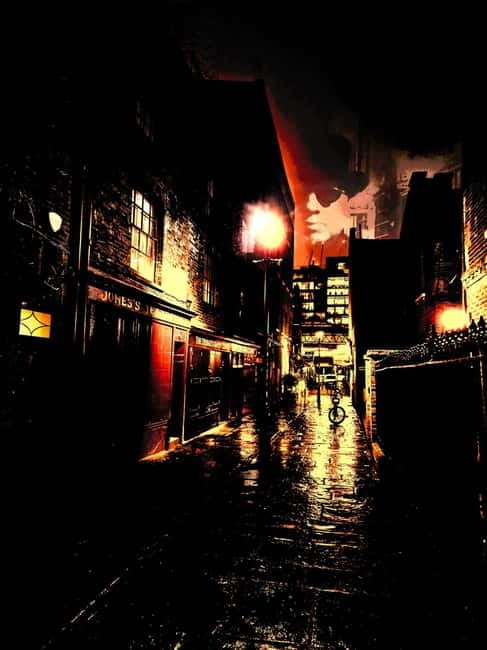
I would recommend it to adults and older teenagers who already have an interest in Victorian London, true crime, police history, or theatrical walking tours. The minimum age is 14, and that limit feels sensible given the subject matter.
It suits you especially well if you want:
- A complete account covering all six attributed murders
- Actual crime locations rather than only general neighborhood history
- A guide who can perform, explain, and answer questions
- A small-group experience with plenty of walking
- A wider look at victims, police, newspapers, and social change
I would be more cautious if you dislike graphic material, period costumes, or dramatic storytelling. This is also not a practical choice for anyone using a mobility scooter, electric wheelchair, non-folding wheelchair, or bicycle. Unaccompanied minors are not permitted, and alcohol and drugs are prohibited.
The tour is offered in English with a live English-speaking guide. No other language option is provided in the information available.
Should you book Dr Blood’s Jack the Ripper Tour?
Book it if you want more than a murder-mystery walk. The complete six-case timeline, five actual crime locations, 16-stop route, period visuals, and attention to victims and social change make this a serious two-hour look at Whitechapel.
The best reason to choose it is the guide format. Jack’s friendly delivery, strong character work, and natural answers show how much the experience depends on the person leading it. You get theatre, but you also get context.
Skip it if you want a gentle sightseeing stroll or a short introduction to the area. This is a nighttime walk through a difficult subject, in all weather, with a fair amount of walking. For the right audience, though, $25 buys a focused and memorable way to understand one of London’s most troubling stories.
FAQ
Where does the tour meet?
Meet outside the Durward Street exit of Whitechapel Station. The guide will be directly across the street.
Where does the tour finish?
The walk ends on Brushfield Street, just off Commercial Street, a few minutes from Aldgate East Tube Station.
How long does the tour last?
The tour lasts two hours.
How many murder cases does the tour cover?
It covers all six murders currently attributed to Jack the Ripper.
How many actual murder locations will I visit?
The route visits five actual murder locations and at least 16 locations connected with the wider story.
Is the tour suitable for children?
The tour is not suitable for children under 14. Unaccompanied minors are not allowed.
What should I wear?
Wear comfortable walking shoes or boots. The tour runs in all weather, so check the forecast and dress appropriately.
Is cancellation available?
Yes. You can cancel up to 24 hours in advance for a full refund. You can also reserve now and pay later.
More Jack the Ripper Tours in London
- London Jack the Ripper Guided Tour with Ripper-Vision
★ 4.5 · 4,840 reviews - London: Jack the Ripper Small Group Tour
★ 4.7 · 3,159 reviews - London: Jack the Ripper Tour with Immersive Ripper Vision
★ 4.5 · 1,840 reviews - German Language : Original Jack the Ripper Tour
★ 4.6 · 1,805 reviews
Freshly reviewed haunts around London
- Visit Jack the Ripper in French★ 5.0 · 33 reviews
- Ghosts, Gore & Other Ghasty Stories in the City of London★ 5.0 · 7 reviews
- The Haunted Pubs of Old London: Small Group Tour★ 5.0 · 38 reviews
- Afternoon Jack the Ripper : Guided Tour★ 5.0 · 183 reviews
- Wicked Whitechapel: Where Now’s Jack The Ripper Audio Tour★ 5.0 · 2 reviews
- The Fading Light London Ghost Walk★ 5.0 · 35 reviews
- The Ghosts of the secret alleyways of old London town★ 5.0 · 2 reviews
- Dark History of the Tudors: Private Tour of Hampton Court Palace★ 5.0 · 10 reviews
London Ghost Tours, compared.
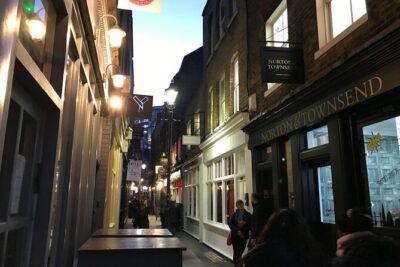
London: The Original Jack the Ripper Walking Tour
Read our review →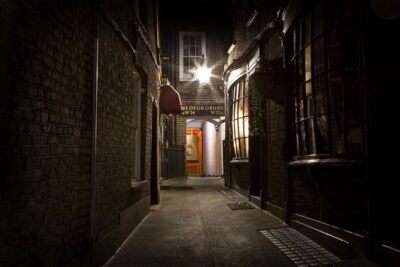
London Jack the Ripper Guided Tour with Ripper-Vision
Read our review →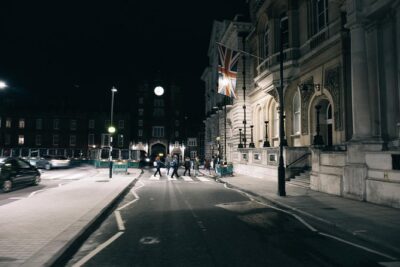
Ghost, Ghouls and Gallows Tour : Guided Tour with Boat Ride
Read our review →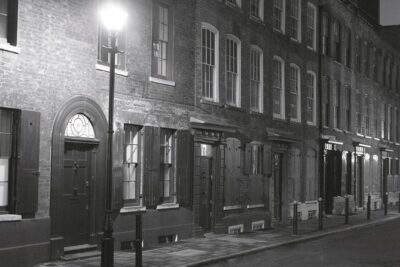
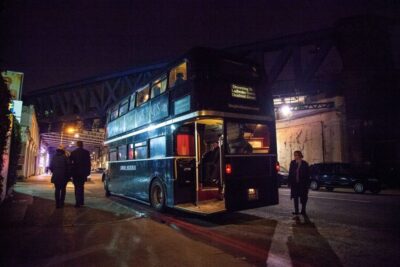
London: Jack the Ripper Tour with Immersive Ripper Vision
Read our review →
German Language : Original Jack the Ripper Tour
Read our review →Browse the lists this tour appears in