
Review · GREECE
Athens Ghost Walk: Mystical Ruins & Ancient Legends
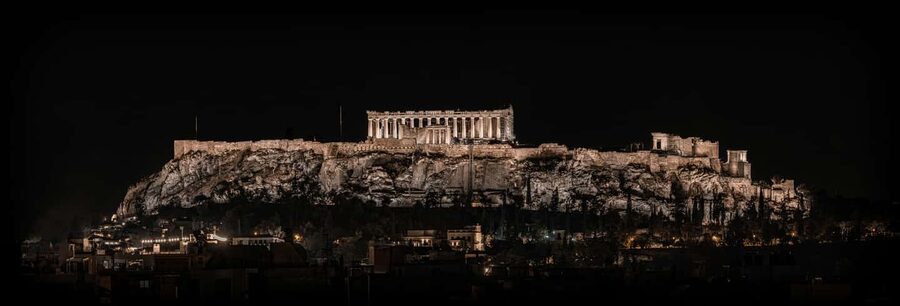
Athens changes character after sunset. On this small-group ghost walk, ancient cemeteries, ruined forums, shadowed lanes, and the Acropolis area become a setting for stories about spirits, myths, rituals, and old urban legends. The tour mixes real archaeological history with a spooky storyteller’s mood, rather than treating the city as one big haunted-house act.
I like the limited group of 10 because it gives you room to hear the guide and ask questions. I also like the final card reading, an unusual touch that gives the evening a personal finish. The main drawback is that entry to the archaeological sites is not included, so you should expect to view the monuments from outside rather than tour their interiors.
Key Points Before You Book
- Kerameikos begins the story: Start beside one of Athens’ ancient burial grounds, where the tone turns eerie right away.
- Six major Athens stops: The route links the Ancient Agora, Hadrian’s Library, the Roman Agora, Plaka, and the Acropolis area before ending at the Odeon of Herodes Atticus.
- Lantern-led atmosphere: Dim light, pauses, and whispered storytelling create the mood without relying only on jump scares.
- A personal card reading: Your guide provides a specialized reading as part of the experience.
- Small groups matter: With no more than 10 participants, you can connect with the guide and ask about the stories.
- Good value for a themed walk: At $36 per person, the price includes the guide and card reading, but not archaeological entry fees.
Why Athens Works So Well After Dark
Athens is full of monuments that were built for public life, debate, worship, trade, theater, and burial. At night, those same places feel less like textbook subjects and more like settings with unfinished stories.
That is the clever idea behind this walk. You are not simply hearing ghost tales in a modern neighborhood. You pass through places linked to philosophers, Roman officials, merchants, mourners, medieval legends, and religious rituals. The supernatural material gives you one way to look at the ruins, while the historical details keep the tour grounded.
The mood comes from the guide’s delivery. Expect pauses, lowered voices, and lantern light rather than a fast parade of facts. Beyla has led several of the listed departures, and Emese has also guided the walk. Both are praised for bringing feeling and humor to the stories while answering questions along the way.
The tour is offered in English, Arabic, French, and Spanish. Check the selected departure carefully, since the guide language matters more than usual on a storytelling walk.
More Ghost Story Tours in the world:
- Prague: Ghost Walking Tour Where Legends Come To Life
★ 4.4 · 5,253 reviews - Prague: Ghosts, Legends, Medieval Underground & Dungeon Tour
★ 4.3 · 5,104 reviews - Prague: Ghosts and Legends of the Old Town Evening Tour
★ 4.5 · 3,091 reviews
Meeting at the Pompeion Propylon

The meeting point is at the Pompeion Propylon, beside the archaeological site. Look for the map of the archaeological area, a large stone, and stairs. That is where the group meets.
This is a useful place to arrive a little early. The meeting instructions are clear once you know what to look for, but a dark archaeological area is not the sort of place where you want to search while the guide is gathering the group. Have the meeting point open on your phone, and allow enough time to reach it on foot.
The tour lasts 90 minutes to two hours, depending on the departure and the pace of the group. The route is a walking circuit through central Athens, so wear comfortable shoes. The experience is atmospheric, but it is still an urban walk with uneven historic surfaces and outdoor stops.
Kerameikos: A Strong Opening Among the Tombs
The walk begins at the ancient Kerameikos Cemetery, one of the best places in Athens to establish the tour’s mood. Tombs and mausoleums make the subject of death immediate, and the setting gives the guide a natural way to discuss how earlier Athenians understood the boundary between the living and the dead.
This opening is more effective than beginning with a generic ghost story. The cemetery gives the evening a real historical base. You can look at the remains while listening to stories about spirits, burial customs, and the people who once passed through this part of the city.
The stop is also a good reminder that the tour is not promising proof of the supernatural. It uses ancient beliefs and local folklore to help you see familiar ruins differently. If you want a serious archaeological lecture, the tone may feel too theatrical. If you enjoy myths placed beside real monuments, the balance should work well.
The Ancient Agora and the Whisper of Socrates
From Kerameikos, the route continues toward the Ancient Agora, once the civic heart of Athens. This was a place for public meetings, political life, commerce, and philosophical debate. The tour connects the ruins with stories of Socrates and the idea that old voices still linger among the stones.
You will learn about the place from outside rather than enter the archaeological site. That distinction matters. The Agora is one of Athens’ most rewarding sites in daylight, when you can walk among its remains and visit its museum, but this evening experience focuses on the atmosphere around it and the tales attached to the setting.
I like this part because the historical context keeps the ghost stories from floating free of the city. The old philosophical world becomes part of the mood. A pause near the ruins can make the setting feel more intimate than it does during the daytime rush, even though you should not expect a private archaeological visit.
More Ghost Walking Tours in the world:
- New Orleans Premier Ghost, Voodoo and Vampire Walking Tour
★ 4.5 · 12,856 reviews - Chicago: Gangsters and Ghosts Walking Tour
★ 5.0 · 7,155 reviews - Savannah History and Haunts Candlelit Ghost Walking Tour
★ 5.0 · 3,235 reviews - Ghosts of Charleston Night-Time Walking Tour with Unitarian Church Graveyard
★ 4.5 · 2,835 reviews
Hadrian’s Library and the Echoes of Learning
The next stop is Hadrian’s Library, a Roman-era complex built under Emperor Hadrian. Its name suggests quiet study, but the site also recalls the public life of ancient Athens, where books, ideas, trade, and politics crossed paths.
Here, the guide brings in stories about scholars, old conversations, and possible conspiracies. The ruins are especially suited to this kind of narration because their surviving walls and columns hint at a much larger building that has disappeared.
Again, you view the site from outside, since admission is not part of the $36 price. That keeps the walk affordable, but it also means you will not examine the remains at close range. If you plan to visit Hadrian’s Library during the day, this tour can add an evening layer to a site you have already seen in a more conventional way.
The Roman Agora and Ancient Conspiracies
The Roman Agora adds another setting with a slightly different feel. It was part of the city’s later public and commercial life, and the guide uses it to move the story from classical Athens into the Roman period.
Expect tales of merchants, scholars, old rivalries, and hidden plots. The word conspiracy here belongs to the storytelling style, not to a promise that the guide will reveal secret historical facts. You are getting a blend of documented places, traditional legends, and imaginative interpretation.
This stop works best if you enjoy connections across time. Athens is not presented as one frozen classical city. The route lets you think about how the same streets and public spaces changed under different rulers and communities.
Plaka’s Narrow Streets and Later Ghost Stories
Plaka gives the walk a change of pace. Instead of standing beside a large archaeological site, you move through older urban lanes associated with medieval ghosts, Byzantine spirits, and modern folklore.
This may be the most accessible part of the experience for people who enjoy local legends. The stories feel closer to everyday life because they are attached to streets rather than distant ruins. You are still in central Athens, but the narrow lanes and low evening light make the city feel more secretive.
The guide’s personality matters here. Beyla is described as warm, expressive, and good at responding to questions. That helps because a folklore walk can become flat if the guide simply recites prepared tales. A small group gives you a better chance to ask where a story came from or how it fits into Athens today.
Keep your expectations sensible. This is not a theatrical haunted attraction with actors, special effects, or guaranteed supernatural encounters. The pleasure comes from the setting, the delivery, and the possibility of seeing ordinary streets through an older, stranger lens.
Around the Acropolis as Daylight Fades
The route circles the base of the Acropolis, where myths, rituals, and philosophical ideas come together. The Acropolis is an obvious Athens landmark, but the walk approaches it from a darker angle, focusing on the stories and beliefs that grew around the sacred hill.
This section gives the tour its broadest sense of time. You move from burial grounds to civic spaces, Roman monuments, medieval tales, and the ancient religious world associated with the Acropolis. The guide uses the fading light to connect those layers without turning the walk into a standard sightseeing lecture.
You will not climb the Acropolis as part of the stated route. That is worth noting if you are hoping for a nighttime summit visit. Instead, the value is in the views, the atmosphere, and the stories told around the base.
Ending at the Odeon of Herodes Atticus
The final stop is the Odeon of Herodes Atticus, an ancient theater that still carries associations with music, performance, tragedy, and public spectacle. It is a fitting place to end because the entire walk has treated Athens as a stage where old voices are still being performed.
The tour includes a specialized card reading from the guide. This is the feature that most clearly separates the experience from a standard evening city walk. It shifts the focus from ancient legends to something more personal and immediate.
The reading is part of the tour price, so you do not need to pay an extra fee for it. The exact feel will depend on your guide and your comfort with card readings. If you enjoy symbolic or mystical activities, it can be a memorable final scene. If you prefer strictly historical touring, you may see it as a playful extra rather than an essential part of the evening.
One practical note: the supplied route ends at the Odeon of Herodes Atticus. A booking description also places a card reading in the theater area near the Acropolis, so confirm the exact final spot with the guide when you meet.
What $36 Buys You
At $36 per person, this is priced above a basic free walking tour but below many longer paid sightseeing excursions. The fee covers a live guide, the small-group format, and the specialized card reading.
The value depends on what you want from the evening. You are paying for storytelling, atmosphere, and personal interaction rather than admission to several monuments. Since site entry is not included, add the cost of any separate daytime visits you plan to make.
For me, the small group is the strongest part of the price. A 10-person limit helps the guide keep the tone quiet and personal. It also means you are less likely to lose the story in a crowd. The card reading adds something distinctive, especially if you have already spent your day on conventional museum and ruin visits.
You can reserve now and pay later, and cancellation is free up to 24 hours before the activity for a full refund. Those terms are useful if your Athens schedule depends on weather, arrival time, or other evening plans.
Who Will Enjoy This Walk Most
I would choose this tour if you like ancient history but also enjoy folklore, legends, and a touch of theatrical suspense. It suits couples, friends, and solo visitors who want a guided evening activity that feels different from a restaurant stop or a standard monument tour.
It also works well for repeat visitors. If you have already seen the Acropolis and Agora in daylight, the lantern-lit route gives you a new way to think about places you recognize.
Families with older children may enjoy it, depending on their interest in ghost stories. The tour is not described as a children’s program, and the subject matter centers on death, spirits, and darker legends. Younger children who dislike spooky stories may not be the best match.
You should also choose another tour if you want extensive archaeological detail, interior access, or a formal lecture. This experience favors mood and storytelling. Its strongest moments come from the meeting of real places and imaginative tales.
Small Details That Improve the Evening
Wear shoes suited to a long city walk and arrive early at the Pompeion Propylon. Bring the meeting instructions with you, since the map, stone, and stairs are the key landmarks.
Pick a departure language that suits you best. English, Arabic, French, and Spanish are offered, but the quality of a story-heavy tour depends on how comfortably you understand the guide’s pacing and humor.
If you want to visit the Ancient Agora, Hadrian’s Library, or the Roman Agora from inside, plan those visits separately. This walk passes the sites and explains their place in Athens, but entrance tickets are not included.
Finally, go in with the right frame of mind. You are not booking a paranormal investigation. You are booking a guided evening of ancient places, whispered folklore, local legends, and a card reading at the finish.
Should You Book the Athens Ghost Walk?
Book it if you want Athens after dark, prefer a small group, and like your history served with myths and mystery. Beyla and Emese have both been singled out for warm, engaging storytelling, and the 10-person limit supports the personal feel this tour promises.
Skip it if your priority is entering every archaeological site or getting a dense academic account of ancient Athens. For everyone else, $36 is a fair price for a focused evening walk with a clear identity. The strongest reason to go is not fear. It is the chance to see familiar Athens as a city of tombs, philosophers, theaters, rituals, and stories that refuse to stay buried.
FAQ
How long does the Athens Ghost Walk last?
The tour lasts between 90 minutes and two hours. Starting times vary, so check availability for the date you want.
Where does the tour begin?
It begins at the Pompeion Propylon. Look for the archaeological site map, a large stone, and stairs.
Where does the tour finish?
The stated finish is the Odeon of Herodes Atticus, near the Acropolis area.
Are entrance tickets to the archaeological sites included?
No. Entry to the Ancient Agora, Hadrian’s Library, the Roman Agora, and other archaeological sites is not included.
Is the card reading included?
Yes. A specialized card reading from the guide is included in the activity.
How large is the group and which languages are available?
The group is limited to 10 participants. The tour is offered in English, Arabic, French, and Spanish.
Freshly reviewed haunts around the world
- New Orleans French Quarter Dark History, Haunts, and Laughs Tour★ 5.0 · 30 reviews
- New Orleans’ Finest Haunted Pub Tour★ 4.5 · 38 reviews
- Cheers New Orleans! Cocktails, History, Voodoo & Paranormal Tour★ 4.0 · 4 reviews
- Haunted Drunken History Tour from New Orleans★ 5.0 · 135 reviews
- The Original Asbury Park Ghost Tour★ 4.5 · 29 reviews
- Destrehan Plantation Haunted Night Tour★ 4.5 · 100 reviews
- New Haven’s Ghost Walk★ 3.5 · 69 reviews
- Ghosts of Tonopah Haunted History GPS/APP Smartphone guided Walking Tour outside★ 4.5 · 7 reviews
Greece Ghost Tours, compared.
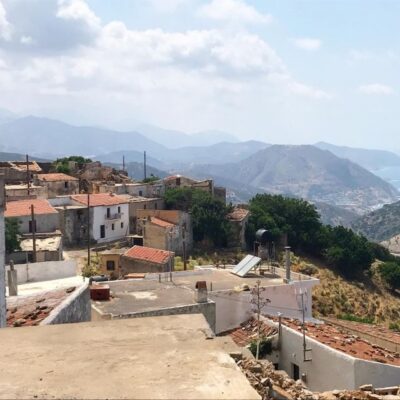
Crete: Quad Safari, Olive Mill with Tasting & Ghost Village
Read our review →
Agia Pelagia: Sunset or Morning Quad Tour & Ghost Town Visit
Read our review →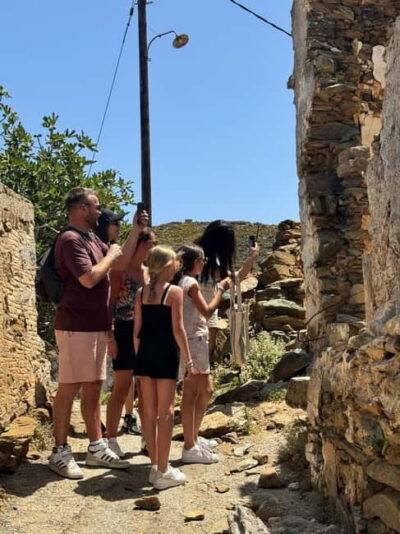
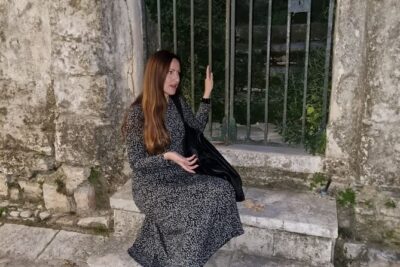
Corfu Ghost Stories, Dark Legends & Facts Night Tour
Read our review →
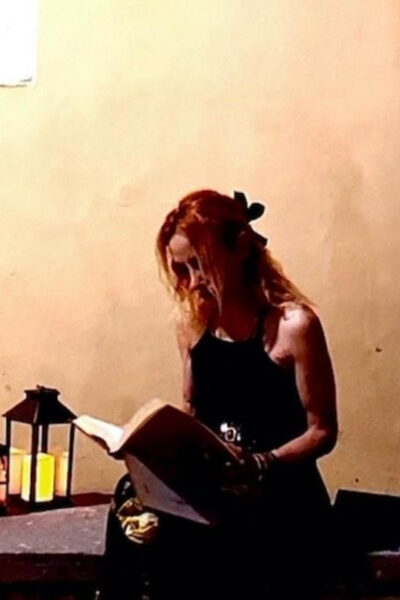
Kalamata: Paranormal Walking Tour in the historical center
Read our review →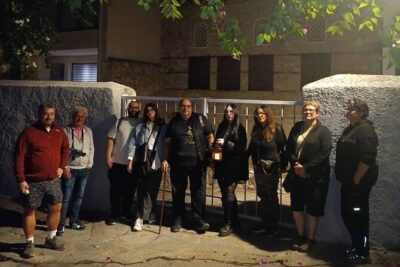
Browse the lists this tour appears in