Review · LONDON
Interactive Jack the Ripper Night Walk: London’s Murder Mystery
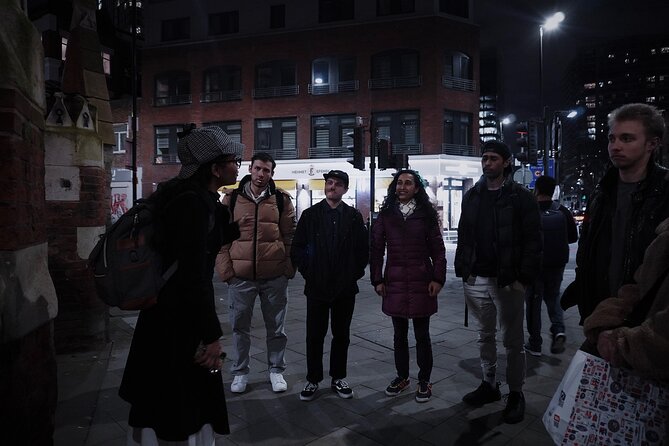
Jack the Ripper’s identity remains unknown, but the streets tied to the case are still here. This walk takes you through Whitechapel and Spitalfields after dark, from Brick Lane to Mitre Square, using old reports, photographs, and local clues to turn a familiar London neighborhood into a murder mystery. I like the real streets and surviving alleys, and I like that the tour gives proper attention to the women caught in the story. The main drawback is that you finish in a different part of London, so you need to plan your way back.
I also like the guide-led storytelling. Tyson has been praised for remembering names and drawing people into the discussion, while Sadie has a spirited, respectful way of telling the women’s stories. The walk costs $22.99, which is fair for two and a half hours of guiding, though the experience depends heavily on how clearly your guide can be heard in busy streets.
Key points about the Whitechapel night walk
- Seven linked stops: Follow a route through Brick Lane, Princelet Street, Puma Court, the Ten Bells, Gunthorpe Street, Goulston Street, and St Botolph’s Aldgate.
- A mystery built around evidence: Examine the bloodied apron fragment, chalk message, police reports, and competing ideas about the killer’s identity.
- Victims remain part of the story: The walk gives space to Annie Chapman, Martha Tabram, Catherine Eddowes, and other women whose lives were shaped by Victorian poverty.
- A manageable group size: The maximum is 25 people, small enough for questions but large enough to feel like a group tour.
- Guides make a real difference: Tyson, Sadie, Lisa, and Jess have each been praised for different strengths, including humor, patience, strong preparation, and engaging storytelling.
- A point-to-point route: Begin at St Marys Whitechapel Church Memorial and finish at Mitre Square, not back at the starting point.
Why this London murder mystery works after dark
The appeal here is not simply the name Jack the Ripper. It is the chance to walk through the actual East End streets connected to the case and see how close daily life once sat to danger, poverty, churches, pubs, and crowded housing.
Whitechapel in the late 19th century was not just a backdrop for crime. It was a place where low wages, insecure housing, alcohol, poor sanitation, and limited protection for women shaped everyday choices. A good guide helps you see that wider setting instead of treating the murders as a string of spooky stories.
The after-dark timing adds atmosphere, but it also changes the practical feel of the tour. Narrow passages and old streets look different under streetlights, and places such as Puma Court can feel suitably unsettling. You should expect mood and suspense, but this is still a walking tour with historical explanation, not a theatrical haunted-house show.
The mystery format gives the route a clear purpose. At each stop, you gather another piece of the case, consider what investigators knew, and decide how much weight to give each clue. The final answer remains uncertain, which is part of the point. You are not being handed a tidy solution that history cannot support.
More Dark History Tours in London
- Jack the Ripper: Night Murder Mystery Walking Tour in London
★ 5.0 · 79 reviews - Jack the Ripper Tour: Murder, Mystery, & the Women of Whitechapel
★ 5.0 · 40 reviews - Jack the Ripper: Solve the Crime Walking Tour (Kids Free!)
★ 4.5 · 36 reviews
Starting at St Marys Whitechapel Church Memorial
The walk begins at St Marys Whitechapel Church Memorial, at Unnamed Road, London E1 1FE. This is an important detail because the route does not loop back to this location.
From the start, you move into an area where religious institutions, pubs, alleys, and working-class neighborhoods existed close together. St Botolph’s Aldgate later shows the more protective side of that setting, while the other stops reveal how exposed many women were.
I would arrive ready to walk for two and a half hours without a return break at the starting point. The supplied information does not list a vehicle transfer, so you should treat this as a continuous walking experience. Comfortable shoes are a sensible choice, and an evening tour means you should check the weather before setting out.
Brick Lane and the world behind the case
Brick Lane is now known for street art and curry houses, but the walk uses it to explain the area’s earlier poverty and crime. That contrast is useful. You are not seeing a preserved Victorian slum, but you can begin to understand how dramatically East London has changed.
The guide connects crime and desperation to the lives of people who lived here. This is where the tour should feel broader than a killer hunt. The murders did not happen in a vacuum, and the social setting helps explain why some women were particularly vulnerable.
The planned time here is about 17 minutes. That is enough for a focused explanation, but not enough for a long neighborhood tour. If you want to explore Brick Lane’s food and street art, plan another visit before or after the walk rather than expecting this experience to cover both.
Princelet Street and Annie Chapman
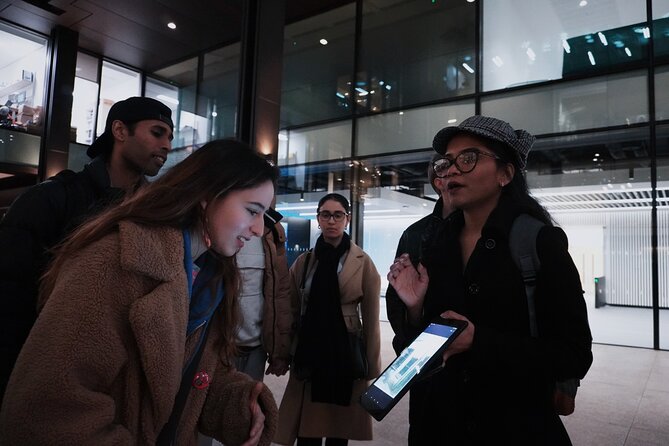
Princelet Street offers one of the most atmospheric parts of the route. Its cobbled surface and older appearance give you a better sense of the built environment associated with 1880s East London.
The stop is tied to Annie Chapman and to the movements linked with the case. That connection gives the discussion a human center. Instead of hearing only about clues and suspects, you consider the life of a woman whose name is often reduced to a case file.
The value of this stop depends on the guide’s care. Sadie, for example, has been praised for telling the women’s stories in an empowering and spirited way. That approach matters. It keeps the tour from turning real deaths into simple entertainment.
You can expect roughly 17 minutes here. The street itself is a visual aid, not a museum exhibit, so the guide’s photographs and reports do much of the work.
More Dark History Tours in the UK
- Jack The Ripper Tour : Solve The Crime
★ 4.5 · 28 reviews - Dark History of the Tudors: Private Tour of Hampton Court Palace
★ 5.0 · 10 reviews - Jack the Ripper Walking Tour: Murder, Mystery, & the Women
★ 4.2 · 6 reviews - The murders of Jack the Ripper with a pub
★ 5.0 · 2 reviews
Puma Court and the unease of narrow spaces
Puma Court is described as one of the eeriest alleys on the route. Its narrow setting gives the guide a natural chance to explain why victims were so vulnerable in quiet corners and poorly lit passages.
This is one of the stops where the night setting matters most. In daylight, you might notice architecture and modern surroundings first. After dark, the same confined space supports the mood of the story.
Still, the atmosphere should not replace facts. The strongest version of this stop connects the physical setting to the social conditions of the period, rather than simply trying to frighten you. The listed time is about 17 minutes, enough for a short explanation and questions.
Because a narrow alley can make group listening harder, stay close to the guide. One practical weakness raised about the experience is volume. At least one participant found it difficult to hear everything, so do not drift to the back if you want every detail.
The Ten Bells and the victims’ last known hours
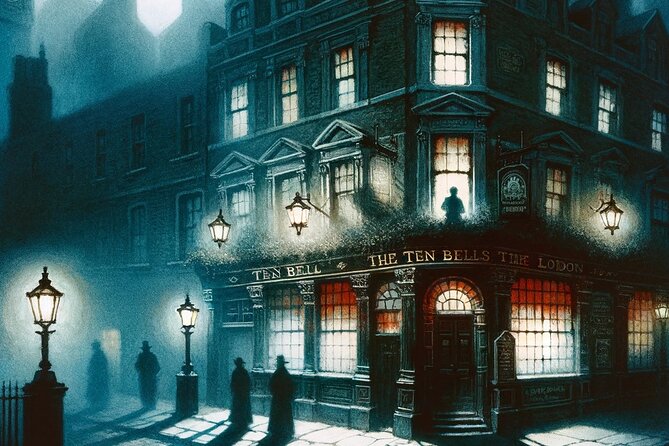
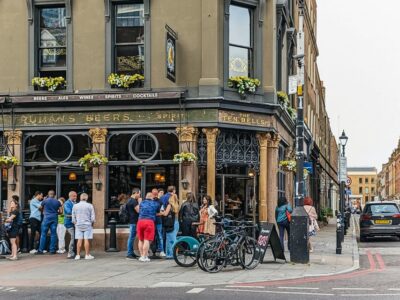
The Ten Bells is one of the best-known locations on the walk. The group gathers outside the historic pub to discuss its connection with several victims and their final known hours.
This stop works because it links an ordinary public place with the case. A pub is not an abstract crime-scene label. It helps you picture the routine movement of people through the neighborhood and the limited choices available to women working or sleeping rough.
The tour does not list admission inside the pub. You should expect an exterior stop, not a pub visit included in the ticket. That keeps the route moving, though anyone hoping for a drink or a look inside should arrange that separately.
Again, the planned stop lasts about 17 minutes. A guide who can keep the facts clear without overplaying the horror will make this one of the more useful sections of the walk.
Gunthorpe Street and the disputed Martha Tabram case
Gunthorpe Street is connected with Martha Tabram, who was murdered there. She is not officially counted among the canonical Ripper victims, but many people believe she may have been the killer’s first victim.
This is a good example of how the tour handles uncertainty. The case contains firm facts, disputed links, and later theories. You should expect the guide to separate those categories rather than present every claim as proven.
Martha Tabram’s inclusion also widens the story. It reminds you that violence against women in the area was not limited to the five murders most often associated with Jack the Ripper. The route asks you to consider how investigators decided which deaths belonged to the same pattern.
The stop lasts about 17 minutes. It is likely to appeal most to visitors who enjoy weighing evidence and competing interpretations, not just hearing a dramatic narrative.
Goulston Street and the most debated clue
At Goulston Street, the guide discusses a bloodied piece of apron and a chalk message found after the double murder. These details became some of the case’s most disputed evidence.
This is where the murder mystery format comes into its own. You can consider what the clue might mean, how investigators reacted, and why historians still argue over its importance. The mystery is not solved by one piece of writing on a wall, and the guide can show you how fragile the evidence really was.
The stop also connects the two murders with the wider police investigation. The group is not only following the killer’s supposed route. You are looking at how fear spread through London and how investigators tried to make sense of incomplete information.
Expect another 17-minute stop. If you enjoy old photographs and reports, this section should be especially useful. A previous participant specifically appreciated receiving old images and reports as part of the experience, so ask your guide about the available material.
St Botolph’s Aldgate, shelter beside danger
St Botolph’s Aldgate adds a different note to the route. The church stood at the edge of Whitechapel and provided shelter to many women during the Victorian era.
That contrast matters. The walk is not only about murder scenes and ominous alleys. It also points to places where people sought help, food, safety, or a temporary refuge. The church was close to areas of danger, which shows how little distance separated protection from hardship.
This stop helps prevent the tour from becoming too narrow. You get a sense of the local support system, even if it was limited and imperfect. It also gives the guide a chance to discuss the women as people living within a wider community.
As with the other locations, the listed stop time is about 17 minutes. The route then continues toward its final location, Mitre Square.
Mitre Square and the difficult final stop
The walk finishes at Mitre Square, where Catherine Eddowes was murdered. The violence of the crime shocked London and remains one of the darkest parts of the case.
Ending here gives the route a strong sense of place and consequence. You have spent the evening learning about the neighborhood, the victims, and the clues. At the final stop, the story narrows to one crime scene and the lasting uncertainty around what happened.
This is not a cheerful ending, and it should not be treated lightly. The subject includes murder, poverty, and violence against women. I would not choose this walk for young children or anyone who finds true crime upsetting, though the supplied information says most people can participate.
The finish is at Mitre Square, EC3A 5DE. Since you do not return to St Marys Whitechapel Church Memorial, check your onward route before the tour begins. That small piece of planning will make the end of the evening much easier.
Guides, group size, and the value of the experience
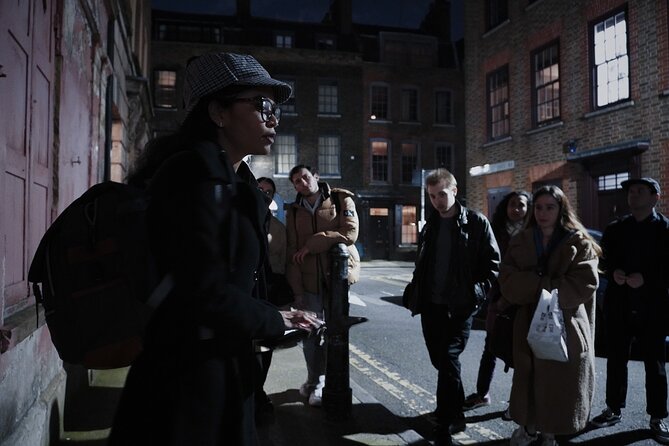
The guide is the biggest variable. Several names appear in the feedback connected with this experience, including Tyson, Sadie, Lisa, and Jess. Tyson has been praised for keeping people involved, remembering names, and answering questions. Sadie has been singled out for giving the women’s stories an energetic and respectful voice. Lisa has helped with practical questions, while Jess has been described as funny, patient, and well prepared.
That range suggests the tour is not delivered in one fixed style. Your guide may lean toward suspense, social history, humor, or close discussion of the evidence. The common thread should be clear storytelling and an ability to manage a walking group.
The maximum group size is 25. That is not a private walk, but it is still more manageable than a large city tour. You should be able to ask questions, though the volume issue is worth remembering. Stay near the guide and speak up if you cannot hear.
At $22.99 per person, I consider the tour good value if you want a focused evening activity. You receive about two and a half hours of guiding across seven locations, with no separate attraction admission listed. The price is less attractive if you already know the case well and mainly want access to historic buildings, since most of the experience takes place outdoors and the ticket does not include entry to the Ten Bells.
A private upgrade is available if you want a more personal pace or more room for questions. Group discounts are also offered, which can help if you are booking with family or friends.
Who should book this Whitechapel walk
I would recommend it to first-time London visitors who enjoy unusual neighborhood walks, true crime, and social history. It also suits repeat visitors who have seen the major sights and want an evening route with a clear theme.
You will get the most from it if you:
- Enjoy weighing clues instead of needing a final answer.
- Are comfortable walking outdoors after dark.
- Want to hear about the victims and the wider conditions of Victorian East London.
- Can manage a point-to-point route that ends away from the start.
- Prefer a live guide to reading a self-guided crime walk.
I would think twice if you dislike grim subject matter, need a fully quiet setting for detailed listening, or want a tour that returns to its starting point. The experience is also less suitable if your main goal is visiting the inside of historic pubs or buildings, since the listed stops are outdoor locations.
Booking tends to happen well ahead of time, with the average reservation made 36 days in advance. That suggests you should not leave it until the last evening of a short London stay, especially if you want a particular date.
Should you book it?
Book this walk if you want a reasonably priced, atmospheric way to see Whitechapel through a specific story. The best parts are the real streets, the disputed evidence, and the effort to give the victims more than a passing mention.
Go in expecting a guided outdoor mystery, not a solved case or a polished stage performance. Stay close enough to hear, wear sensible shoes, and plan your route home from Mitre Square. For $22.99, this is a strong choice for curious visitors who enjoy history with a darker edge.
FAQ
How much does the Interactive Jack the Ripper Night Walk cost?
The tour costs $22.99 per person. Group discounts are available, and you can also upgrade to a private tour.
How long does the tour last?
The walk lasts approximately two hours and 30 minutes.
What language is the tour offered in?
The experience is offered in English.
Where does the tour begin?
It begins at St Marys Whitechapel Church Memorial, Unnamed Road, London E1 1FE, UK.
Where does the tour finish?
The final stop is Mitre Square, London EC3A 5DE. The walk does not return to the starting point.
How many people can join the tour?
The maximum group size is 25 people.
Can most people participate?
Yes. The activity information says most people can participate.
Can I cancel for a full refund?
Yes. You can cancel at least 24 hours before the experience start time for a full refund. Cancellations or changes made within 24 hours are not refunded or accepted.
Murder mystery nights around London
- Jack the Ripper Escape Room Game for Private Group
★ 5.0 · 253 reviews - Escape Room: Escape Hunt Dubai – Jack The Ripper
★ 5.0 · 95 reviews - Witch House Escape Room in Las Vegas
★ 5.0 · 90 reviews - DTLA Murder Mystery Ghost Tour
★ 4.5 · 64 reviews
More Jack the Ripper Tours in London
- London: The Original Jack the Ripper Walking Tour
★ 4.7 · 7,833 reviews - London Jack the Ripper Guided Tour with Ripper-Vision
★ 4.5 · 4,840 reviews - London: Jack the Ripper Small Group Tour
★ 4.7 · 3,159 reviews - London Jack The Ripper Guided Walking Tour
★ 5.0 · 3,131 reviews
Freshly reviewed haunts around London
- Ghosts, Gore & Other Ghasty Stories in the City of London★ 5.0 · 7 reviews
- Visit Jack the Ripper in French★ 5.0 · 33 reviews
- The Haunted Pubs of Old London: Small Group Tour★ 5.0 · 38 reviews
- Afternoon Jack the Ripper : Guided Tour★ 5.0 · 183 reviews
- Wicked Whitechapel: Where Now’s Jack The Ripper Audio Tour★ 5.0 · 2 reviews
- The Fading Light London Ghost Walk★ 5.0 · 35 reviews
- The Ghosts of the secret alleyways of old London town★ 5.0 · 2 reviews
- Dark History of the Tudors: Private Tour of Hampton Court Palace★ 5.0 · 10 reviews
London Ghost Tours, compared.
London: The Original Jack the Ripper Walking Tour
Read our review →
London Jack the Ripper Guided Tour with Ripper-Vision
Read our review →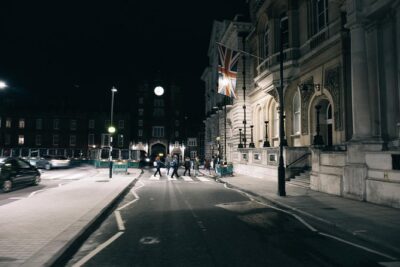
Ghost, Ghouls and Gallows Tour : Guided Tour with Boat Ride
Read our review →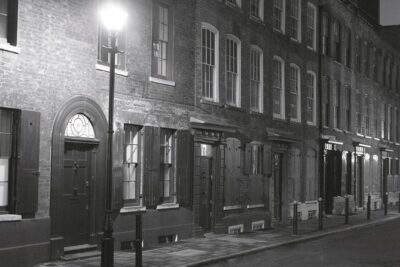
London: Jack the Ripper Tour with Immersive Ripper Vision
Read our review →