Review · VIENNA
Vienna: Spooky Ghost Tour in English
Vienna’s grand center looks polished by day, but after dark its cobblestones, imperial walls, and cathedral corners take on a different mood. This 90-minute English walk brings out the city’s grisly legends, from Countess Bathory’s infamous bathtub story to the question of who lies beneath St. Stephen’s Cathedral.
I like the lively storytelling, especially from guides such as Lisa, whose humor and high energy help keep the subject light. I also like the route’s useful mix of ghost tales and city history. The main drawback is price: at $28, it costs more than a simple stroll, and the cobblestones can be tiring for some wheelchairs, strollers, or anyone in poor shoes.
Key points at a glance
- Countess Bathory’s bloody legend: Hear the grim story behind the famous bathtub question and separate old legend from the historical setting.
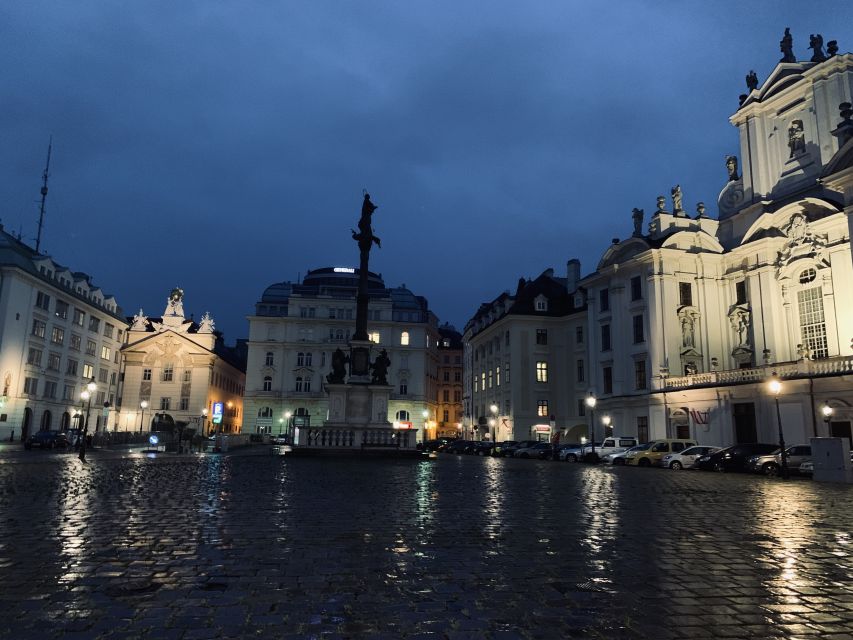
- A night walk through central Vienna: The route links Helmut Zilk Square, imperial streets, Blood Alley, and St. Stephen’s Cathedral.
- Two phantom operas: Vienna’s music-loving image gets a spooky twist with stories about two ghostly opera figures.
- Family-friendly but still macabre: Children can enjoy the theatrical stories, though the subject includes murder, executions, corpses, and blood.
- Guides make the difference: Lisa is often praised for her comic timing, warmth, and animated delivery, while Trim and Luis have also led well-received tours.
- Good first-evening activity: The walk gives you historical context and extra ideas for places to visit later in your stay.
Vienna after dark, with the polished surface peeled back
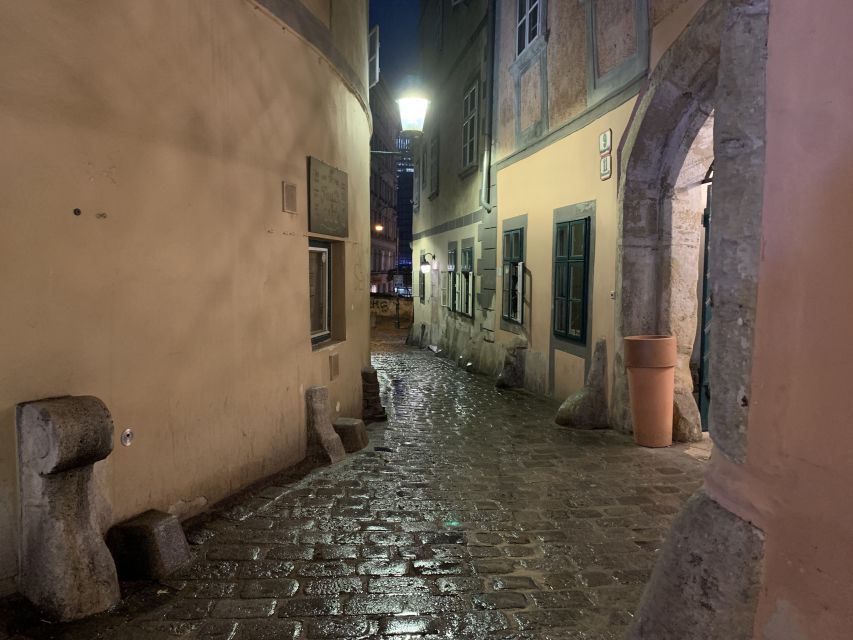
Vienna is usually sold through music, palaces, coffeehouses, and imperial ceremony. This tour takes a different route. You still see the central sights, but you hear about the crimes, punishments, strange deaths, burial customs, and old fears attached to them.
That change of angle is the real value. You are not simply walking from one landmark to another while someone recites dates. The stories give familiar places a second meaning. A square becomes the site of an old public spectacle. A cathedral becomes a place connected with both worship and restless spirits. A narrow lane earns its ominous name.
The tone is spooky rather than terrifying. The tour is described as suitable for all ages, and the strongest feedback points to a playful, cheerful approach. Still, you should expect talk of murder, executions, blood, bones, and death. Young children who dislike ghost stories may not enjoy it, but several families have found the material manageable, including one group with a 10-year-old and another with a 7-year-old.
Other ghost walks and hunts we rate around the world
- New Orleans Premier Ghost, Voodoo and Vampire Walking Tour
★ 4.5 · 12,856 reviews - The World Famous Underground Ghost Tour
★ 4.5 · 9,272 reviews - Chicago: Gangsters and Ghosts Walking Tour
★ 5.0 · 7,155 reviews
Starting at Helmut Zilk Square
The meeting point is Helmut Zilk Platz in Vienna’s first district. Look for the memorial against war and fascism. The guide waits on the left side, under a red-and-white-striped umbrella.
This is a useful starting point because the walk begins in a serious part of modern Vienna, then moves into older stories and darker legends. The contrast works well. Vienna’s past is not only aristocratic balls and famous composers. It also includes war, violence, punishment, illness, and public fear.
The square can be busy, so arrive with enough time to locate the memorial and the umbrella. Since the group walks through the inner city, you do not need a separate transfer between the meeting point and the main route. Wear shoes that handle uneven paving. The tour runs in rain or shine, so an umbrella and suitable clothing matter more than they might on a palace visit.
The historic center as a storybook of crimes and ghosts
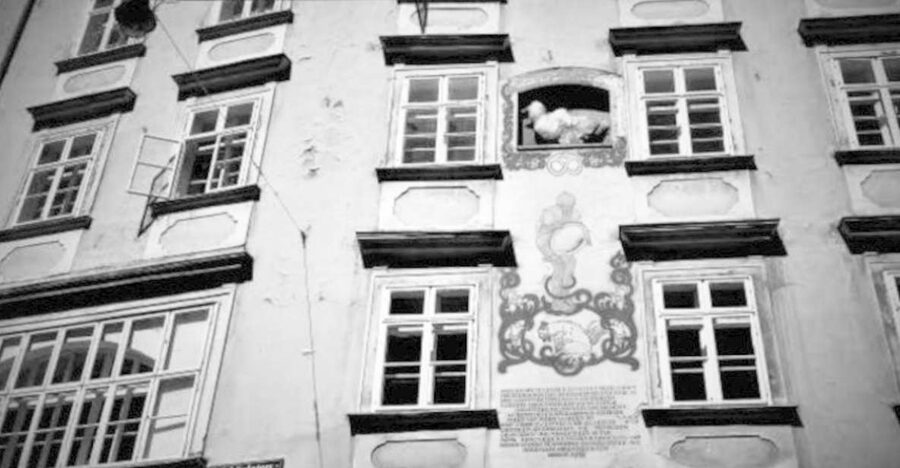
The central walk lasts about an hour and a half. The exact order and emphasis can vary with the guide, but the advertised route includes haunted cobblestoned lanes, the imperial palace area at night, St. Stephen’s Cathedral, Blood Alley, and other central locations.
I like this format because the setting does part of the work. Vienna’s first district is compact, and moving through it on foot lets you connect the stories to real streets and buildings. You are not sitting in a dark room hearing spooky anecdotes detached from the city. You are standing near the places that gave those tales their shape.
The walk also gives you small details you might otherwise miss. One account includes stories about old murders, executions, a bakery killing, the mixing up of famous musicians’ bones, and bells rung to check if someone was truly dead. These are the kinds of unsettling details that do not usually appear on a standard highlights tour.
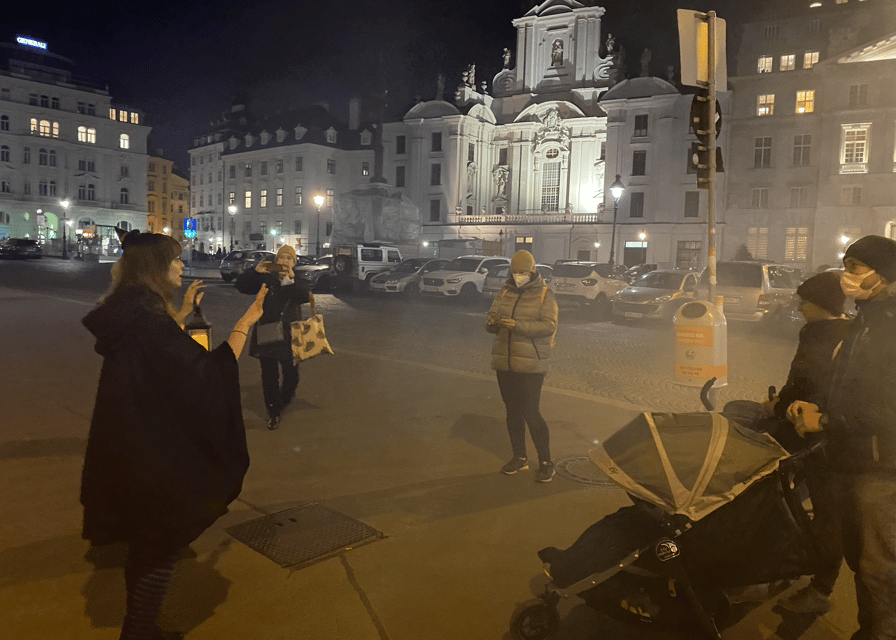
Do not expect a museum-style lecture at every stop. The guides use questions, jokes, dramatic pauses, and direct interaction. That makes the history easier to follow, though the experience depends partly on the guide’s delivery. Lisa is especially associated with an energetic style, and many visitors found her easy to hear and engaging. Other guides named in feedback include Trim and Luis.
Blood Alley and Vienna’s darker legends
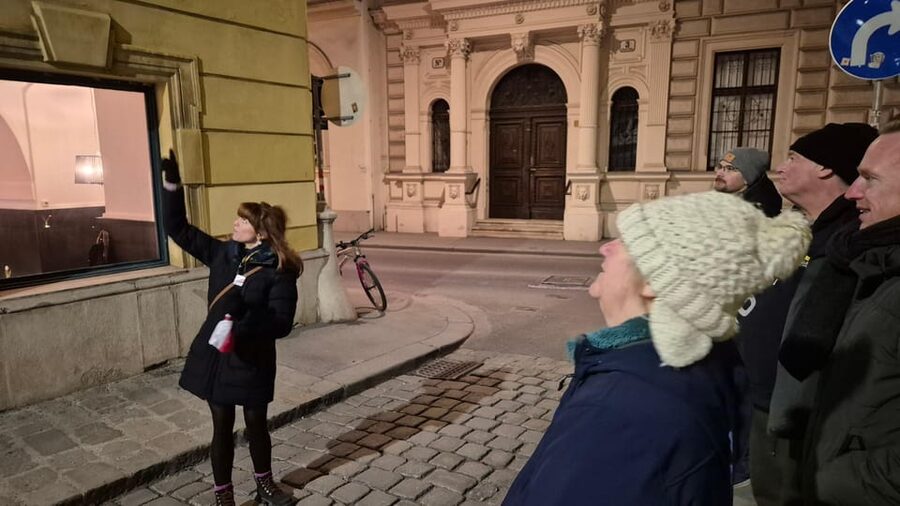
Blood Alley is one of the route’s most memorable names. The tour uses places like this to explain how old stories grow around real events, grim reputations, and changing city life.
The Countess Bathory story is another major hook. You will hear the familiar question about how many bodies were needed to fill a bathtub with blood. The story is gruesome, but it also opens a discussion about aristocratic power, historical rumor, and the way frightening figures survive in popular memory.
This is not a forensic or academic investigation into every legend. The appeal is the atmosphere and the connection between folklore and place. If you want a strict separation between documented fact and later storytelling, ask questions during the walk. The guides welcome interaction, and the best way to enjoy a ghost tour is to keep an open mind without treating every apparition as settled history.
The lighter delivery helps here. The subject matter can be bleak, but the guides use humor to keep the walk from becoming oppressive. You get the spooky material without spending 90 minutes in a grim mood.
Same old streets, another story to hear:
- Edinburgh: Haunted Underground Vaults and Graveyard Tour
★ 4.6 · 6,607 reviews - Adults-Only New Orleans Ghost, Crime, Voodoo, and Vampire Tour
★ 5.0 · 6,545 reviews - Prague: Ghost Walking Tour Where Legends Come To Life
★ 4.4 · 5,253 reviews - Prague: Ghosts, Legends, Medieval Underground & Dungeon Tour
★ 4.3 · 5,104 reviews
The imperial palace at night
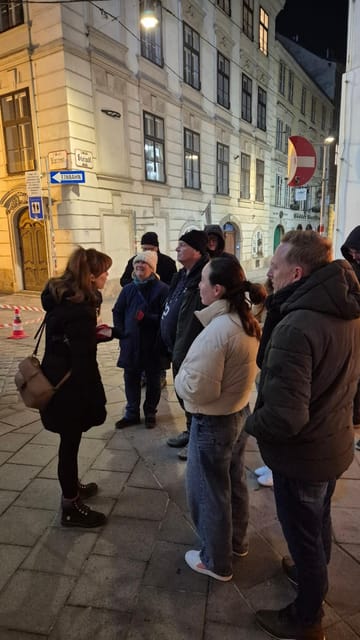
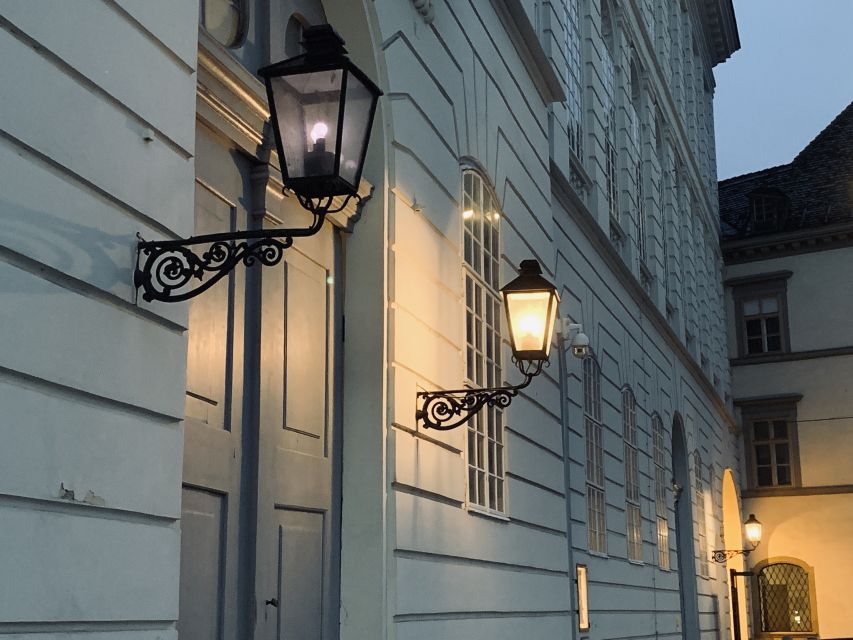
The imperial palace area has a natural theatrical quality. By day, the buildings suggest ceremony, wealth, and Habsburg power. At night, the same streets support stories about secrets, death, and people who never quite left.
The tour does not promise entry into palace interiors. This is an outdoor walking experience, so you should think of the palace as part of the route and atmosphere rather than a palace tour. That is useful if you have already visited the interiors and want a different way to understand the complex.
I especially like this part for visitors who want history with a little edge. The stories help balance Vienna’s formal image. The city’s rulers and famous residents appear not only as portraits on walls, but as people surrounded by ambition, rivalry, illness, ritual, and rumor.
St. Stephen’s Cathedral and the people beneath it
The walk ends at St. Stephen’s Cathedral, one of Vienna’s most recognizable landmarks. Here, the focus turns to those buried beneath or connected with the cathedral and the spirits said to linger around it.
The advertised question is simple: who is buried underneath St. Stephen’s Cathedral? The answer leads into the city’s burial customs and the role of the cathedral as more than a beautiful church. It is also a place tied to generations of worshippers, powerful families, musicians, and the dead.
Ending here makes practical sense. You finish in the heart of central Vienna, close to other sights, restaurants, and public transport. It also gives the tour a strong final setting. The cathedral is imposing even in daylight. At night, its stonework and surrounding streets suit the final ghost stories far better than a bright, open square would.
The tour ends outside rather than promising cathedral admission. Plan your cathedral interior visit separately if you want to see it from within.
Why Vienna has two phantom operas
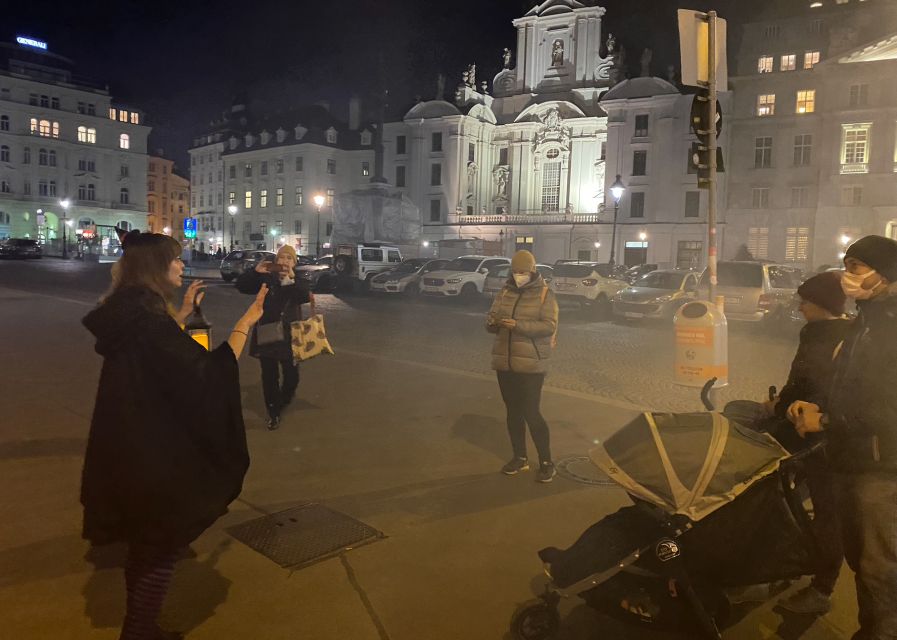
Vienna’s connection with music is famous, but this tour adds a strange twist by asking why the city has two phantoms of the opera.
The story is a good example of the tour’s wider approach. You get a familiar part of Vienna’s identity, then see how it connects with ghost lore and theatrical tradition. The subject should appeal to you if you enjoy music history but want something less polished than a concert or museum visit.
This section also shows why the experience is more than a collection of random ghost stories. The route ties legends to the city’s strongest themes: imperial power, religion, music, public punishment, and death. You leave with a slightly stranger picture of Vienna, which is exactly what this kind of walk should do.
How the guide shapes the evening
The guide matters a great deal on a story-led walk. A flat delivery would make even the best legend feel like a list of facts. Here, the strongest feedback centers on enthusiasm, clear English, humor, audience interaction, and strong storytelling.
Lisa receives particular praise for keeping the group involved, answering questions, and adding practical suggestions for other places to see in Vienna. She is also noted for making the walk enjoyable for families and for maintaining a good pace. Trim and Luis have also led tours that visitors found engaging and professional.
You cannot choose a specific guide with certainty from the information provided, so book this experience for the format and route rather than a guaranteed personality. Still, the guide’s role is a clear strength. The most effective moments come when a story is acted out through tone and timing rather than simply read aloud.
The group also appears to be comfortable for questions. One account describes a small group where everyone could ask things along the way. Group size is not fixed in the tour details, so do not assume every departure will be intimate.
Is $28 a fair price?
At $28 per person, this is not the cheapest way to see Vienna’s center. You can walk many of the same streets for free, and a standard self-guided route costs nothing beyond your time.
The price makes more sense if you value context and performance. You get 90 minutes with a state-certified Austria Guide, a planned route, English narration, and a collection of stories that would be difficult to assemble quickly on your own. The guide also helps you notice details and places you might walk past.
I would call it fair value for a visitor who enjoys guided walks, especially if this is your first evening in Vienna. Several people used the tour to get their bearings and then followed up on the guide’s suggestions. The value is weaker if you dislike group activities, already know Vienna’s first district well, or want only documented history with no folklore.
One direct criticism of the price has appeared, so budget-conscious visitors should weigh it against free walking options. For a special date night or a first-night activity, the unusual theme may justify the cost. For a family of four, the total adds up quickly.
Walking comfort, weather, and access
The tour is wheelchair and stroller friendly, but the route includes many cobblestones. That means access is possible, yet the surface may be uncomfortable or slow. If you use a wheelchair or stroller, allow extra time and expect uneven movement.
The walk runs in all weather. Bring an umbrella when rain is possible, and dress for the temperature rather than the calendar. Evening conditions can feel colder once you stop at several points to listen.
The pace appears manageable for a wide range of ages. One older couple in their sixties had no trouble keeping up, while parents reported that children stayed engaged. Even so, this is a walking tour, so comfortable shoes are essential.
The tour is in English only. The guide speaks English throughout, and one family used brief pauses to translate the stories for relatives. If someone in your group is not comfortable following English for 90 minutes, the experience may be frustrating.
Who should book this ghost walk?
I would choose this tour if you like local legends, unusual history, evening walks, and guides who perform rather than simply lecture. It is also a smart pick if you have already seen Vienna’s main palaces and churches and want a different angle on the center.
Families can book it, provided children are comfortable with macabre subjects. Couples may find it a fun alternative to a standard date night, especially because the walk mixes humor with eerie stories rather than relying on jump scares.
It is less suitable if you want a serious supernatural investigation, a private tour, or extensive access inside buildings. The route is outdoors, the tone is friendly, and the history is presented through legends as well as documented events.
Should you book Vienna’s Spooky Ghost Tour?
Book it if you want to see Vienna’s center through stories of blood, bones, ghosts, executions, music, and old fears. The route is compact, the finish at St. Stephen’s Cathedral is convenient, and the 90-minute length fits neatly into an evening.
I would schedule it early in your stay. The guide may point you toward other unusual sights, and the walk gives you a better sense of where to return during daylight. Bring good shoes, dress for the weather, and expect the atmosphere to be playful rather than truly frightening.
Skip it if $28 feels high for a walking tour or if your group wants only conventional history. For everyone else, especially anyone with a taste for the macabre, this is a memorable way to meet Vienna’s less polished side.
FAQ
Where does the Vienna ghost tour start?
It starts at Helmut Zilk Platz in Vienna’s first district, in front of the memorial against war and fascism. The guide waits on the left side and carries a red-and-white-striped umbrella.
Where does the tour finish?
The walk finishes at St. Stephen’s Cathedral.
How long is the ghost tour?
The guided walk lasts 90 minutes, or one and a half hours.
What language is the tour in?
The tour is conducted in English.
How much does the experience cost?
The listed price is $28 per person.
Is the tour suitable for children?
It is described as family-friendly and appropriate for all ages. The stories still include murder, blood, executions, corpses, and other macabre subjects, so consider your child’s comfort with ghost stories.
Is the tour wheelchair accessible?
Yes, the tour is wheelchair accessible and stroller friendly. However, the route includes many cobblestones, which may make the walk less comfortable or slower.
Does the tour run in bad weather?
Yes. The tour takes place rain or shine, so bring suitable clothing and an umbrella when needed.
Does the price include a guide?
Yes. The experience includes a state-certified Austria Guide.
Can I cancel the booking?
You can cancel up to 24 hours in advance for a full refund. A reserve-now-and-pay-later option is also available.
Freshly reviewed haunts around the world
- New Orleans French Quarter Dark History, Haunts, and Laughs Tour★ 5.0 · 30 reviews
- New Orleans’ Finest Haunted Pub Tour★ 4.5 · 38 reviews
- Cheers New Orleans! Cocktails, History, Voodoo & Paranormal Tour★ 4.0 · 4 reviews
- Haunted Drunken History Tour from New Orleans★ 5.0 · 135 reviews
- The Original Asbury Park Ghost Tour★ 4.5 · 29 reviews
- Destrehan Plantation Haunted Night Tour★ 4.5 · 100 reviews
- New Haven’s Ghost Walk★ 3.5 · 69 reviews
- Ghosts of Tonopah Haunted History GPS/APP Smartphone guided Walking Tour outside★ 4.5 · 7 reviews
Vienna Ghost Tours, compared.
Vienna: Ghosts and Legends Guided Nighttime Walking Tour
Read our review →
Vienna: German Guided Ghost Tour of Spooky Vienna
Read our review →