
Review · USA
Hilo: Walking Ghost Tour
Hilo’s ghost stories are not imported Halloween tales. They grow from Hawaiian beliefs, Japanese folklore, deadly tsunamis, sacred mountains, and the old town’s layered past. This two-hour walk takes you through central Hilo, from the Wailuku River area to Jackie Rey’s Ohana Grill, using local places to explain ideas such as ʻuhane, wandering spirits, and ʻaumakua, ancestors who became family gods.
I like two things right away. First, the tour connects supernatural stories with Hilo’s real history instead of treating every stop as a cheap scare. Second, the small group, limited to 10 people, should make it easier to hear the guide and ask questions. The main drawback is the weather: the walk runs rain or shine, and Hilo is famously wet, so comfortable shoes and a warm layer matter.
Key points to know before booking
- Local beliefs guide the stories: Learn about ʻuhane, ʻaumakua, moʻo, and akualele within Hawaiian and Japanese traditions.
- The route covers central Hilo on foot: Expect stops around the Wailuku River, the Pacific Tsunami Museum, historic buildings, Kalakaua Park, and downtown storefronts.
- The Merrie Monarch Festival gets a supernatural chapter: The tour includes strange tales linked to Hilo’s famous annual celebration.
- Mauna Kea has a spiritual role: The sacred mountain is discussed as more than a scenic landmark.
- Small groups keep the walk personal: No more than 10 people join the English-language tour.
- The finish is at Jackie Rey’s Ohana Grill Hilo: Hotel pickup is not included, so plan your route to the starting marker near Day-Lum Properties.
Why Hilo makes a good ghost-tour setting
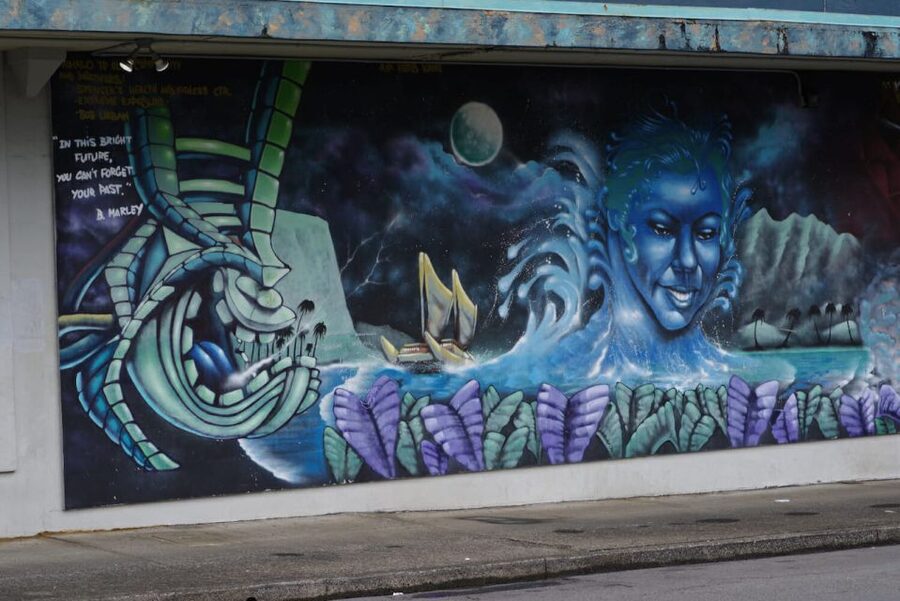
Hilo has an older, quieter feel than many resort areas on the Hawaiian Islands. Its central streets include pre-World War II storefronts, murals, parks, theaters, and buildings that preserve a sense of an earlier town. That gives a walking ghost tour something useful to work with: you are not simply standing in a dark room while someone tells a story.
The route uses Hilo itself as the backdrop. You pass places connected to public life, natural disaster, entertainment, religion, and family memory. The supernatural material is tied to the town rather than presented as a string of unrelated haunted-house tricks.
That distinction matters. Hawaiian ideas about spirits do not always fit the familiar Western image of a ghost. A wandering ʻuhane, an ʻaumakua, and an akualele each carry a different meaning. The tour introduces these terms while showing how local stories can be shaped by death, curses, ancestors, sacred places, and sudden disaster.
You will also hear Hawaiian and Japanese accounts of supernatural encounters. Hilo’s cultural setting makes that mix especially useful. Instead of offering one version of the paranormal, the walk presents different traditions and shows how stories can reflect the beliefs of the people who tell them.
More Ghost Walking Tours in the USA
- New Orleans Premier Ghost, Voodoo and Vampire Walking Tour
★ 4.5 · 12,856 reviews - Chicago: Gangsters and Ghosts Walking Tour
★ 5.0 · 7,155 reviews - Savannah History and Haunts Candlelit Ghost Walking Tour
★ 5.0 · 3,235 reviews
Starting near the Wailuku River
Meet at the historical marker near Coldwell Banker DAY-LUM Properties, at 2 Kamehameha Avenue. The first stop is listed as the Coldwell Banker DAY-LUM Properties location, where you spend about 10 minutes taking in the site and beginning the story.
The route is connected to the Wailuku River area, where you may hear about a moʻo. In Hawaiian tradition, the moʻo is a fierce sacred being, and stories involving one can carry themes of danger, place, and supernatural power. This is an important early stop because it sets the tone for the rest of the walk: the stories are tied to specific parts of Hilo, not just vague claims that the whole town is haunted.
Use this first section to get comfortable with the pace. The tour lasts two hours and includes several stops of roughly 10 minutes each. That means the guide has to balance walking, explanation, and storytelling. You should expect a steady urban stroll rather than a long pause at one location.
The starting area is central, but hotel pickup and drop-off are not included. Allow time to reach the meeting point on your own. Since the group is small, arriving ready at the historical marker is more practical than trying to join while the guide is already moving.
The Pacific Tsunami Museum and spirits after disaster
The Pacific Tsunami Museum is one of the most meaningful stops on the route. You receive about 10 minutes here, with time for a visit and photos. The tour uses the museum to discuss the wandering spirits said to remain after deadly tidal waves.
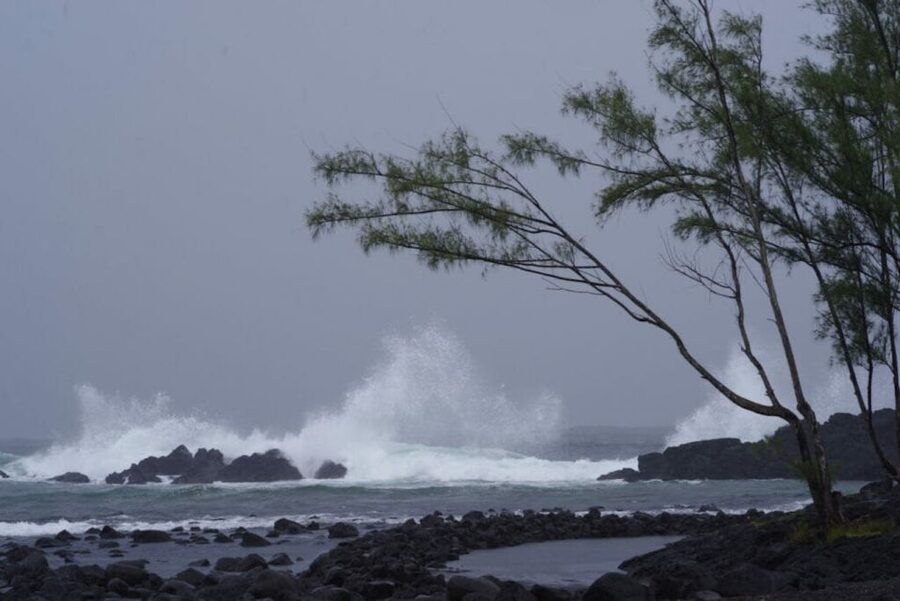
This part gives the ghost stories a serious human setting. Tsunamis are not fictional monsters. They cause loss, displacement, and lasting memories, and those experiences can shape local stories about the dead. The connection between natural disaster and wandering spirits gives the tour more weight than a collection of spooky anecdotes.
You should not expect a full museum visit during the walk. Ten minutes is enough for a short stop, an explanation, and photographs, but not for a detailed examination of every exhibit. If the museum is important to you, consider returning separately, if your schedule allows. On the ghost walk, the point is the relationship between Hilo’s disaster history and its supernatural traditions.
I especially like this stop for visitors who want more than jump scares. It explains why stories about the dead can become part of a town’s memory. The guide’s job here is not only to frighten you, but also to show how grief and belief meet.
Historic buildings, old theaters, and downtown stories
From the tsunami museum, the walk continues through central Hilo, with stops at the Kress Building, Palace Theatre, The Exhibit Gallery of Art and Events, and Hilo Town Tavern. Each stop receives about 10 minutes for a visit and photos.
The Kress Building helps keep the walk grounded in Hilo’s older commercial center. Historic storefronts and older facades make the route visually interesting even when the stories turn strange. Bring a camera if you like architectural details, murals, and downtown scenes.
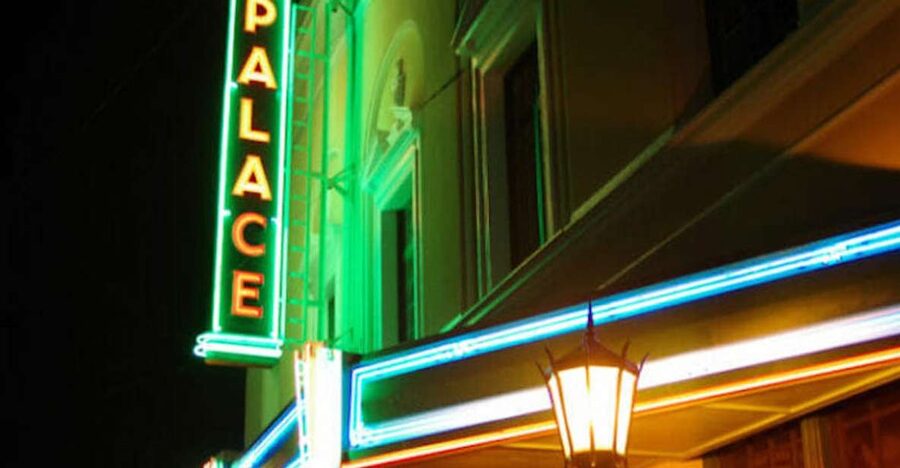
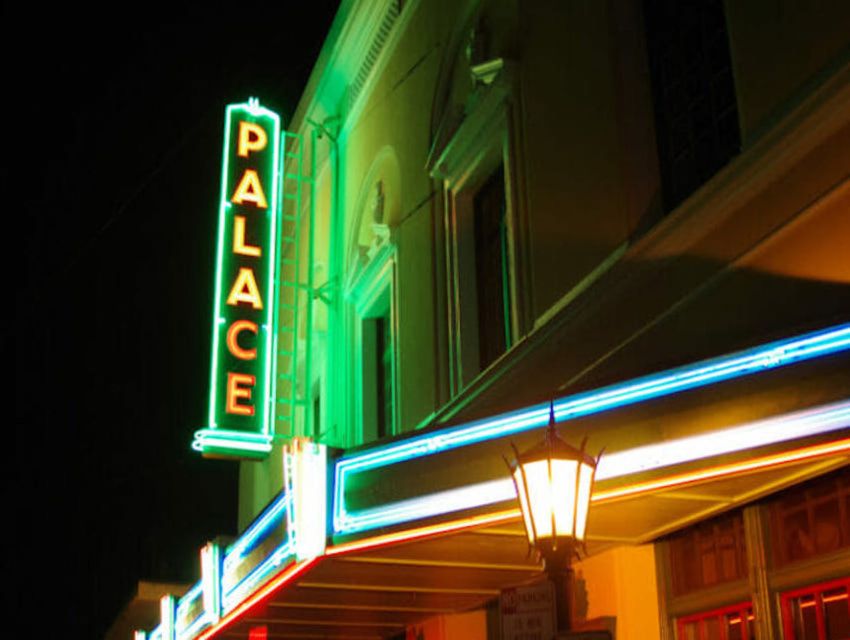
The Palace Theatre adds a different mood. The theater connects the tour to entertainment and public gathering. It is also a natural place for stories about unusual happenings, since theaters have long attracted legends about performances, audiences, and lingering presences. The supplied information does not promise a specific ghost sighting at the theater, so you should treat it as a storytelling stop rather than a guaranteed paranormal event.
The Exhibit Gallery of Art and Events and Hilo Town Tavern continue the town-center portion of the walk. These locations keep you among working streets and local businesses rather than moving through an isolated forest or abandoned building. That is part of the appeal, but it can also affect the atmosphere. Street activity, lights, and ordinary business life may make the experience feel more curious than frightening.
The tour’s strength is the contrast. You are surrounded by everyday Hilo while hearing about extraordinary events. If you prefer polished haunted attractions with theatrical effects, this may feel restrained. If you like local lore attached to real places, the setting should work well.
Same old streets, another story to hear:
- Adults-Only New Orleans Ghost, Crime, Voodoo, and Vampire Tour
★ 5.0 · 6,545 reviews - Salem’s Best Ghost Tour
★ 4.5 · 4,186 reviews - Haunted Evening Horse and Carriage Tour of Charleston
★ 4.5 · 3,678 reviews - New Orleans Adults-Only Ghost, Voodoo and Vampire Tour
★ 5.0 · 3,291 reviews
The Naha Stone and the spiritual side of Hilo
The Naha Stone is another 10-minute stop. Its presence gives the guide a chance to talk about Hawaiian tradition, power, and the spiritual importance of place. The material provided for the tour does not specify every story told at this stop, so I would not book expecting a precise legend or a particular supernatural encounter there.
What you can expect is a shift away from modern ghost stories toward the older beliefs that shape the tour. That shift is valuable because terms such as ʻaumakua and moʻo need context. Without it, they can become little more than exotic vocabulary. A good guide can explain that these figures belong to a living cultural framework, not merely to a spooky theme.
Pay attention to how the route treats sacred subjects. This is not simply a list of monsters. The walk includes family gods, ancestors, curses, the dead, and places with spiritual meaning. You may find the tone more respectful and cultural than frightening.
The Naha Stone stop also breaks up the downtown sequence. By this point, you have heard stories connected with disaster, buildings, and public spaces. The stone adds another layer, linking the tour to Hawaiian tradition and the idea that certain objects or places can carry power.
Kalakaua Park and stories beyond the obvious
Kalakaua Park is the final listed sightseeing stop, with another 10-minute visit and photo opportunity. Parks often change the feel of a ghost walk. The open space can seem less confined than a theater, tavern, or old storefront, yet it can also make the stories about spirits and ancestors feel more connected to the town as a whole.
The park stop is also a good place to reflect on the range of material covered so far. You may have heard Hawaiian and Japanese accounts, local stories of tragedy, tales connected to the Merrie Monarch Festival, and discussion of Mauna Kea’s spiritual influence.
The Merrie Monarch Festival material is one of the tour’s more distinctive features. Hilo’s annual festival is famous for hula and Hawaiian culture, and the tour adds strange tales associated with it. That combination gives you something you are unlikely to get from a generic ghost walk. The stories connect a major cultural event with the town’s supernatural side.
The guide also discusses akualele, mysterious fireballs associated with curses and the dead. This is the kind of local term that can stay with you after the walk. It offers a different image from the standard white-sheet ghost and shows how the tour draws from regional beliefs rather than repeating familiar haunted-house material.
Mauna Kea, ancestors, and the meaning behind the scares
Mauna Kea is not part of the walking route as a sightseeing stop, but its spiritual influence is included in the tour’s stories. The mountain is treated as a sacred place, giving the guide a way to explain why geography and belief are closely connected in Hawaii.
That context is important for you as a visitor. A ghost tour can easily turn local culture into decoration. This one has the chance to do better by explaining that sacred mountains, ancestors, family gods, and wandering spirits belong to a wider system of belief.
The word ʻaumakua is especially useful here. It refers to ancestors transformed into family gods. That idea changes the usual ghost-tour question from Is the spirit frightening? to What relationship does the living family have with the dead? It gives the material a personal and cultural dimension.
You will also encounter the term ʻuhane, used for wandering spirits. The distinction between a wandering spirit and an ancestor who remains connected to a family helps make the tour more than a parade of haunted locations. Listen for those differences, and you will get more from the experience.
Finishing at Jackie Rey’s Ohana Grill
The walk ends at Jackie Rey’s Ohana Grill Hilo, a restaurant associated with reported paranormal activity. You leave the guide there after hearing about ʻuhane, ʻaumakua, akualele, Mauna Kea, the Merrie Monarch Festival, and Hilo’s disaster stories.
Ending at a restaurant gives the tour a practical finish. You can continue your evening with a meal nearby, though the tour does not include food or drinks. The end point is also useful for planning, since you know where to arrange a ride or continue on foot.
The final location may appeal to you if you enjoy the idea of a currently used business carrying a ghost story. It may disappoint you if you expect access to restricted rooms or a formal investigation. The information provided describes a paranormal location, not a haunted-house performance or equipment-based investigation.
Is $64 a fair price for two hours?
At $64 per person, this is not the cheapest way to spend two hours in Hilo. The value depends on what you want from a guided walk.
You are paying for an English-speaking guide, a small group capped at 10 people, and a route that combines local history, Hawaiian and Japanese spiritual traditions, tsunami stories, and downtown landmarks. The small size is important. A guide can explain unfamiliar terms more clearly and respond to questions without trying to manage a large crowd.
The price makes more sense if you already plan to explore central Hilo. You get a guided look at several historic locations while adding stories you would not find in an ordinary town walk. It is less compelling if you want a long museum visit, a theatrical production, or a guaranteed supernatural event.
The tour has a 4.7 rating from eight reviews. The strongest praise focuses on the guide’s storytelling and the amount of Hilo and Hawaiian history woven into the ghost material. One booking described the guide as very well informed and full of stories. Another praised the kind guide and the attention given to Hawaiian history and gods. Those points match the tour’s main value: the guide matters as much as the stops.
Who will enjoy this Hilo ghost walk?
I would recommend it most to you if you like folklore, local culture, old buildings, and stories linked to real events. It is also a good fit if you want an evening activity that does not require a car or a long drive outside Hilo.
Families with older children may enjoy the unusual vocabulary and strange tales, though the material includes death, curses, tragedy, and wandering spirits. The tour is not described as a children’s program, so use your judgment based on your group.
History-minded visitors should get more from it than people who want pure fright. The strongest material concerns how Hilo remembers disaster, how Hawaiian and Japanese traditions shape ghost stories, and how sacred places influence local beliefs.
The tour is wheelchair accessible, which makes it more broadly usable than many ghost walks. Still, it is a two-hour outdoor walk through town. Ask the provider about route conditions if your mobility needs go beyond the stated accessibility information.
Bring comfortable shoes and warm clothing. Rain gear is also sensible because the tour runs rain or shine, although only comfortable shoes and warm clothing are specifically listed. The route is outdoors, and wet weather can change how enjoyable any walking tour feels.
Booking flexibility and group details
You can cancel up to 24 hours before the tour for a full refund. You can also reserve now and pay later, which helps if you are still arranging your Hilo schedule.
The tour is offered in English with a live guide. There is no hotel pickup or drop-off, so you need to reach the historical marker near Day-Lum Properties yourself.
Starting times vary by availability. Since the experience lasts two hours and ends at Jackie Rey’s Ohana Grill Hilo, check the timing against dinner plans, transport, and any evening activity afterward.
Should you book the Hilo Walking Ghost Tour?
Book it if you want local stories with cultural context, not a staged haunted attraction. The combination of Hawaiian and Japanese accounts, tsunami memories, Mauna Kea’s sacred role, Merrie Monarch tales, and old downtown sites gives this walk a clear identity.
Skip it if you dislike walking in uncertain weather or want dramatic effects, actors, or a guaranteed scare. At $64, the tour earns its price through the guide, the small group, and the depth of the stories rather than through special equipment or access to hidden rooms.
For most curious visitors with two free hours in central Hilo, I think it is a worthwhile choice. Wear practical shoes, bring a warm layer, arrive at the Day-Lum historical marker on time, and listen for the differences between a wandering ʻuhane, an ʻaumakua, and an akualele. Those details are what make this more than an ordinary ghost walk.
FAQ
Where does the Hilo Walking Ghost Tour start?
It starts at the historical marker near Coldwell Banker DAY-LUM Properties, at 2 Kamehameha Avenue.
Where does the tour finish?
The tour finishes at Jackie Rey’s Ohana Grill Hilo.
How long does the walking tour last?
The tour lasts two hours.
How much does the tour cost?
The price is $64 per person.
What language is the tour offered in?
The tour is conducted in English with a live guide.
How many people can join the group?
The group is limited to 10 participants.
Is hotel pickup included?
No. Hotel pickup and drop-off are not included.
Is the tour wheelchair accessible?
Yes, the activity is listed as wheelchair accessible.
What should I bring?
Bring comfortable shoes and warm clothing.
What happens if it rains?
The tour takes place rain or shine, so prepare for outdoor walking in changing weather.
Freshly reviewed haunts around the USA
- New Orleans French Quarter Dark History, Haunts, and Laughs Tour★ 5.0 · 30 reviews
- New Orleans’ Finest Haunted Pub Tour★ 4.5 · 38 reviews
- Cheers New Orleans! Cocktails, History, Voodoo & Paranormal Tour★ 4.0 · 4 reviews
- Haunted Drunken History Tour from New Orleans★ 5.0 · 135 reviews
- The Original Asbury Park Ghost Tour★ 4.5 · 29 reviews
- Adults-Only True Crime, Mafia, Dark History Tour★ 5.0 · 22 reviews
- Destrehan Plantation Haunted Night Tour★ 4.5 · 100 reviews
- Ghosts of Tonopah Haunted History GPS/APP Smartphone guided Walking Tour outside★ 4.5 · 7 reviews
USA Ghost Tours, compared.
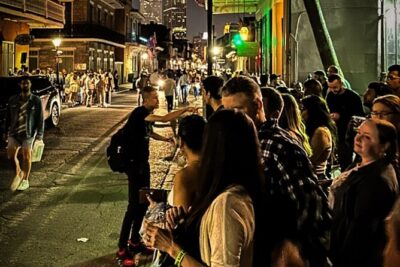
New Orleans Premier Ghost, Voodoo and Vampire Walking Tour
Read our review →
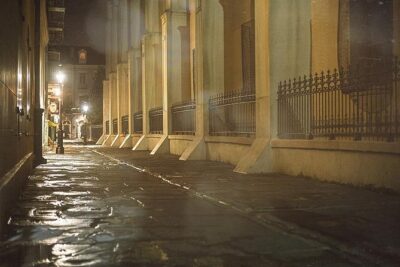
Adults-Only New Orleans Ghost, Crime, Voodoo, and Vampire Tour
Read our review →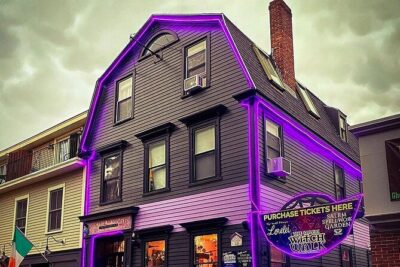
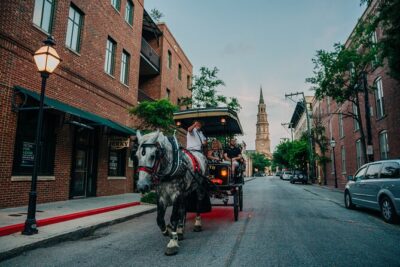
Haunted Evening Horse and Carriage Tour of Charleston
Read our review →
Savannah History and Haunts Candlelit Ghost Walking Tour
Read our review →
Ghosts of Charleston Night-Time Walking Tour with Unitarian Church Graveyard
Read our review →
Browse the lists this tour appears in