
Review · USA
Dark History: Wilmington Coup and Massacre Historic Tour
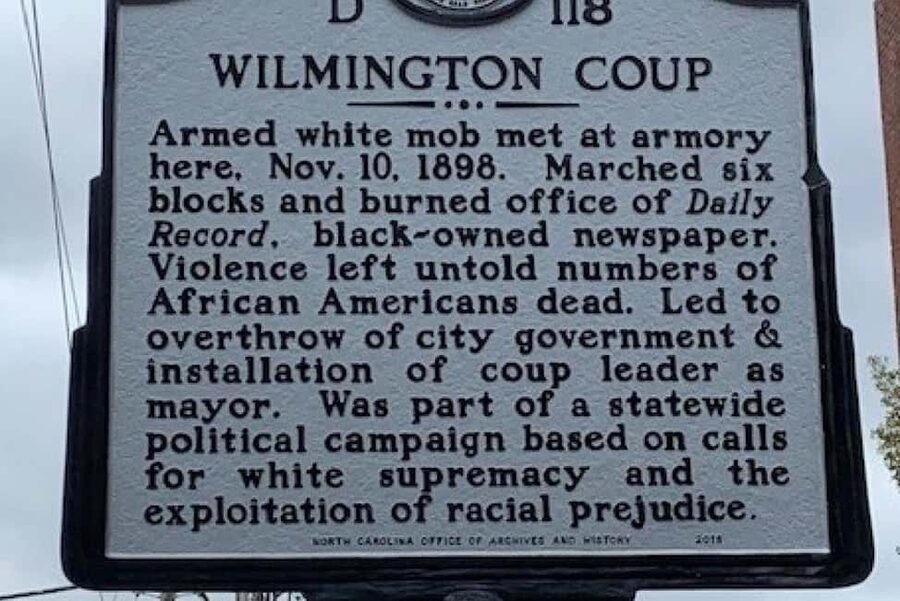
Wilmington’s 1898 coup was not simply a riot or a burst of street violence. It was the successful overthrow of North Carolina’s biracial, democratically elected government, followed by the massacre of hundreds of citizens. This 75-minute walking tour puts that event on the streets where the rallies, attacks, and speeches took place.
I like two things right away: the tour connects politics and economics to the violence, and it visits homes linked to both perpetrators and victims. That gives you more than a date and a shocking headline. The main thing to consider is the pace. One person found the walk a little quick for elderly walkers, so comfortable shoes and a steady stride matter.
Key points to know before you book
- Wilmington’s 1898 coup succeeded: Learn why this was a government overthrow, not merely a local disturbance.
- The route connects places to people: See homes, rally sites, attack locations, and places where important speeches were given.
- The tour explains the road to Jim Crow: Understand how the coup helped begin North Carolina’s period of legalized racial oppression.
- A historian leads the walk: Guides have included Max, with the discussion presented in English.
- The experience costs $19 per person: For 75 minutes with a professional historian, that is a modest price for a serious history lesson.
- Plan for outdoor walking: Bring water, dress for the weather, and treat photography at sensitive sites with care.
Why Wilmington’s 1898 story matters
The most important fact to carry into this walk is simple: in 1898, Wilmington had a biracial government chosen through democratic elections, and that government was overthrown by force.
The violence was not random. Political goals, racial hatred, and economic interests came together in a planned assault on Black citizens and their political power. The result was a massacre in Wilmington and the installation of a new government through a coup d’état.
That distinction matters because the language used to describe an event shapes how you understand it. Calling the episode a riot can suggest chaos on both sides. This tour presents it as a successful seizure of power, followed by a long period of oppression and racism in North Carolina.
I value this kind of framing because it helps you see the event as part of a larger change. The massacre did not end when the attacks stopped. It helped open the door to North Carolina’s Jim Crow period, when laws and political systems were used to restrict Black citizens’ rights.
The subject is painful, but the tour is built around facts, places, and causes. You are not asked to treat the past as a distant curiosity. You are shown how political fear and organized violence reshaped a city and a state.
More Dark History Tours in the USA
- Adults-Only New Orleans Ghost, Crime, Voodoo, and Vampire Tour
★ 5.0 · 6,545 reviews - New Orleans Adults-Only True Crime and Ghost Walking Tour
★ 5.0 · 1,666 reviews - Genteel and Bard’s Savannah Dark History and Ghost Encounter Walking Tour
★ 5.0 · 1,546 reviews
Meeting at Slice of Life on Market Street
The tour begins at Slice of Life Pizzeria & Pub Downtown, on Market Street. You return to the same place after the walk, which keeps the route simple and makes it easy to plan around a meal or another downtown activity.
The restaurant is a practical meeting point rather than a historical stop. Arrive ready to walk, with water and suitable clothing already sorted. Transportation to the starting point is not included, so you need to make your own way to Market Street.
The tour lasts 75 minutes. That is long enough for a guided account with several locations, but short enough to fit into a morning or afternoon in Wilmington. You will spend the time outdoors, so weather matters. Bring a light layer or rain protection when conditions call for it, and wear shoes that will remain comfortable throughout the route.
The walk is wheelchair accessible. Still, the experience involves a significant amount of movement between sites, so anyone concerned about walking speed should plan carefully. The pace has been described as close to two miles per hour, which may feel brisk for some older walkers.
Following the homes of victims and perpetrators
One of the strongest features is the attention to homes connected with the people who shaped the 1898 events. Buildings can make history easier to grasp because they give political decisions a physical setting.
When you see the homes of important perpetrators, the story moves away from the idea that the violence came from an anonymous crowd. When you see places tied to victims, you are reminded that the attack damaged real families and communities.
The tour does not present only one side of Wilmington’s past. It places the people who planned or carried out the attack alongside those who suffered from it. That balance does not mean treating the actions as morally equal. It means showing how power operated and who paid the price.
You may find this part especially useful if you already know the broad outline of the coup but want a stronger sense of its human scale. Names and political platforms can feel remote in a book. Homes help connect the story to everyday life.
The route also shows how little a modern street can reveal on its own. A building may look ordinary today, while the guide explains that it was connected to a person, decision, or confrontation that changed Wilmington. That contrast is one reason a walking tour works well for this subject.
Rally sites, attacks, and speeches
The route visits locations tied to major rallies, attacks, and speeches. These stops give the tour a clear sequence. You are not simply hearing a lecture in one place. You move through the city as the story develops.
Rallies and speeches help explain how political messages were spread and how public opinion was pushed toward violence. Attack sites show the point at which rhetoric became action. The route therefore links words, crowds, and force.
I like this approach because it gives you a better sense of cause and effect. You can follow the escalation from political pressure to organized violence, rather than treating the massacre as an isolated moment.
The sites also help you understand the coup’s public nature. This was not a quiet change of leadership. It involved visible attacks and a takeover of government power. The walk makes that harder to overlook.
Photography is allowed, but you should use judgment. Some places on the route are connected to death, intimidation, and displacement. Take pictures if they help you remember the setting, but avoid turning painful sites into casual photo stops.
Same old streets, another story to hear:
- New Orleans Premier Ghost, Voodoo and Vampire Walking Tour
★ 4.5 · 12,856 reviews - Chicago: Gangsters and Ghosts Walking Tour
★ 5.0 · 7,155 reviews - Salem’s Best Ghost Tour
★ 4.5 · 4,186 reviews - Haunted Evening Horse and Carriage Tour of Charleston
★ 4.5 · 3,678 reviews
The political and economic causes
The tour spends time on the political and economic setting behind the coup. That is important because a short account of the massacre can leave you with horror but little understanding.
You will hear how the city’s biracial government became a target and how racial control was tied to power. Economic concerns also formed part of the pressure. The guide’s job is to show how these forces worked together, not to offer a single-cause explanation.
This context is where the tour earns its price. A $19 walk could simply point out old buildings and repeat a few dramatic facts. Here, the aim is to explain why Wilmington became the center of a successful overthrow and why the consequences lasted beyond 1898.
You should expect difficult material. The tour deals with racial violence and the beginning of North Carolina’s Jim Crow era. It is not designed as light sightseeing, and it may be best placed alongside more conventional downtown activities rather than treated as a casual entertainment stop.
At the same time, the 75-minute length keeps the subject manageable. You get a focused introduction without committing to a full-day program. If you want a first serious look at this part of Wilmington’s past, the format is practical.
A guide who keeps the facts in view
The experience is led by a professional historian, and guides have included Max. The strongest praise has focused on clear explanations, direct treatment of difficult facts, and the ability to frame complex material in a compelling way.
That matters here. The coup and massacre involve political systems, racial violence, economic interests, and historical memory. A guide who simply lists dates would leave you with an incomplete picture. You need someone who can connect the details without softening what happened.
The tour’s educational materials add support to the walk. You should still expect the main value to come from the live explanation and the places along the route. The material is most useful as a way to remember names, dates, and themes after you leave.
A guide cannot answer every question in 75 minutes, so think of this as a strong introduction rather than the final word on Wilmington’s past. If you want to continue learning, make a note of the names and events that catch your attention and research them later.
How the tour handles Wilmington’s memory
An important part of this experience is the question of how Wilmington presents its own past. The route brings you to places connected with a major act of political violence, yet the city’s public treatment of that history has not always been as visible as many people would expect.
That gap is worth noticing. A city can have attractive streets, historic homes, and a busy visitor scene while still giving limited space to the events that shaped its Black community and political life.
The tour helps fill that gap by making the history visible through walking and explanation. It does not erase the violence, and it does not turn the story into a tidy tale of progress. You are asked to look at what happened and consider how public memory is formed.
I find that useful for anyone visiting Wilmington for the first time. You leave with a fuller picture of the city, not just its architecture or waterfront. You also gain a clearer sense of why honest historical interpretation matters.
Is $19 a fair price?
At $19 per person, this is good value if you want a focused history experience led by a specialist. The cost covers a professional historian, a 75-minute walk, visits to key sites, and educational materials.
You are not paying for transportation, food, or a long list of attractions. You are paying for interpretation. That is the right way to judge this tour.
The price is especially reasonable for people who might otherwise walk through downtown without recognizing the importance of the places around them. A guide adds the names, dates, and connections that a self-guided stroll may miss.
The value is less clear if you dislike walking tours or want a light, entertaining introduction to Wilmington. This is serious subject matter, and the time outdoors may be tiring for some people. You should choose it because you want to understand the coup and massacre, not because you are looking for a general city tour.
Who will get the most from this walk?
I would recommend this tour to you if you want to understand Wilmington beyond its more familiar visitor attractions. It suits history-minded adults, students, residents seeking a clearer account of local events, and anyone interested in Reconstruction and the start of Jim Crow in North Carolina.
It is also useful if you prefer learning through places. Seeing homes, speech sites, rally locations, and attack sites can make the sequence easier to remember than reading a short account in a book.
The walk may be less suitable for very young children, though the supplied information does not set a minimum age. The topic is severe, and parents should decide if their children are ready for an honest discussion of racial violence and political repression.
Older walkers should consider the pace before booking. Comfortable shoes are essential, and water is a good idea. The tour is wheelchair accessible, but accessibility does not remove the need to manage a substantial walking route.
Practical details for a respectful visit
The tour is offered in English with a live guide. Smoking, alcohol, and drugs are not allowed. Photography is permitted, but you should treat the sites with respect.
You need to arrange your own transportation to and from Slice of Life on Market Street. Meals and drinks are not included, so plan those separately. Since the tour begins and ends at the same downtown location, you can easily schedule food before or after, but allow enough time to arrive ready for the walk.
Free cancellation is available up to 24 hours before the start time for a full refund. You can also reserve and pay later, which helps if your Wilmington plans are still shifting. Starting times vary, so check availability when you choose a date.
Should you book the Wilmington Coup and Massacre tour?
Book it if you want a direct, place-based account of one of the most important and least familiar episodes in North Carolina history. The combination of homes, rally sites, attack locations, and political context gives you much more than a simple downtown stroll.
I would especially choose it early in a Wilmington visit. It can change how you read the city afterward, making familiar streets and buildings part of a much larger story.
Skip it if you want a relaxed sightseeing walk with little difficult subject matter. For everyone else, $19 is a fair price for a focused 75-minute history lesson, provided you are ready to walk, listen carefully, and treat the sites with the seriousness they deserve.
FAQ
Where does the Wilmington Coup and Massacre tour begin?
The tour begins at Slice of Life Pizza on Market Street in downtown Wilmington.
Where does the tour end?
The walk returns to Slice of Life Pizzeria & Pub Downtown.
How long does the tour last?
The guided tour lasts 75 minutes.
What does the tour cover?
It covers the 1898 Wilmington coup and massacre, including the political and economic context, major people involved, important rallies, attacks, speeches, and the connection to the beginning of North Carolina’s Jim Crow period.
Who leads the tour?
A professional historian leads the experience. Guides have included Max.
What language is the tour offered in?
The live tour is offered in English.
Is the tour wheelchair accessible?
Yes, the tour is wheelchair accessible.
Is transportation included?
No. You are responsible for getting to and from the meeting point.
Are food and drinks included?
No. Meals, drinks, and personal expenses are not included.
Can I cancel for a refund?
Yes. You can cancel up to 24 hours in advance for a full refund.
Can I reserve now and pay later?
Yes. The tour allows you to reserve your place and pay later.
What should I bring?
Bring comfortable shoes, water, and clothing suitable for the weather. Photography is allowed, but sensitive sites should be treated respectfully.
Ghost walks heavy on history around the USA
- Savannah History and Haunts Candlelit Ghost Walking Tour
★ 5.0 · 3,235 reviews - New Orleans Small-Group Haunted History Carriage Tour
★ 4.5 · 2,289 reviews - New Orleans Haunted History Ghost Tour
★ 4.5 · 2,084 reviews - The Historic Galveston Ghost Tour
★ 5.0 · 1,524 reviews
Freshly reviewed haunts around the USA
- New Orleans French Quarter Dark History, Haunts, and Laughs Tour★ 5.0 · 30 reviews
- New Orleans’ Finest Haunted Pub Tour★ 4.5 · 38 reviews
- Cheers New Orleans! Cocktails, History, Voodoo & Paranormal Tour★ 4.0 · 4 reviews
- Haunted Drunken History Tour from New Orleans★ 5.0 · 135 reviews
- Destrehan Plantation Haunted Night Tour★ 4.5 · 100 reviews
- The Original Asbury Park Ghost Tour★ 4.5 · 29 reviews
- Adults-Only True Crime, Mafia, Dark History Tour★ 5.0 · 22 reviews
- New Haven’s Ghost Walk★ 3.5 · 69 reviews
USA Ghost Tours, compared.
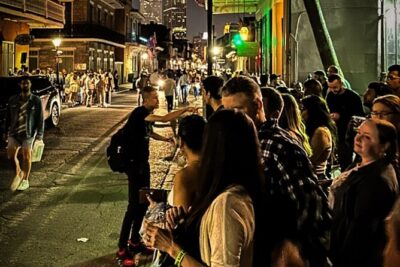
New Orleans Premier Ghost, Voodoo and Vampire Walking Tour
Read our review →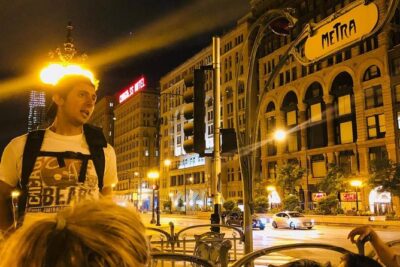

Adults-Only New Orleans Ghost, Crime, Voodoo, and Vampire Tour
Read our review →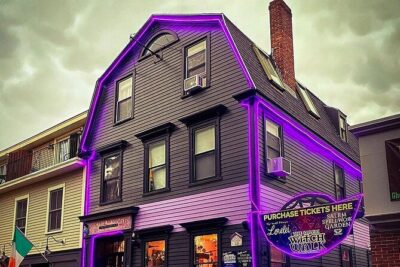
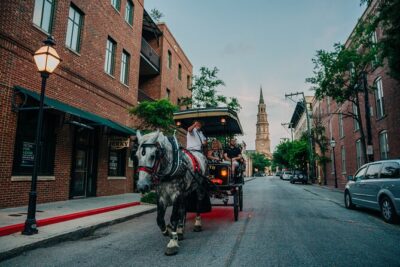
Haunted Evening Horse and Carriage Tour of Charleston
Read our review →
Savannah History and Haunts Candlelit Ghost Walking Tour
Read our review →
Ghosts of Charleston Night-Time Walking Tour with Unitarian Church Graveyard
Read our review →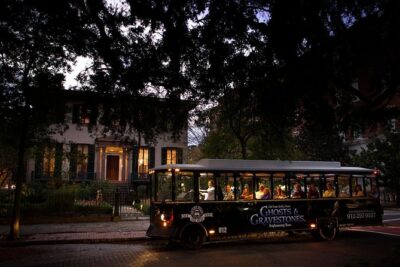
Browse the lists this tour appears in