
Review · SALEM
Best Salem Witch Trials Historical Walking Tour
Salem’s witch trials are easier to understand when you connect names to actual streets, homes, jails, and meeting places. This 90-minute walking tour takes you through the downtown area, from the memorial for the 20 victims to the Witch House and the former locations of the court and jail. The buildings are not all still standing, so the guide fills in the gaps with stories, site clues, and old images.
I like the tour’s focus on personal stories, including those of Bridget Bishop, Giles Corey, Betty Parris, George Corwin, and Judge Jonathan Corwin. I also like the compact route, which gives you a useful introduction to Salem without taking half a day. The tradeoff is clear: some stops are modern buildings or empty sites, and the quality depends heavily on your guide’s storytelling. A few people find the presentation repetitive or short on chronology.
Key points to know before you book
- The Witch House is the only surviving Salem building directly tied to the 1692 trials.
- The tour covers about one mile in 90 minutes, with frequent stops for stories and explanations.
- Many important locations are gone, including the original jail and court, so you will often hear about a site while looking at a later building.
- Bob is one guide praised by name for bringing the period’s people and events to life through a detailed narrative.
- The group can include up to 40 people, which may affect how easily you hear and interact with the guide.
- October requires extra planning, since parking, traffic, crowds, and narrow sidewalks can make Salem slow to navigate.
Why this walking tour helps make sense of Salem
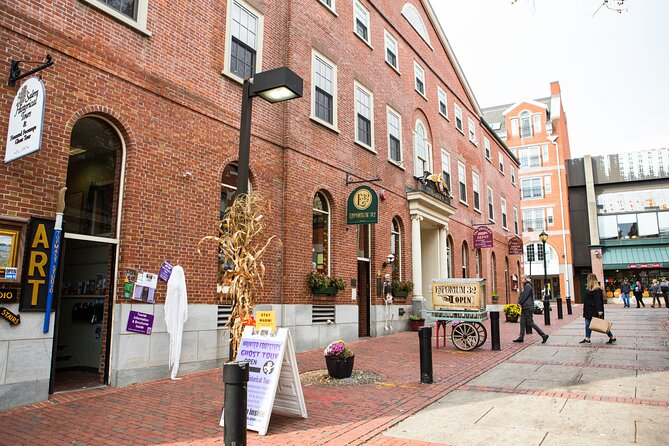
The Salem Witch Trials Historical Walking Tour is best understood as a history walk, not a parade of preserved buildings. Salem has plenty of old-looking streets, but most of the structures directly connected to the 1692 trials are gone. You are often standing at a modern restaurant, hotel, office building, or street corner while the guide explains what happened there.
That limitation can frustrate you if you expect a museum-style visit at every stop. It can also make the tour more valuable, since you learn how to read the modern city as a map of the past. The guide points out where the court met, where prisoners were held, where officials lived, and where victims’ stories unfolded.
The central theme is the human cost of the hysteria. You hear about people accused, jailed, interrogated, stripped of property, and executed. The tour does not treat the trials as a spooky backdrop alone. It also addresses the actions of judges, sheriffs, accusers, and townspeople who helped push the proceedings forward.
The meeting point is at the Salem Historical Tours office at 8 Central Street. Tours depart at 10 a.m., 1 p.m., and 4 p.m. Arrive 15 minutes early, especially in October. The starting point is downtown, and the walk returns you to the central area, where the guide can point you toward your next stop.
More Ghost Walking Tours in Salem
- Salem Voodoo, Vampires, and Ghosts Guided Walking Tour
★ 5.0 · 1,931 reviews - Bewitched Walking Tour of Salem
★ 5.0 · 1,895 reviews - Requiem for Salem Walking Ghost Tour
★ 4.5 · 562 reviews
The memorial sets a serious tone
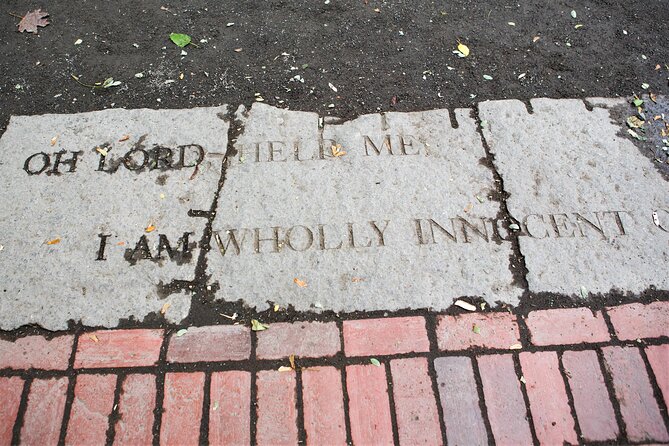
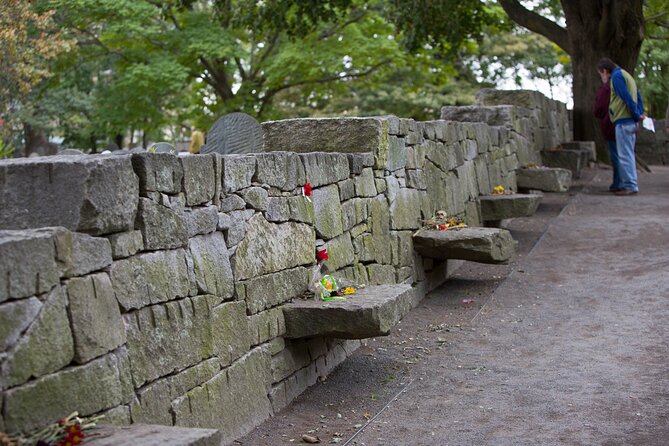
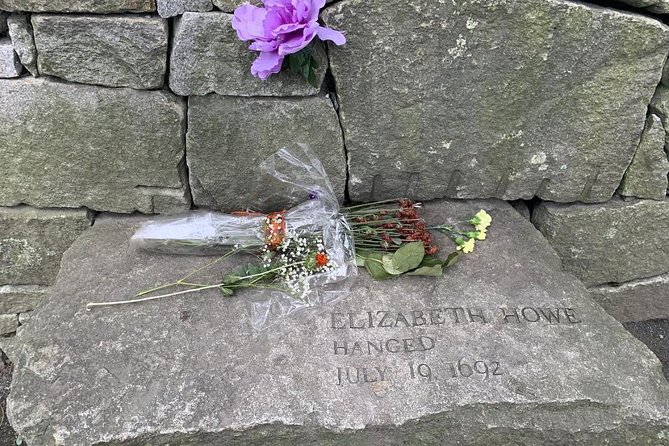
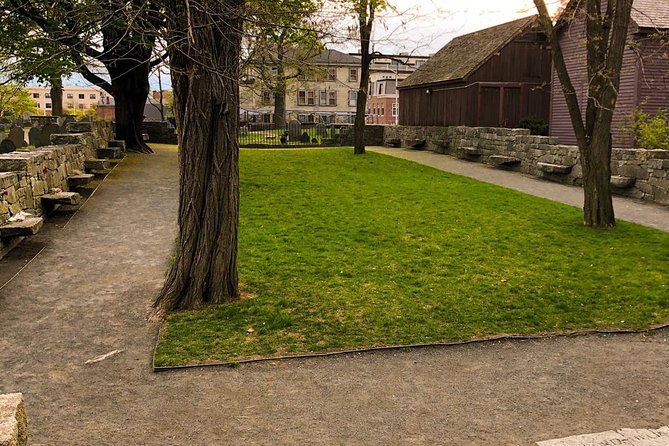
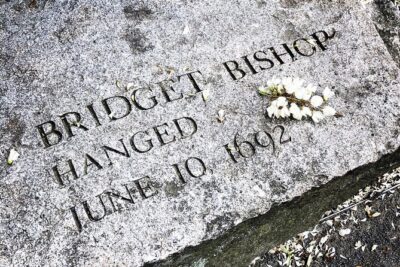
The Salem Witch Trials Memorial is one of the strongest parts of the route. Dedicated in 1992, it honors the 20 people who died during the trials. The memorial uses stone benches, each marked with a victim’s name, the manner of death, and the date.
This is where the scale of the tragedy becomes personal. Instead of hearing only about a group called the accused, you encounter individual names and brief details of how each person died. The guide also explains the memorial’s symbolism and shares some of the victims’ stories.
Allow yourself a quiet moment here. The tone is solemn, and that is appropriate. The tour is not built around Halloween-style theatrics at this point. It asks you to consider the people behind the famous story.
One practical note: the guide may explain the memorial from nearby rather than walk you through every bench. If seeing each inscription matters to you, ask directly and take a few extra minutes to look around after the formal talk.
Rockafellas connects the trials to civic life
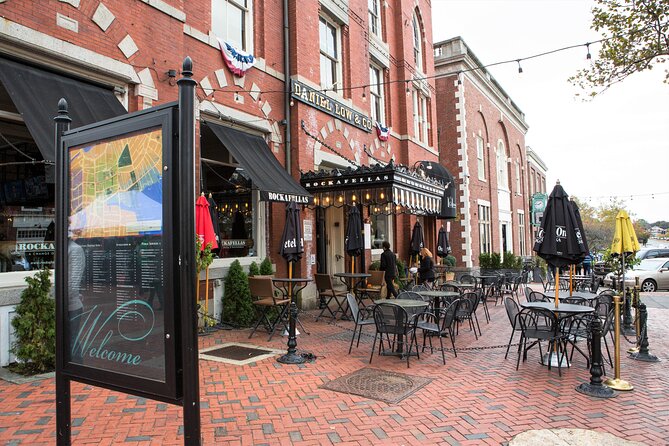
Rockafellas is now a restaurant in the Daniel Low and Co. building, but the site once held Salem’s First Church and the city meeting house. That makes it useful for understanding how religious and civic life overlapped in the community during the trials.
You do not tour the restaurant as a historic interior. The value is in knowing what occupied the site in 1692 and why that location mattered. The guide uses it to explain where people gathered and how the town’s institutions were tied to the events.
This stop also shows the basic challenge of the walk. You are not looking at a preserved courtroom or church from the trial period. You are looking at a present-day business and listening to the history beneath it. If you enjoy connecting modern streets to earlier events, this works well. If you want original interiors at every stop, adjust your expectations before booking.
George Corwin’s former home and the sheriff’s role
The Joshua Ward House is now the Merchant Hotel. The site is associated with George Corwin, the High Sheriff of Essex County in 1692. His work included signing arrest and execution warrants, taking personal property, and overseeing actions against people accused during the trials.
The story becomes especially grim when the guide discusses claims that Corwin tortured some people in his home. This is one of the stops where the conduct of officials receives as much attention as the accusations themselves.
You will not enter a preserved Corwin residence on this walk. The point is the location and the role of the sheriff. That distinction matters, since the tour’s subject is often presented through famous names and dramatic legends. Here, you get a closer look at the machinery that turned accusations into arrests, imprisonment, and death.
More Ghost Walking Tours in the USA
- Salem’s Spooky Spectres Walking Ghost Tour
★ 4.5 · 272 reviews - The Ghosts of Salem Walking Tour
★ 4.5 · 261 reviews - Self-Guided Smartphone Ghost Walking Tour in Salem
★ 4.5 · 225 reviews - Salem: Ultimate Witches and Witchcraft of Salem Walking Tour
★ 4.0 · 69 reviews
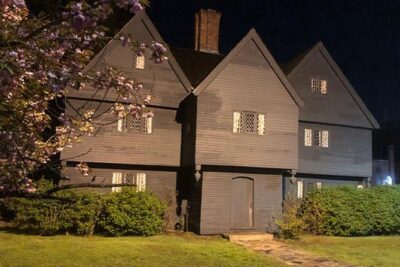
The Witch House is the clearest physical link
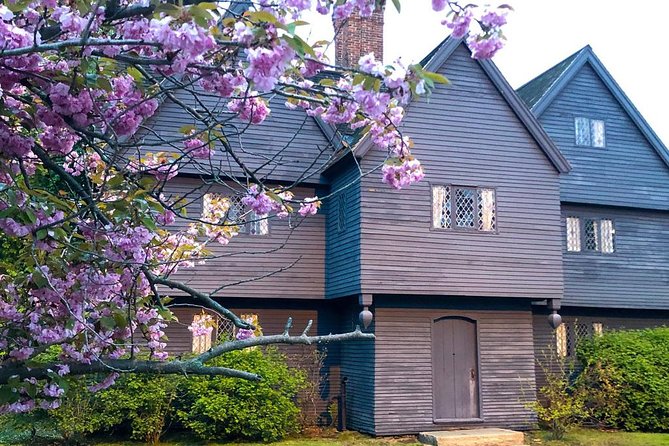
The Witch House is the most important surviving structure on the route. It is the only remaining building in Salem with a direct connection to the 1692 witch trials. The house dates to the 1660s and was home to Judge Jonathan Corwin.
Corwin met there with Judge Hathorne to discuss who might be considered a witch. The building gives you something rare on this tour: an actual structure associated with people who held power during the trials.
The walking tour focuses on the exterior and its historical connection. Admission inside is not included, so you should treat a separate visit as an optional follow-up rather than part of the 90-minute experience. If the house interests you, consider returning later when you can spend more time with its exhibits.
This stop is also a good reminder that the title Witch House refers to the judge’s connection to the trials, not to a person accused of witchcraft living there. That kind of distinction helps separate Salem’s historical record from its later folklore.
Betty Parris and the story’s early spark
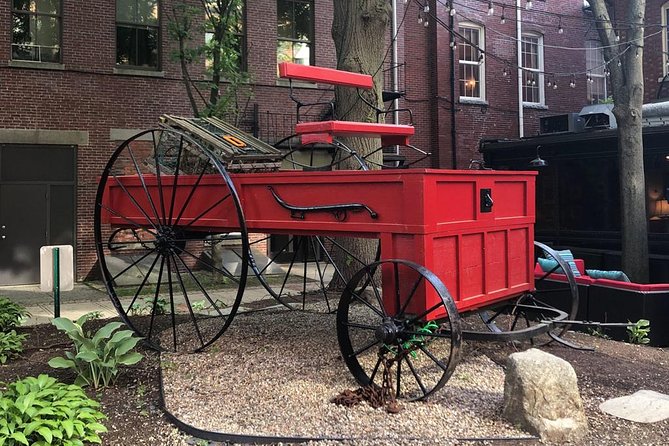
The Salem YMCA on Sewall Street marks the former location of a house where nine-year-old Betty Parris was moved in July 1692. The original home is gone, but the guide explains Betty’s connection to Reverend Parris and the role she and her cousin played in the beginning of the witchcraft hysteria.
This is a useful stop because it shifts attention toward the young people at the center of the early accusations. The location itself is not visually dramatic, and you will not see the original house. The story is the reason to pause here.
The guide may use old images or other visual material to show what is no longer present. That approach can help, but it also means you need to listen closely. There is little physical evidence at the site to explain the story on its own.
Bridget Bishop’s story at Lyceum Hall
Turner’s Seafood occupies Lyceum Hall, built on land once owned by Bridget Bishop and her husband, Edward. Bridget was the first woman executed during the 1692 trials. Her arrest, trial, and execution took only eight days.
Her story is one of the tour’s sharper examples of how quickly an accusation could become a death sentence. The stop gives the guide a chance to explain how a town became convinced that Bishop was a witch, while also placing her story on a real downtown block.
Again, you are visiting a later building on an earlier site. You do not need to eat at the restaurant to understand the location, and a meal is not part of the tour. If you plan to dine there, make that a separate decision based on your schedule and budget.
Jails, courtrooms, and the parts of Salem that disappeared
The Witch Dungeon Museum stop is not directly connected to the 1692 trials, but it helps explain the physical conditions of imprisonment. The tour uses it to describe cramped jail cells, some no larger than a phone booth or closet, and the fact that prisoners had to pay for their own time in jail.
There is also a chance to pose in the pillories, or stocks. That photo opportunity is lighter in tone than the surrounding material, so you may find it either a welcome change or a distraction from the subject.
The Salem Masonic Building marks the area where the Witchcraft Court, formally called the Court of Oyer and Terminer, was located in the middle of Washington Street. Most of the trials took place there, with additional proceedings in January 1693.
The guide explains decisions made by the court, including a case in which a jury found an accused person innocent but the judges rejected that result. This is one of the most important lessons of the walk: the process was not simply a matter of rumor. Officials and courts made choices that carried deadly consequences.
The former Witchcraft Jail was at 50 St. Peter Street. The jail is gone, but the site lets the guide discuss people held there, including Giles Corey. Corey was crushed during interrogation, and some prisoners died while in jail.
These locations are valuable because they fill out the story beyond the memorial and the Witch House. They also require imagination. You are not entering the original jail or courtroom, and the current streets can look ordinary.
The Bewitched statue adds a very different Salem
The Bewitched statue of Elizabeth Montgomery, who played Samantha Stephens, is an unexpected stop. You can take a picture with the television character and hear about episodes filmed in Salem. The guide also explains whose land the statue occupies, an ironic detail given the city’s trial history.
This moment shows how Salem carries two identities at once. One is the serious historical site of the 1692 trials. The other is the popular culture destination shaped by television, Halloween, ghost stories, and witch imagery.
The statue is not evidence from the trials, but it gives the route some variety. If you want a walk focused only on court documents and historical sites, this stop may feel off-topic. If you enjoy seeing how Salem’s modern identity grew around the old story, it fits.
How the guides shape the experience
The strongest part of the tour is the guide’s ability to give shape to places that are no longer visible. The best presentations put the events in order, explain who held power, and connect one person’s story to the next. Bob, in particular, has been praised for creating a detailed narrative that makes the people of the 1600s easier to follow.
Other guides may favor anecdotes and individual stories over a strict timeline. That can make the walk lively, but you may finish with an uneven sense of how the hysteria developed. If chronology matters to you, ask questions during the walk, especially about what happened first and how the court process changed.
The group size can reach 40 people. That is manageable on a downtown route, but it is not an intimate private walk. Arrive early, stay near the guide, and speak up if street noise makes it hard to hear.
Price, pace, and practical value
At $30 per person, the tour is reasonably priced for a 90-minute guided introduction to Salem. You are paying for local interpretation, route planning, and the effort of connecting sites that you could otherwise pass without understanding.
The value is strongest if you are new to Salem or want a framework before visiting other museums and historic houses. You can follow the city’s yellow trail on your own for free, but a marked route will not necessarily explain George Corwin’s role, Bridget Bishop’s eight-day ordeal, or why a modern street corner mattered to the court.
The price is less compelling if you expect admission to several buildings. Entry fees are not included, and the walk mostly covers outdoor sites. Parking, hotel transport, food, and restroom access are also not included. There are no public restrooms provided as part of the experience, so plan ahead.
The pace is about one mile over 90 minutes, with frequent pauses. You will spend much of the time standing while the guide talks. Wear shoes that handle uneven sidewalks, brick, cobblestones, and stairs. The tour runs in all weather, so bring suitable clothing. October crowds can slow the route, and parking can be difficult even when your navigation app suggests an easy arrival.
Who should book this Salem history walk?
I would choose this tour if you want a clear introduction to the trials, prefer walking to sitting in a lecture, and enjoy hearing about real people connected to specific places. It also works well as an opening activity on a Salem visit, since it helps you decide which sites deserve a longer return visit.
Families can take part, but children must be accompanied by an adult. The subject includes imprisonment, torture, executions, and death, so younger children may not find the material comfortable. Older children and teenagers who already have an interest in history may get more from the personal stories and court decisions.
You should think twice if you need a fully accessible route or have difficulty walking and standing for 90 minutes. The historic sidewalks can be narrow and uneven, and October crowds make movement harder. Service animals are allowed, but each person must be able to complete the roughly one-mile route within the tour time.
Should you book the Best Salem Witch Trials Historical Walking Tour?
Book it if you want context more than preserved interiors. The memorial, Witch House, former court site, jail site, and locations tied to Corwin, Bishop, and Corey give you a useful map of Salem’s most difficult story.
Skip it if you already know the trials well and dislike standing at modern buildings while listening to explanations. For the best experience, arrive early, ask for a clear timeline, and treat the walk as an introduction. Then return to the Witch House or another museum on your own for a closer look.
At $30, it offers fair value for a focused downtown history walk, provided you understand what survives and what does not. The tour is at its best with a strong storyteller, and Bob is a guide worth requesting if he is available.
FAQ
Where does the tour begin?
The tour begins at the Salem Historical Tours office at 8 Central Street, Salem, Massachusetts. You should arrive 15 minutes before the scheduled departure.
How long is the walking tour?
The tour lasts about 90 minutes and covers roughly one mile. It includes frequent stops for explanations and stories.
What are the main sites on the route?
The route can include the Salem Witch Trials Memorial, Rockafellas, the Joshua Ward House, the Witch House, the former Betty Parris home site, Lyceum Hall, the Witch Dungeon Museum, the Bewitched statue, the former court site, and the former Witchcraft Jail site.
Is admission to the Witch House included?
No. The walking tour includes outdoor explanations and site visits, but admission fees for attractions are not included.
Does the tour run in bad weather?
Yes. The tour operates in all weather conditions, so you should dress appropriately and wear shoes suited to uneven sidewalks, bricks, cobblestones, and stairs.
Can I cancel for a full refund?
Yes. You can cancel at least 24 hours before the experience start time for a full refund. Cancellations or changes made less than 24 hours in advance are not accepted for a refund.
More Witch Tours in the USA
- Salem Ghost Tours: Witches & Wicked Whispers
★ 4.2 · 436 reviews - Salem Witch Museum Admission Ticket
★ 3.9 · 417 reviews - Salem: 1692 Witchcraft Trials Walk
★ 4.2 · 271 reviews - Salem, MA: Witch City Broom Making Workshop
★ 4.9 · 142 reviews
More Witch Tours in Salem
- The Salem Witch Walk
★ 4.5 · 1,301 reviews - Wicked Awesome Tours: Witch Trial History and Salem Haunts!
★ 5.0 · 1,032 reviews - Salem Ghost Tour: Witches & Wicked Whispers
★ 4.5 · 571 reviews - Salem Uncovered: The Salem Witch Trials Tour
★ 4.5 · 471 reviews
Freshly reviewed haunts around Salem
- Salem: Self-Guided Scary Ghosts & Witch Trials Audio Tour★ 3.2 · 11 reviews
- Salem Witch Tour from Boston by Train★ 4.4 · 37 reviews
- Salem: Witch Trial Walking Tour★ 4.2 · 38 reviews
- Salem: Witch Trial History and Salem Haunts Walking Tour★ 4.5 · 41 reviews
- Salem: Ultimate Witches and Witchcraft of Salem Walking Tour★ 4.0 · 69 reviews
- Salem: Vampires and Ghosts Walking Tour with Haunted Objects★ 4.7 · 10 reviews
- Salem: Requiem for Salem Walking Ghost Tour★ 4.3 · 9 reviews
- Salem: Specters and Apparitions Ghost Hunting Tour★ 4.4 · 10 reviews
Salem Ghost Tours, compared.

Haunted Footsteps Best Ghost & Paranormal Salem Tour
Read our review →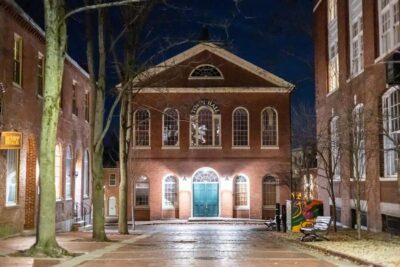
Browse the lists this tour appears in