Review · USA
The Paranormal Museum Tour A Truly Haunting Experience
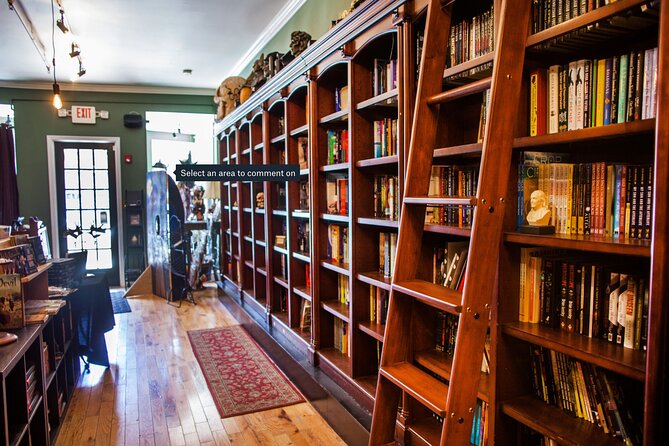
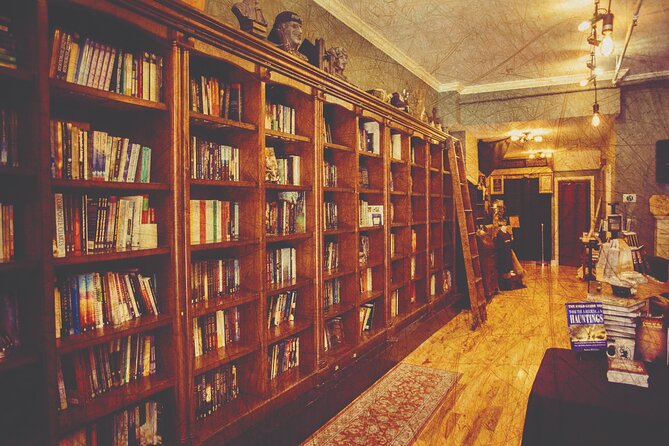
The most arresting object here is Blue, a painting said to bring flickering lights, cold spots, and a lingering sense of unease. Around it, the Paranormal Museum in Asbury Park builds a compact tour through haunted dolls, Ouija boards, Civil War relics, Salem witch hysteria, and the Mercy Brown vampire case. You get folklore, history, and a few moments designed to make you question what just happened.
I like the small private group format, since up to six people can share the $140 cost and ask questions without being lost in a crowd. I also like the guides’ personal touch. RJ and Jack have each led engaging tours, with RJ giving especially useful explanations and helping families connect with the objects.
The main consideration is simple: this location has a reputation for being haunted. If you want a museum visit based only on documented history, some of the claims may feel unproven. If you enjoy ghost stories and unusual artifacts, that uncertainty is part of the appeal.
Key points to know
- Blue is the central mystery: The painting is linked to flickering lights, cold spots, and other unsettling reports.
- The $140 price covers up to six people: That works out well for a family or small group, but less so for one or two visitors.
- RJ and Jack guide the tour: Expect storytelling, explanations, and time to ask about the objects.
- The exhibits mix folklore with history: Salem witch hysteria, Civil War relics, and the Mercy Brown case give the visit more context than a simple ghost walk.
- The visit lasts about one hour: It is focused and manageable, though people fascinated by the objects may want more time.
- This is not a neutral museum setting: The venue openly has a haunted reputation, so consider that before booking.
Blue, the painting that sets the tone
The tour’s strongest hook is Blue, a painting believed to be linked with a demonic presence. The reported effects include lights that flicker, sudden cold spots, and a general feeling that something is not quite right.
I appreciate that the painting gives the visit a clear center. You are not simply moving from one odd object to another without a thread. Blue creates a question that follows you through the museum: are the reported events caused by the setting, by suggestion, or by something beyond ordinary explanation?
A guide can help frame the story without forcing you to accept it. That matters here. The museum presents paranormal claims, but you remain free to treat them as folklore, personal experience, or evidence of something you cannot explain.
One useful tip is to let the guide control the pace. A child on one tour had several reactions to the artifacts and wanted to return for more time and questions. That suggests the experience can work as a family outing for older children who enjoy spooky subjects, though each parent should decide how comfortable their child is with demonic themes, haunted dolls, and stories of death.
Haunted museums and oddity collections around the USA:
- Medieval Torture Museum with Ghost Hunting and Tiny Art Gallery
★ 5.0 · 2,011 reviews - Medieval Torture Museum Ticket with Audio Guide and Ghost Hunting
★ 5.0 · 962 reviews - Salem Witch Museum Admission Ticket
★ 3.9 · 417 reviews
Haunted dolls and a wall of Ouija boards
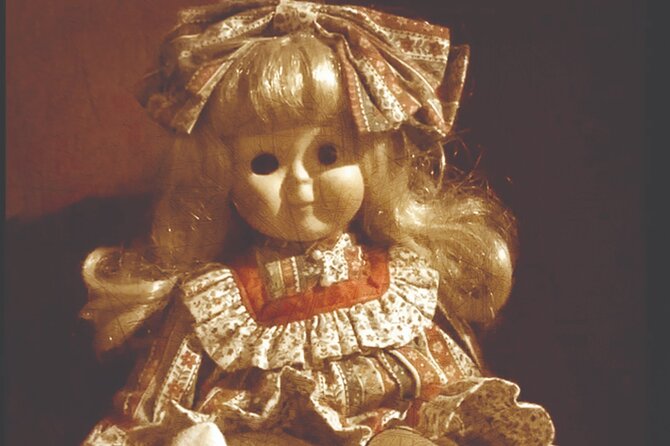
The museum’s collection of cursed objects includes dozens of Ouija boards and haunted dolls. These are the objects most likely to create the classic haunted-museum mood: familiar household items made unsettling by the stories attached to them.
The Ouija boards are interesting because the objects themselves are ordinary. Their power here comes from their reported histories and from the long cultural fear surrounding them. Seeing dozens together also gives you a sense of how strongly spirit communication has held the public imagination.
The dolls work in a different way. Dolls already resemble people, but not quite enough to feel natural. Add stories of whispers and unexpected movement, and even a quiet display can become uncomfortable. You may find yourself watching the objects more closely than you intended.
This is where the guide makes the biggest difference. RJ and Jack are not simply there to point at displays. Their job is to explain what each object is supposed to do, where its story comes from, and why it remains part of the collection. A good question can turn a quick look into a longer conversation.
The available accounts describe physical sensations during the visit, including lightheadedness, taps on the back, and feelings of contact around the ankles. One person also reported seeing a man upstairs, then realizing only three people were present. These are personal accounts, not facts you should expect to repeat. Still, they explain why the museum asks you to think carefully before visiting.
Salem witch hysteria and the danger of fear
The section on Salem witch hysteria gives the museum a useful historical anchor. The events of 1692 were not simply spooky tales. They show how fear, rumor, religious belief, and social pressure can produce real suffering.
That context keeps the tour from becoming only a parade of haunted objects. You get a chance to consider why people believed certain accusations, how panic spread, and how later generations turned the episode into a lasting symbol of American superstition.
I find this part valuable because it connects the supernatural to ordinary human behavior. You do not need to believe in ghosts to understand the force of fear. The Salem material also gives younger visitors a way into the subject through history, rather than asking them to accept paranormal claims at face value.
The exhibit may be especially useful for families who want a spooky activity with something to discuss afterward. A one-hour visit will not replace a full historical program, but it can open a conversation about evidence, belief, rumor, and the way scary stories change over time.
Civil War relics with a darker setting
Civil War relics add another layer to the museum. Their importance does not depend on whether you believe they carry spiritual energy. They connect the collection to a period of extraordinary violence and loss.
In a paranormal setting, historical objects can feel different from standard museum displays. You may find yourself thinking not only about what an item is, but also about the people who handled it and the events surrounding it. That does not prove anything supernatural, but it can make the past feel more immediate.
This portion also helps balance the more theatrical displays. Haunted dolls and Ouija boards depend heavily on stories. Civil War relics offer a more familiar path into the past, even when the museum presents them alongside claims of lingering energy.
If your main interest is military history, this will probably be a brief introduction rather than a full collection. If you enjoy the meeting point between documented history and ghost lore, the combination should suit you.
Other ghost walks and hunts we rate around the USA
- New Orleans Premier Ghost, Voodoo and Vampire Walking Tour
★ 4.5 · 12,856 reviews - Chicago: Gangsters and Ghosts Walking Tour
★ 5.0 · 7,155 reviews - Adults-Only New Orleans Ghost, Crime, Voodoo, and Vampire Tour
★ 5.0 · 6,545 reviews - Salem’s Best Ghost Tour
★ 4.5 · 4,186 reviews
The Mercy Brown vampire case
The Mercy Brown case is one of the museum’s most memorable historical subjects. In the nineteenth century, the story became tied to American vampire fears and the belief that the dead could harm the living.
The case reveals how communities once tried to explain illness and death. Before modern medical understanding was widely available, supernatural explanations could seem plausible, especially when several family members became sick or died.
That makes the display more than a horror story. It shows how grief can shape belief, and how a real person can later become part of a legend. The museum uses artifacts connected with this episode to show how America’s vampire folklore developed.
I would pay close attention here if you prefer the historical side of the museum. The Mercy Brown material offers a grounded way to think about the supernatural. You can enjoy the eerie tale while also asking what social and medical fears were operating underneath it.
A one-hour tour with a personal guide
The experience lasts about one hour, which is a sensible length for a focused museum visit. You get enough time to hear the main stories without committing to a long evening investigation or a full-day attraction.
The guide matters greatly in such a small setting. RJ led one family through the objects with enough detail that both a parent and a ten-year-old wanted to return and ask more questions. Jack led another tour with a lively approach that kept the walk-through fun and interactive.
Those two accounts suggest that the tone can depend on who guides your visit. You should expect storytelling and explanations rather than a silent look around. If you are curious about a particular object, ask about it. The small group setup gives you a better chance to talk than a large public tour would.
The tour is offered in English. Confirmation arrives at booking, and admission is included in the price. The museum is near public transportation, and service animals are allowed. Most people can participate, though the museum’s haunted reputation is an important part of the decision.
Is $140 good value for six people?
The price is $140 per group, with up to six people included. For a full group, that is about $23.33 per person. For four people, it is $35 each. For two people, it becomes $70 each, so the value improves sharply when you bring family or friends.
I like the private-group pricing because it lets you share the experience with people you know. A parent and child can discuss the objects together. Friends can compare what they noticed. Nobody has to worry about being surrounded by a large crowd during the more unsettling moments.
The tradeoff is the short duration. You are paying for a guided, story-based visit of roughly one hour, not a full afternoon at a large museum. That can be good value if you want a memorable Asbury Park activity and enjoy personal attention. It may feel expensive if you only want to browse artifacts without a guide.
The best way to judge the price is to ask what kind of outing you want. If you are already interested in haunted objects, the Mercy Brown case, or paranormal stories, the private group format adds real value. If you are only mildly curious, try to fill as many of the six spaces as possible.
Who will enjoy this museum most?
I would recommend the tour to people who enjoy a mix of history and supernatural folklore. It suits couples, families with older children, and small groups of friends who want a conversation starter rather than a standard sightseeing stop.
It can also work for people who are unsure about paranormal claims. You do not have to believe every story to appreciate the way the museum presents fear, superstition, death, and unusual objects. In fact, a skeptical visitor may enjoy asking how much comes from documented evidence, how much comes from tradition, and how much comes from the atmosphere.
I would think twice if you dislike haunted-house themes or find demonic imagery upsetting. The museum makes clear that its location has a haunted reputation. Reported sensations include touches, breathing sounds, lightheadedness, and sightings, so this is not the best choice for someone seeking a calm historical museum.
Children can participate, but the subject matter calls for parental judgment. The available family experience suggests a ten-year-old may find it fascinating, but reactions will vary. Talk with your child before visiting so the dolls, vampire story, and demonic associations do not come as a surprise.
Practical planning for Asbury Park
The museum is in Asbury Park, New Jersey, and near public transportation. The ticket is mobile, which keeps arrival simple, and confirmation is provided at booking.
Because the tour is offered in English, you should be comfortable following spoken explanations in English. Service animals are allowed, and most people can take part.
The experience is often booked about 15 days ahead. That is useful planning guidance, especially if you want a particular date or plan to gather a full group of six. Free cancellation is available if you cancel at least 24 hours before the start time. Cancellations or changes made within 24 hours are not accepted for a refund, and the cut-off uses local time.
Should you book the Paranormal Museum Tour?
Book it if you want a short, guided visit built around haunted artifacts, American superstition, and personal storytelling. The combination of Blue, the Ouija boards, haunted dolls, Salem material, Civil War relics, and the Mercy Brown case gives the hour more substance than a simple scare attraction.
I especially like it for a small group that can share the $140 cost. RJ and Jack bring a human element to the visit, and the setting gives you plenty to discuss afterward. Just go in with the right expectations: paranormal claims are part of the experience, not established fact, and the location openly has a haunted reputation.
If that sounds intriguing rather than uncomfortable, this unusual Asbury Park stop is worth booking. If you want only conventional history or a quiet museum atmosphere, spend your money elsewhere.
FAQ
Where is the Paranormal Museum Tour located?
The Paranormal Museum is in Asbury Park, New Jersey, in the United States.
How much does the tour cost?
The experience costs $140 per group for up to six people.
How long does the Paranormal Museum Tour last?
The tour lasts approximately one hour.
Is admission included in the price?
Yes. Admission to the Paranormal Museum is included.
What language is the tour offered in?
The experience is offered in English.
Can service animals participate?
Yes. Service animals are allowed.
What is the cancellation policy?
You can cancel at least 24 hours before the start time for a full refund. Cancellations or changes made less than 24 hours before the experience are not accepted for a refund.
Freshly reviewed haunts around the USA
- New Orleans French Quarter Dark History, Haunts, and Laughs Tour★ 5.0 · 30 reviews
- New Orleans’ Finest Haunted Pub Tour★ 4.5 · 38 reviews
- Cheers New Orleans! Cocktails, History, Voodoo & Paranormal Tour★ 4.0 · 4 reviews
- Haunted Drunken History Tour from New Orleans★ 5.0 · 135 reviews
- Destrehan Plantation Haunted Night Tour★ 4.5 · 100 reviews
- The Original Asbury Park Ghost Tour★ 4.5 · 29 reviews
- Adults-Only True Crime, Mafia, Dark History Tour★ 5.0 · 22 reviews
- New Haven’s Ghost Walk★ 3.5 · 69 reviews
USA Ghost Tours, compared.
New Orleans Premier Ghost, Voodoo and Vampire Walking Tour
Read our review →
Adults-Only New Orleans Ghost, Crime, Voodoo, and Vampire Tour
Read our review →
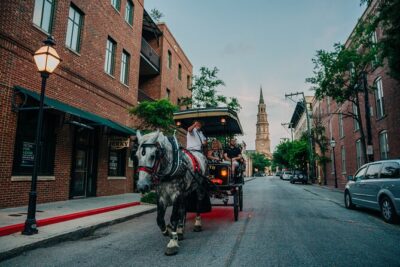
Haunted Evening Horse and Carriage Tour of Charleston
Read our review →
Savannah History and Haunts Candlelit Ghost Walking Tour
Read our review →
Ghosts of Charleston Night-Time Walking Tour with Unitarian Church Graveyard
Read our review →