Review · ISTANBUL, TURKEY
Ghost City istanbul Walking Tour
The best part of this Istanbul walk is the way it connects ancient monuments above ground with shadowy cisterns below it. You begin near the German Fountain, pass through the old Hippodrome area, and finish at the Basilica Cistern, with the Theodosius Cistern providing a quieter stop along the way.
I like the small maximum group of 15, which gives the guide room to answer questions. I also like the strong storytelling focus, especially when Rose leads the tour. She explains links between Medusa, the evil eye, and Turkish snake legends in a way that makes the stones feel less remote. The main drawback is simple: admission tickets are not included, so your final cost will be higher than the advertised price.
Key points to know before booking
- Two famous underground cisterns: See the Theodosius Cistern and Basilica Cistern, with separate admission fees.
- A compact historic route: The walk covers major sights in roughly two to three hours.
- English guidance: The tour is offered in English, with professional guiding and local taxes included.
- A small group: The maximum is 15 people, a useful size for hearing stories and asking questions.
- A strong guide option: Rose is praised for warm, lively explanations and unusual links between myths and monuments.
- Easy central finish: The tour ends at the Basilica Cistern, near Hagia Sophia and public transportation.
A short walk through Istanbul’s oldest ceremonial center
This experience is built around Istanbul’s historic core, the area once shaped by Roman and Byzantine power. The meeting point is the German Fountain at At Meydanı, the open square that occupies the former Hippodrome zone.
That location matters. You do not begin with a long transfer from a distant neighborhood. You start where imperial ceremonies, chariot races, public gatherings, and monuments once filled the city center. The walk stays focused on this compact part of Fatih, so most of your time goes to history rather than getting from one sight to another.
The tour lasts about two to three hours. That is enough time for a guided introduction without taking up an entire day. You should still expect a fair amount of standing and walking, since the experience links outdoor monuments with underground sites.
The group can reach 15 people. That is not a private tour, but it is small enough to keep the guide within earshot and make questions practical. If you enjoy a personal pace but do not want to pay private-tour rates, this format makes sense.
More Ghost Walking Tours in the world:
- New Orleans Premier Ghost, Voodoo and Vampire Walking Tour
★ 4.5 · 12,856 reviews - Chicago: Gangsters and Ghosts Walking Tour
★ 5.0 · 7,155 reviews - Prague: Ghost Walking Tour Where Legends Come To Life
★ 4.4 · 5,253 reviews
The Serpent Column and the old Hippodrome
The first stop is the Serpent Column, also called the Serpentine Column, near the center of the old Hippodrome. Admission is free, and the planned stop lasts about 10 minutes.
At first glance, the column can seem easy to overlook. It is not a towering monument, and its weathered bronze form sits amid the modern city. A guide gives it scale and purpose. The column was brought from Delphi and is associated with the Plataean victory tripod, making it a surviving link between ancient Greek religious and military history and Istanbul’s later imperial story.
The stop works best as an introduction. You get a quick lesson in how objects from earlier civilizations were reused and displayed in Constantinople. This is one reason I prefer seeing the monument with a guide rather than simply walking past it with a camera.
Do not expect a long visit here. Ten minutes is enough for an explanation and photographs, but not for an extended study. The value comes from the context, not from the length of the stop.
Theodosius Cistern: a quieter underground visit
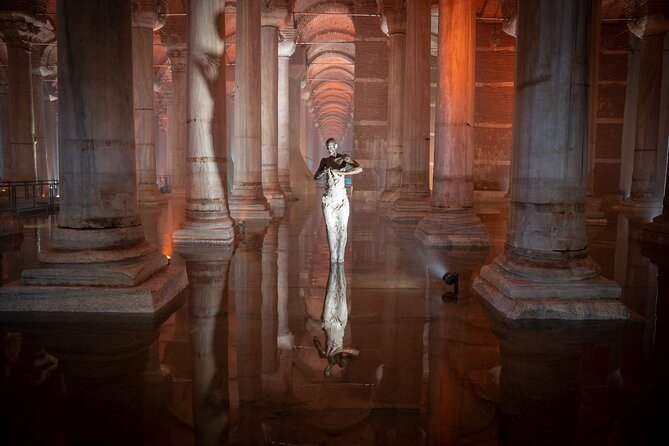
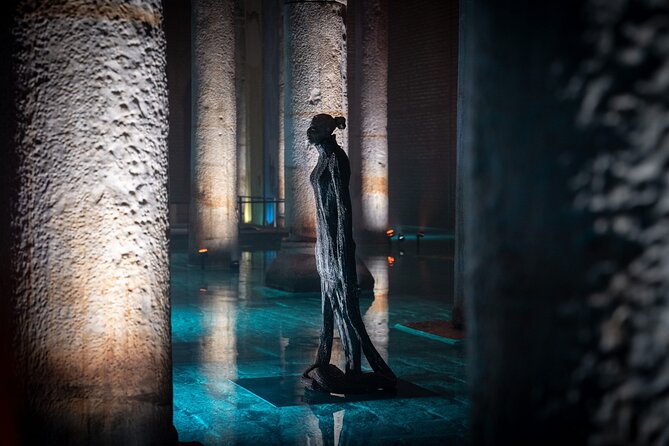
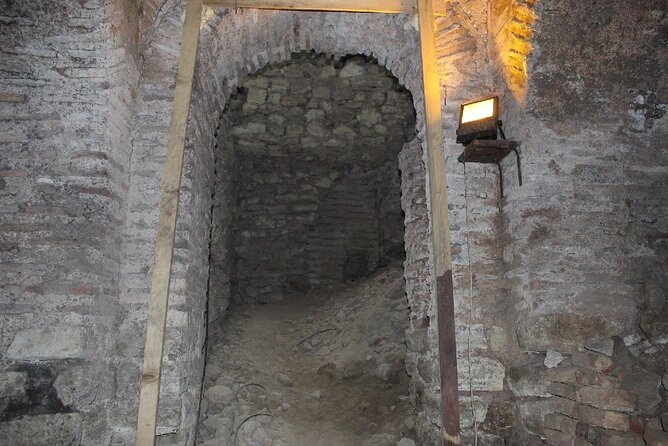
The Theodosius Cistern receives about 30 minutes. Its arches, columns, and water reflections create the kind of atmosphere many people associate with Istanbul’s underground architecture, but the space is presented as less crowded than the Basilica Cistern.
That difference can matter. The Basilica Cistern is the better-known sight, so the Theodosius Cistern gives you a chance to see a similar type of Byzantine engineering with a more intimate feel. The low light and reflected stonework can make the visit feel calm after the open square outside.
The cistern was built as part of the city’s water system, a reminder that Istanbul’s grand monuments depended on practical infrastructure. Underground reservoirs helped support a large imperial capital, and their size and design show how much planning went into keeping the city supplied.
Admission is not included. This is an important point when you compare the tour price with a simple walking route. You are paying for the guide and the organized visit, but you must also budget for entry at the cistern.
The listing describes this stop as a 30-minute visit. That should give you time to look around and hear the main explanation, but not necessarily to linger at every architectural detail. If underground sites are a major reason for booking, ask yourself if you would prefer a longer standalone visit.
Çemberlitaş and Constantine’s monumental column
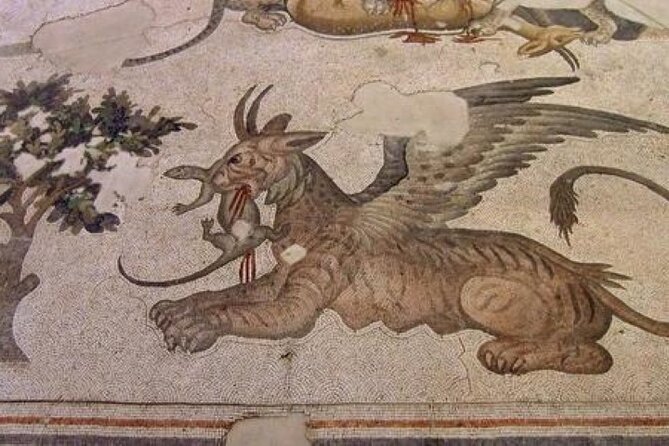
The route also includes Çemberlitaş Column, known as the Burnt Column or Column of Constantine. It was built in 330 in honor of Emperor Constantine I.
The monument helps you see how the city changed from Roman capital to Byzantine center and then Ottoman Istanbul. The column’s name reflects its damaged, darkened appearance, while its original purpose was political: it celebrated the foundation and importance of Constantine’s new imperial capital.
The information provided does not give a separate time allocation for this stop, so expect it to be a shorter explanation along the walking route rather than a long formal visit. That is perfectly reasonable. The column is best understood as part of the street itself, where modern life continues around an ancient imperial marker.
This is also a useful reminder that Istanbul’s history is not kept in one fenced-off park. You encounter it beside roads, shops, tram routes, and daily city traffic. A good guide helps you notice what you might otherwise pass without a second look.
Other ghost walks and hunts we rate around the world
- The World Famous Underground Ghost Tour
★ 4.5 · 9,272 reviews - Edinburgh: Haunted Underground Vaults and Graveyard Tour
★ 4.6 · 6,607 reviews - Adults-Only New Orleans Ghost, Crime, Voodoo, and Vampire Tour
★ 5.0 · 6,545 reviews - Prague: Ghosts, Legends, Medieval Underground & Dungeon Tour
★ 4.3 · 5,104 reviews
Basilica Cistern: the grand finale underground
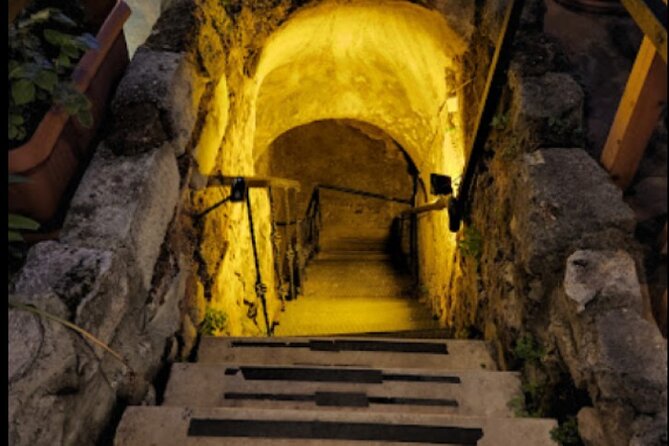
The Basilica Cistern is the final major stop, and the tour ends at its entrance on Yerebatan Street. The planned visit lasts about 30 minutes, and admission is not included.
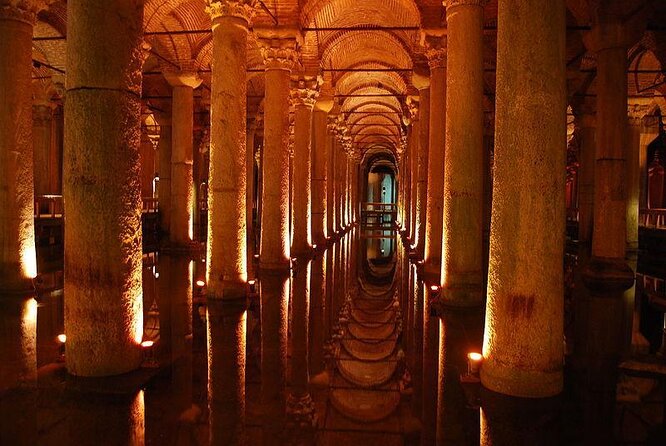
This is the most visually dramatic part of the route. The cistern is an enormous underground water reservoir supported by 336 marble columns. Dim lighting, water, and repeating arches create a theatrical setting that feels very different from the open courtyards and columns above.
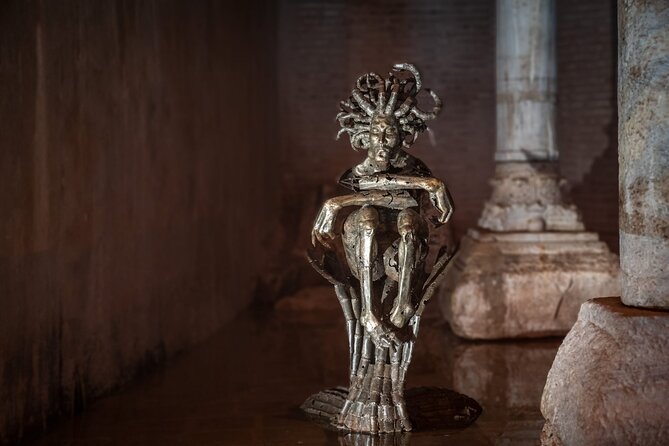
The recent renovation is part of the appeal. The space is presented as one of Istanbul’s most polished underground sights, with the architecture easier to appreciate than it may have been in a less updated setting. You can look for the famous Medusa-related features and listen for the stories that connect the monument to local beliefs and symbols.
Rose’s style seems especially well suited to this stop. Her explanations draw links between Medusa and the evil eye, along with the legend of Turkey’s own queen of snakes. Those connections give you more than dates and construction details. They show how old symbols continue to shape the way people interpret places.
The 30-minute allocation is useful for a first look, but it is not a full exploration. If you want extensive photographs or time to inspect every column, you may want to return later on your own. Since the walk ends here, that return is easy to plan.
Gulhane ParkI SarnIcI and the aquarium connection
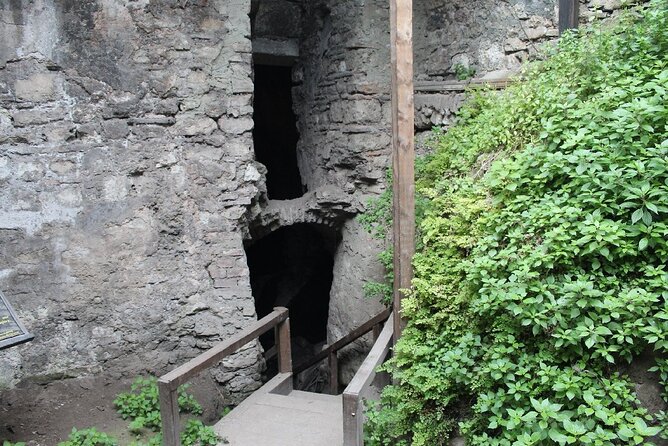
The itinerary also lists Gulhane ParkI SarnIcI as a brief 10-minute stop with free admission. The description explains that the site was once used as an aquarium, which helps account for its current layout, and that it is now open to the public.
This is a more unusual stop than the two major cisterns. The information provided does not give a full architectural history or a detailed explanation of what you will see, so I would treat it as a quick extra rather than the central reason to book.
Its value is that it adds another layer to the route. Istanbul’s underground and historic spaces have not all been preserved in exactly the same way. Some have been adapted, reused, or opened for new public purposes. A short visit here can help you compare a former aquarium setting with the larger cisterns on the route.
Because only 10 minutes are planned, keep your expectations modest. You are getting a snapshot, not a lengthy museum visit.
What Rose adds to the experience
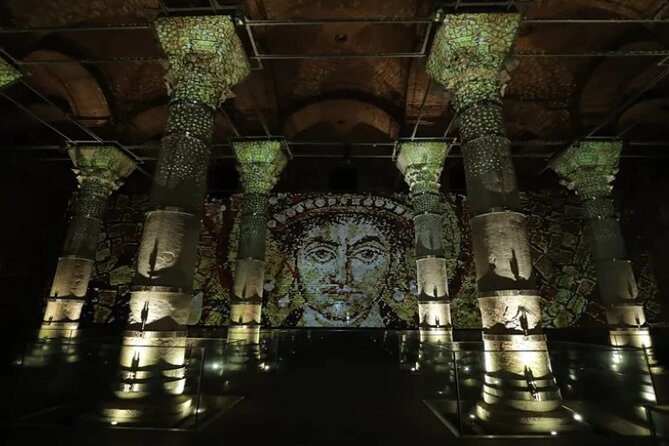
A guide can make or break a history walk. The strongest praise for this experience centers on Rose, who is described as warm, enthusiastic, patient, and engaging.
Those qualities matter in Istanbul because the monuments often need explanation before their importance becomes clear. The Serpent Column is not huge. Çemberlitaş is worn and surrounded by modern streets. A guide must give you a reason to pause, then explain why each object belongs in the larger story.
Rose’s approach also appears to go beyond memorized dates. Her stories connect different eras and cultures, and she answers questions in detail. The references to Medusa, the evil eye, and a Turkish snake queen suggest that she uses mythology to make the sites easier to remember.
Guide assignments can change, so I would not treat Rose as guaranteed unless her name appears when you book. But if she leads your walk, expect a strong focus on storytelling and cultural connections rather than a fast list of facts.
Is $64.46 a fair price?
At $64.46 per person, this is not the cheapest way to see the historic center. The key question is what you want the fee to cover.
The price includes professional guidance and local taxes. It does not include the tickets for the Theodosius Cistern or Basilica Cistern, and tips are also excluded. You need to add those admission costs before comparing this with an independent visit.
The value is strongest for someone who wants structure and interpretation. In two to three hours, you cover several important sites, receive English explanations, and avoid having to build your own route between them. The small group limit also gives the experience more personal attention than a large coach excursion.
The value is weaker if you already know the area well or prefer to read signs at your own pace. You could walk between the outdoor monuments independently, then decide which cisterns deserve an admission fee. The tour earns its price through the guide, not through included entry.
I would also keep the extra cost in mind for families or groups. Since group discounts are available, check the booking price for your party rather than assuming every person pays the standard rate.
Timing, transport, and practical details
The meeting point is the German Fountain in Binbirdirek, near At Meydanı in Fatih. The ending point is the Basilica Cistern at Alemdar, a useful location if you plan to continue toward Hagia Sophia or other central sights.
The route is near public transportation, which makes it easier to reach without arranging a private transfer. The activity is offered in English only, so you should be comfortable following a guided explanation in that language.
The booking confirmation arrives at the time of booking. Most people can participate, according to the supplied details, but the walk still involves standing, moving between sites, and entering underground spaces. If you have a mobility concern, contact the operator before paying rather than assuming every part of the route will suit you.
Free cancellation is available up to 24 hours before the start time for a full refund. Changes or cancellations made less than 24 hours before the start time are not accepted for a refund, and the cut-off uses Istanbul local time.
Who will get the most from this walk?
I would recommend it to a first-time visitor who wants a compact introduction to the old city without spending a full day on a large sightseeing program. The mix of outdoor monuments, Roman and Byzantine stories, and two cisterns gives you a clear sense of how the city developed.
It also suits people who enjoy legends and cultural connections. If you want more than construction dates, the stories involving Medusa, the evil eye, and snake mythology should make the monuments easier to remember.
Families and mixed-age groups may appreciate the short stops. No single outdoor monument receives a long lecture, and the cisterns provide a change of setting. Still, younger children may find 30 minutes in each underground space less engaging if they are not interested in old buildings.
I would be less likely to recommend it to someone who wants a slow architectural study. The schedule includes several stops in a short period, and the main cistern visits are each planned for about 30 minutes. For a relaxed photography session, an independent visit may work better.
Should you book the Ghost City Istanbul Walking Tour?
Book it if you want a guided introduction to Istanbul’s historic center, especially if you like stories that connect monuments with myth and belief. The small group, central route, English guidance, and strong praise for Rose make it a sensible choice for a first visit.
Before booking, add the separate admission fees to the $64.46 price and decide if a two to three hour schedule suits you. If you want expert interpretation and an easy route through several major sights, the tour offers good value. If you mainly want entry to the cisterns and plenty of time inside them, buy tickets independently and set your own pace.
FAQ
How long does the Ghost City Istanbul Walking Tour last?
The tour lasts approximately two to three hours.
What language is the tour offered in?
The tour is offered in English.
Where does the tour start?
It starts at the German Fountain, at Binbirdirek, At Meydanı Cd, 34122 Fatih, Istanbul.
Where does the tour end?
It ends at the Basilica Cistern, Alemdar, Yerebatan Cd. 1/3, 34110 Fatih, Istanbul.
Are admission tickets included?
No. Tickets and entry admissions are not included in the tour price. Tips are also not included.
How many people can join the tour?
The activity has a maximum group size of 15 people.
Can I cancel for a full refund?
Yes. You can cancel at least 24 hours before the experience start time for a full refund. Cancellations or changes made less than 24 hours before the start time are not accepted for a refund.
Freshly reviewed haunts around the world
- New Orleans French Quarter Dark History, Haunts, and Laughs Tour★ 5.0 · 30 reviews
- New Orleans’ Finest Haunted Pub Tour★ 4.5 · 38 reviews
- Cheers New Orleans! Cocktails, History, Voodoo & Paranormal Tour★ 4.0 · 4 reviews
- Haunted Drunken History Tour from New Orleans★ 5.0 · 135 reviews
- Destrehan Plantation Haunted Night Tour★ 4.5 · 100 reviews
- The Original Asbury Park Ghost Tour★ 4.5 · 29 reviews
- New Haven’s Ghost Walk★ 3.5 · 69 reviews
- Ghosts of Tonopah Haunted History GPS/APP Smartphone guided Walking Tour outside★ 4.5 · 7 reviews
Ghost Walking Tours, compared.

New Orleans Premier Ghost, Voodoo and Vampire Walking Tour
Read our review →
London: The Original Jack the Ripper Walking Tour
Read our review →

Prague: Ghost Walking Tour Where Legends Come To Life
Read our review →
Savannah History and Haunts Candlelit Ghost Walking Tour
Read our review →

Ghosts of Charleston Night-Time Walking Tour with Unitarian Church Graveyard
Read our review →