
Review · AYIA NAPA, CYPRUS
Ghost-Town Famagusta Mini Bus Tour from Protaras and Ayia Napa
Famagusta is not a normal sightseeing stop. Behind fences and checkpoints, the abandoned Varosha district still holds empty hotels, shuttered shops, and streets left largely untouched since the 1974 conflict. You see it first from a rooftop in Derynia, then cross into the northern part of Cyprus for a closer look.
I like the small-group format, capped at 16 people, and the way hotel pickup, border transport, parking, and sightseeing fees are folded into the price. I also like the human side of the guiding. George, Athos, and Olga have each been praised for explaining the past through personal stories, not just dates.
The main caution is timing. It is advertised as about four and a half hours, but a passionate guide can run well over that. Pickup communication has also been uneven on some days, so keep your morning flexible and confirm the meeting details before you go.
Key points to know before booking
- See Varosha from two angles: Start with a rooftop view from Derynia, then walk through the permitted streets of the abandoned resort area.
- Cross-border travel requires your passport: Armenian, Nigerian, and Serbian passport holders are not accepted for this crossing.
- Guides add a personal layer: George, Athos, and Olga are among the guides associated with this experience, with Athos in particular sharing firsthand memories of 1974.
- You get old Famagusta too: The tour includes the walled city, moat, Gothic buildings, churches, cafés, and free time to explore.
- The price covers the basics: At $60.49, you pay for transport, hotel pickup and return, a driver-guide, local taxes, and included sightseeing access.
- Wear sensible shoes and expect emotion: Walking through empty streets and viewing abandoned beachfront hotels can be unsettling as well as fascinating.
Why Famagusta feels different from an ordinary day trip
Famagusta gives you a rare look at a divided city and an abandoned resort in the same outing. The place is not preserved as a polished museum. You see fences, restricted roads, weathered buildings, and a coastline where holiday hotels once served a busy international resort.
That contrast is the point. You are not simply ticking off another ancient site. You are looking at the remains of a modern town shaped by conflict and displacement. Some sections are open for walking, while other roads and buildings remain off limits. That limitation is important: you do not get to roam everywhere, but the allowed route gives you a clear sense of what happened.
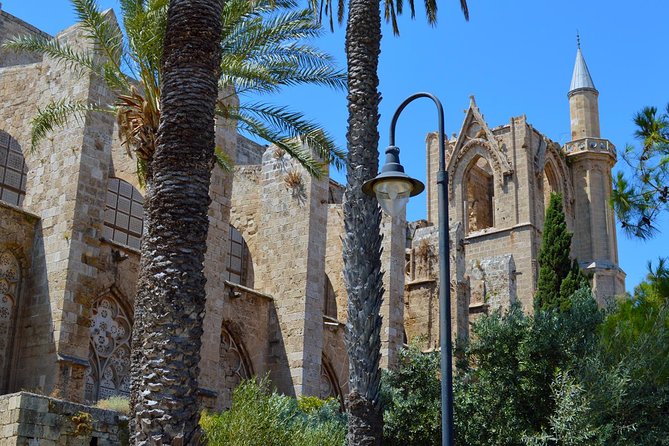
The tour also avoids making Famagusta only about the ghost town. The old walled city adds a second layer, with medieval defenses, churches, cathedrals, and narrow streets that still function as part of a living town. The result is a half-day that moves from modern political history to centuries-old architecture.
More Ghost Bus Tours in the world:
- Edinburgh: Comedy Horror Ghost Bus Tour
★ 4.4 · 3,932 reviews - Comedy Horror Show: York Ghost Bus Tour
★ 4.4 · 3,032 reviews - Ghost Bus Tour of Edinburgh
★ 4.5 · 2,761 reviews
The Derynia viewpoint gives the best introduction
Your first stop is the Cultural and Heritage Center in Derynia. Inside, a short film shows Famagusta before the invasion. This is a useful start because the abandoned hotels make more sense when you have first seen the resort as it once was.
You then go to the roof, where binoculars are provided for a closer view across the border. From here, you see Famagusta at a distance before entering the area itself. That pause helps you get your bearings and gives the guide room to explain the division of the island.
Allow about 20 minutes here. You can buy coffee and refreshments at the center, which is worth considering because food and drinks are not included later. The stop is short, so do not expect a long museum visit or a full historical presentation indoors.
Still, it does an effective job. The film and rooftop view connect the old photographs and stories with the modern scene in front of you. For me, that makes the later walk more meaningful than arriving at the border with no context.
Crossing the border into Famagusta
You need a passport for border control, and you should check the nationality restrictions before paying. Armenian, Nigerian, and Serbian passport holders are not accepted for this crossing according to the tour conditions.
Once across, the minibus drives beside the fence around Varosha, the part of Famagusta best known as the ghost town. The route brings you close to the deserted hotels along the sandy beach. You may see the sea and shore beside buildings that have been closed off for decades, a strange pairing that makes this part of the trip difficult to forget.
The sight is powerful partly because the buildings are not ancient ruins. They are modern hotels and commercial properties, designed for holidaymakers and left in a state of decay. You can still read the shape of a former resort in the empty façades and shopfronts.
Your guide is especially important here. George is described as warm and funny, while Athos is associated with firsthand memories of the 1974 events. Olga has also been praised for explaining the invasion clearly and sharing personal experience. The quality of the commentary can vary, and one practical complaint is that it may be hard to hear from the back of the minibus.
If you are given a choice, sit near the guide rather than at the very rear. That small decision can make a real difference, especially when the vehicle is moving and the guide is speaking from the front.
Walking through the abandoned resort
The walking portion takes about 40 minutes. You follow an open route through the streets of the abandoned hotels and former shopfronts toward the Golden Sand shore, then return.
Do not expect a long beach walk. Access is limited, and the tour follows the streets that are open for visitors. The power comes from the setting, not from covering a large distance. A few minutes beside a deserted hotel can say more than a long lecture.
This section can feel sad, uncomfortable, or even surreal. The coastline remains attractive, while the buildings behind it show neglect and loss. Seeing people enjoying the beach near derelict hotels and barriers may also raise difficult questions about how different groups view the site.
Your guide may tell stories about residents who left suddenly and never returned. Those personal accounts are among the strongest parts of the experience. At the same time, you should remember that the presentation may reflect the guide’s own background and view of the conflict. One person wanted a more balanced explanation of why the war began and why Turkey invaded. If that wider political context matters to you, read a little beforehand.
The walking is manageable for most people with moderate fitness, but you should wear comfortable shoes. The ground, heat, and emotional weight of the place can make the walk feel longer than its clock time.
Other ghost walks and hunts we rate around the world
- New Orleans Premier Ghost, Voodoo and Vampire Walking Tour
★ 4.5 · 12,856 reviews - The World Famous Underground Ghost Tour
★ 4.5 · 9,272 reviews - Chicago: Gangsters and Ghosts Walking Tour
★ 5.0 · 7,155 reviews - Edinburgh: Haunted Underground Vaults and Graveyard Tour
★ 4.6 · 6,607 reviews
Inside the old walled city
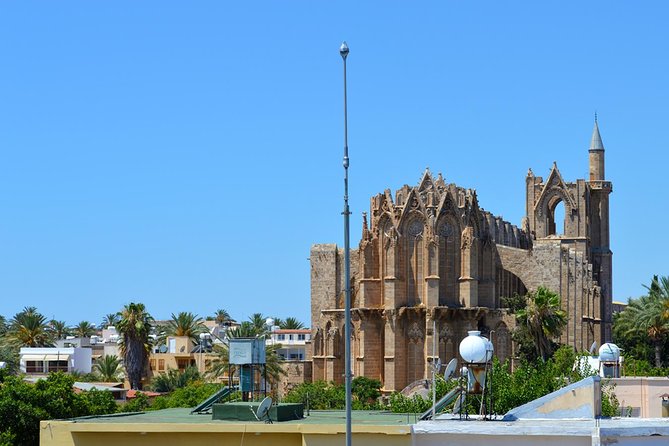
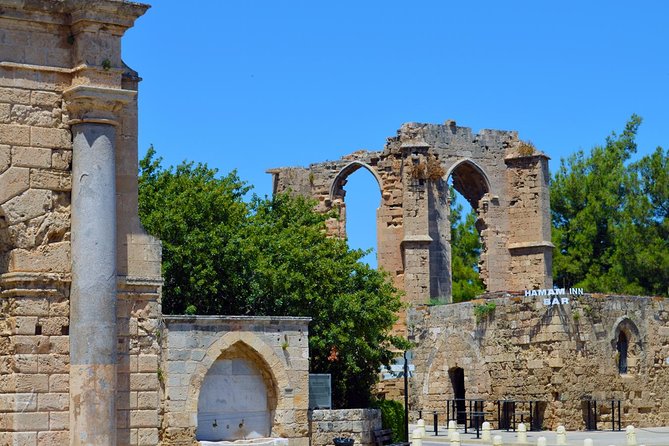
After Varosha, the tour continues to the old walled city of Famagusta. The minibus circles the moat, giving you a look at the heavy stone fortifications and towers before entering through the walls.
This is a welcome change of pace. The ghost town is mainly about recent events and empty modern buildings. The walled center turns your attention to older layers of Cyprus, including Gothic churches, cathedrals, and defensive architecture.
The itinerary refers to 365 churches and cathedrals that once stood here. You will not visit all of them, of course, but the number shows how important the city was over the centuries. The buildings and walls help explain why Famagusta was once a major center rather than simply a coastal resort.
You get free time to walk around, visit sights, or sit with a coffee and local sweets. This is one of the tour’s better choices. After several hours of guided commentary, you can slow down and explore at your own pace.
The free time also lets you decide how much more walking you want. If the ghost town has left you thoughtful or tired, a quiet café stop may be more useful than rushing after another landmark. If you want more photographs and architecture, the old city gives you room to do that.
What the guides add, and where the tour can vary
The strongest guiding comes from people who can connect the place to lived experience. Athos is especially associated with having been present during the events surrounding the invasion, and his stories have made a lasting impression on many participants. His personal connection can make the trip feel immediate rather than academic.
George is often described as both funny and informative. That combination matters on a sad outing. A little humor can keep the mood from becoming too heavy, while clear explanations help you understand what you are seeing.
Olga has also been praised for presenting the story well. Since different guides lead the tour, your experience may depend on who is assigned that day. Some guides speak more fluently than others, and the tone may be more personal or more factual.
The company has a maximum group size of 16, though groups can be smaller. One particularly comfortable outing had only six people, making it easier to ask questions and stay close to the guide. A small group also helps at the viewpoint and during the old-city walk.
There are a few practical service issues to keep in mind. One booking was assigned to the wrong trip and required repeated calls to receive a refund. Another pickup ran late, with the group waiting about an hour before receiving clear information. These do not describe every departure, but they are good reasons to confirm your hotel name, pickup area, and approximate time in advance.
The listed pickup window is about 7:45 to 8:00 a.m. for Kapparis, Pernera, and Protaras, and about 8:15 to 8:30 a.m. for Ayia Napa. If you are staying elsewhere, you need to arrange your own way to one of those areas or ask for a suitable meeting point.
Is $60.49 good value?
At $60.49 per person, this is not the cheapest way to reach Famagusta. The value comes from the amount of organization included in a short outing: hotel pickup and return, a driver-guide, the border crossing, transport between several sites, local taxes, and no separate fuel, parking, or sightseeing charges.
You also avoid figuring out the route yourself or dealing with border logistics alone. For many people, that convenience justifies the price, especially when staying in Ayia Napa or Protaras and wanting a half-day rather than a full-day commitment.
The value is less clear if you mainly want independent time in the old city or a long walk along the coast. The ghost town route is controlled, the walking section is brief, and food and drinks cost extra. An open-top bus may be cheaper in some cases, though it may not match this departure time or provide the same small-group guiding.
The tour is best value for you if you want context, transport, and a guide who can explain the personal cost of Famagusta’s history. It is less suitable if you dislike early starts, fixed routes, or emotionally difficult subjects.
Timing, comfort, and realistic expectations
The advertised duration is about four hours and 30 minutes. Plan around that, but do not schedule an important appointment immediately afterward. A guide who has personal memories and many stories may run late, and one recorded outing lasted close to eight hours.
That longer duration is not the standard plan, but it shows why flexibility matters. The early start also came up as a concern. Since pickup begins before 8:00 a.m. in Protaras and nearby areas, this is not a lazy holiday morning.
The minibus provides practical transport, though vehicle comfort can vary. Air conditioning has been an issue on at least one departure, which could matter during hot weather. Bring water, wear light clothing, and keep a small amount of cash for refreshments.
The activity operates in all weather conditions, but poor weather can lead to cancellation, with a different date or full refund offered. You can cancel for a full refund up to 24 hours before the start time. Changes or cancellations inside that window are not accepted for a refund.
Who should book this Famagusta tour?
I would choose this experience if you want to understand Cyprus through a place that still carries the marks of division. It suits adults, couples, families with older children, and anyone interested in recent political history, abandoned places, or unusual border experiences.
A 12-year-old enjoyed one trip, helped by a quiz from the guide and the change of scenery. That suggests the outing can work for children who can handle serious subject matter, though the abandoned resort and stories of displacement may not suit every child.
You should think twice if you want a carefree beach excursion. This is a serious outing, even when the guide is funny. You will see decay, restricted areas, and reminders of people forced to leave their homes.
Should you book it?
Book it if you want a well-organized first look at Famagusta, with transport from Protaras or Ayia Napa and a guide who can put the abandoned resort into human context. The combination of the Derynia viewpoint, Varosha, and the old walled city gives you more than a quick photo stop.
Before booking, confirm that your passport is accepted, check the pickup details, and leave extra time after the tour. Sit near the guide, wear comfortable shoes, and bring water and money for coffee or food.
I would recommend it to curious, patient visitors who want an important experience rather than a polished attraction. If that sounds like your kind of day, the sadness and strangeness of Famagusta will stay with you long after the minibus returns.
FAQ
How long does the Famagusta tour take?
The planned duration is approximately four hours and 30 minutes. It can take longer if the guide spends extra time sharing stories and explanations, so keep your schedule flexible.
Where does the tour pick up?
Pickup is offered from Kapparis, Pernera, Protaras, and Ayia Napa. Approximate pickup is 7:45 to 8:00 a.m. from Kapparis, Pernera, and Protaras, and 8:15 to 8:30 a.m. from Ayia Napa.
Do I need my passport?
Yes. A passport is required for border control. Armenian, Nigerian, and Serbian passport holders are not accepted to cross the border for this tour.
Is food included?
No. Refreshments, food, and drinks are not included. Coffee and refreshments can be bought at the Derynia Cultural and Heritage Center, and you can purchase food or sweets during free time in the old city.
How large is the group?
The tour has a maximum of 16 participants. Group sizes may be smaller, depending on bookings.
What happens if the tour is canceled?
If poor weather causes cancellation, you will be offered another date or a full refund. If the minimum number of participants is not reached, you will also be offered another date or experience, or a full refund.
Freshly reviewed haunts around the world
- New Orleans French Quarter Dark History, Haunts, and Laughs Tour★ 5.0 · 30 reviews
- New Orleans’ Finest Haunted Pub Tour★ 4.5 · 38 reviews
- Cheers New Orleans! Cocktails, History, Voodoo & Paranormal Tour★ 4.0 · 4 reviews
- Haunted Drunken History Tour from New Orleans★ 5.0 · 135 reviews
- The Original Asbury Park Ghost Tour★ 4.5 · 29 reviews
- Destrehan Plantation Haunted Night Tour★ 4.5 · 100 reviews
- New Haven’s Ghost Walk★ 3.5 · 69 reviews
- Ghosts of Tonopah Haunted History GPS/APP Smartphone guided Walking Tour outside★ 4.5 · 7 reviews
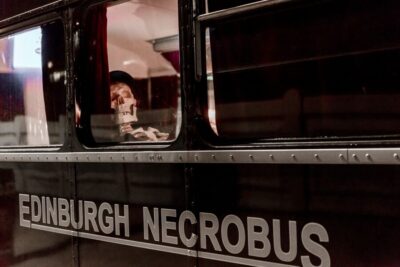
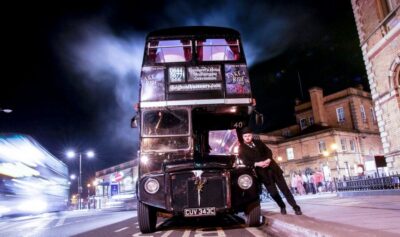
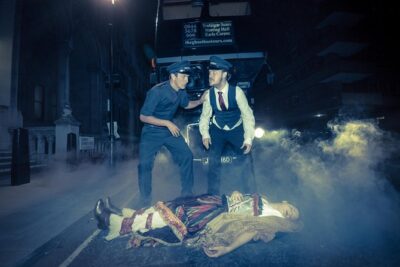
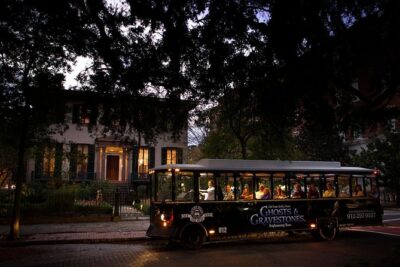
Ghost Bus & Trolley Tours, compared.
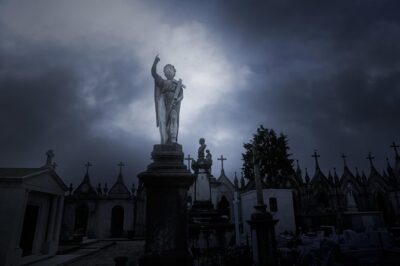
Cemetery and Ghost BYOB Bus Tour in New Orleans
Read our review →
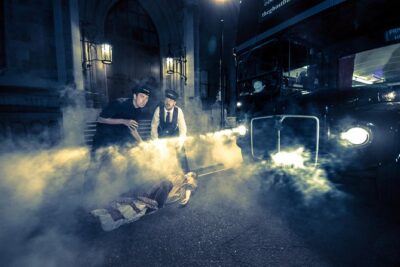
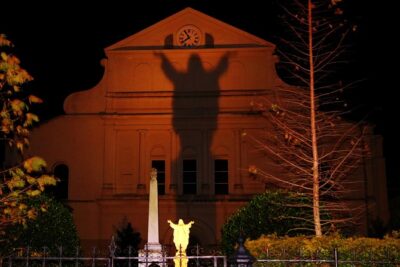
New Orleans Dead of Night Ghosts and Cemetery Bus Tour
Read our review →Browse the lists this tour appears in