
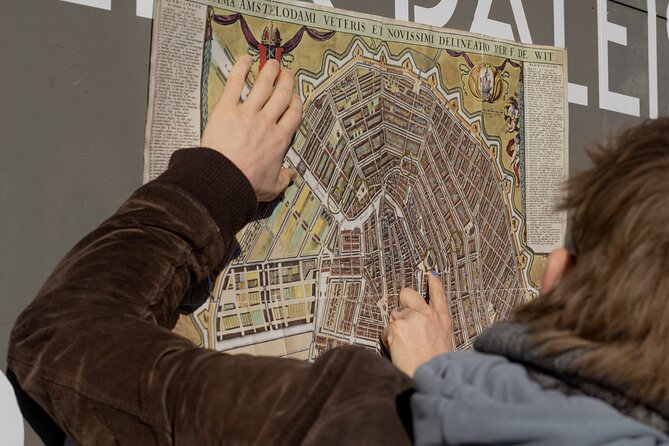
Review · AMSTERDAM
Guided Walking Tour Amsterdam – Legends, History & Ghost Stories
Amsterdam’s darker stories begin at Waterloo Square, then lead you through old streets, ghost tales, witchcraft accusations, sailor lore, and a mysterious woman in one of Rembrandt’s drawings. This is not a haunted-house act. It is a brisk walk through the city’s past, where fact, rumor, and mass imagination often sit side by side.
I like the small group limit of 12, which should make it easier to hear the guide and ask questions. I also like the research-heavy approach, especially the use of archival documents and original sources described by guide Luuk. The main consideration is simple: this tour leans more toward history and urban legends than outright scares.
Key details before you book
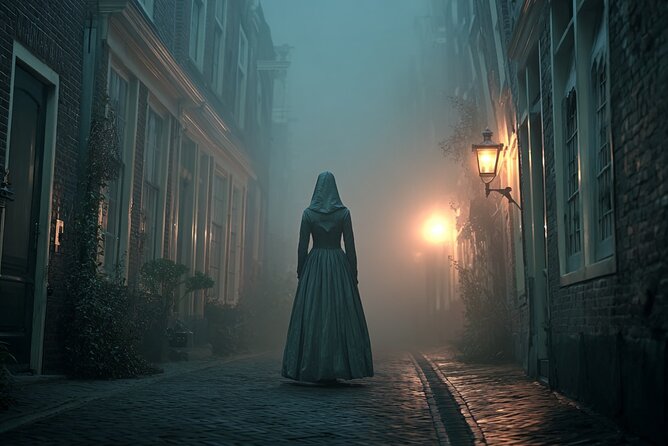
- A 90-minute route from Blauwbrug to Central Station: The walk crosses several old parts of central Amsterdam and finishes near Prins Hendrikkade.
- Ghost stories with historical grounding: Expect questions about what people actually saw, what may have been staged, and how rumors spread.
- A witchcraft case from 1624: The Nieuwmarkt stop connects one woman’s accusation with the meaning behind nearby Blood Street.
- Three tales along Zeedijk: Ghost Alley, the sailor café In ’t Aepjen, and the Weeping Tower each show a different side of old Amsterdam.
- English guiding for up to 12 people: The tour is offered in English and is best suited to people comfortable walking for about an hour and a half.
- A modest price with flexible cancellation: At $24.04 per person, the tour costs less than many longer city excursions, and you can cancel free of charge up to 24 hours before the start.
Why Amsterdam’s ghost stories work best on foot
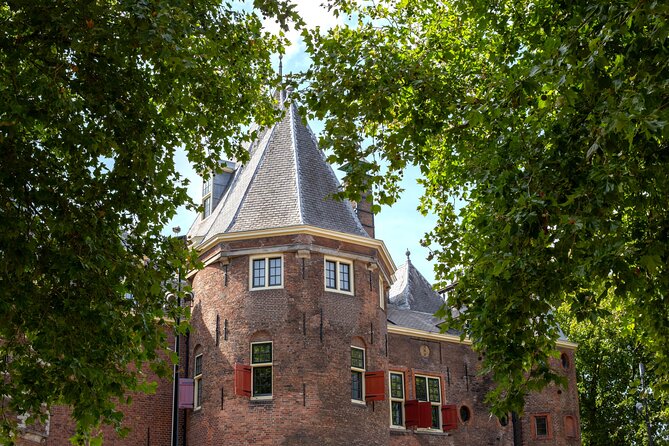
Amsterdam can feel polished and orderly today, but the oldest streets still carry traces of a rougher city. Narrow lanes, canals, old trading streets, former public buildings, and grand but odd-looking structures give the stories a physical setting. You are not hearing disconnected tales in a dark room. You are standing in the places where the legends took shape.
The route also benefits from its short length. At about 1 hour and 30 minutes, it gives you a focused evening activity rather than taking over half your day. You can fit it between sightseeing plans, dinner, or a later walk around the center.
The tone matters. The available information makes clear that this is heavier on historical evidence and urban legends than on spooky theater. If you want actors, sudden noises, or staged scares, this is probably not the right choice. If you like asking what really happened behind a ghost story, you should find more to chew on here.
More Ghost Story Tours in the world:
- Prague: Ghost Walking Tour Where Legends Come To Life
★ 4.4 · 5,253 reviews - Prague: Ghosts, Legends, Medieval Underground & Dungeon Tour
★ 4.3 · 5,104 reviews - Prague: Ghosts and Legends of the Old Town Evening Tour
★ 4.5 · 3,091 reviews
Waterloo Square begins the evening with eerie questions
The first stories are set around Waterloo Square, a useful place to begin because the tour starts with atmosphere rather than a long introduction. The area gives the guide a setting for the city’s eerie side before the walk moves into more specific cases.
You can expect the guide to establish the difference between a documented event and a tale that grew with each retelling. That approach is important in a city where old stories may have started with a real death, a strange sight, or a public disturbance, then gathered supernatural details over time.
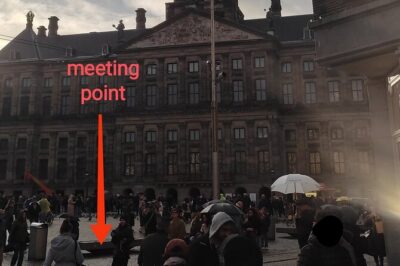
This opening is also practical. Blauwbrug is the starting point at 1011 PT Amsterdam, and the route then moves westward through central neighborhoods toward the station. Check the meeting point carefully before setting out, since the tour does not begin at the final stop.
The 1833 apparitions raise the right kind of question
One of the most intriguing episodes concerns crowds who gathered for days in 1833 to see ghost appearances. The question is not simply who was haunting the place. You will consider what the crowds may have witnessed, including the possibility of trickery, rumor, or mass imagination.
That makes this section stronger than a standard ghost story. It gives you a way to think about public belief in the past. A crowd can transform a strange event into a widely accepted supernatural claim, especially when people repeat the story before anyone has checked the facts.
I appreciate this sort of uncertainty. A guide who admits that the evidence does not settle every question gives you more than a neat answer. You get a sense of how stories work, and why they can grip a city for days.
Nieuwmarkt connects witchcraft with Blood Street
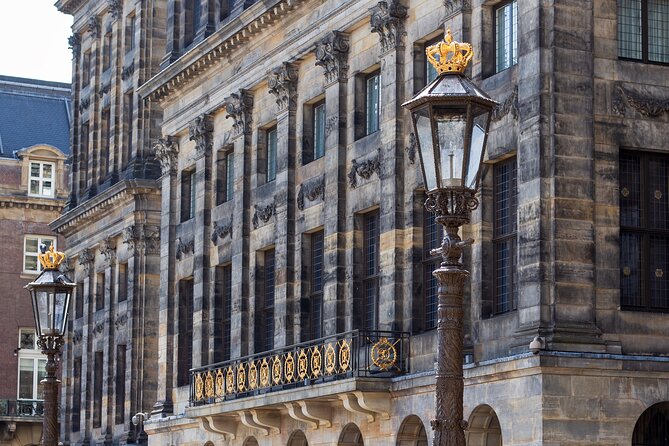
At Nieuwmarkt, the focus turns to a woman accused of witchcraft in 1624. The subject brings Amsterdam’s legal and social past into the walk, since an accusation could carry serious consequences even when proof was uncertain.
The nearby Blood Street adds another useful layer. Its name points toward the harsher side of the city’s past, and the guide uses it to explain what street names can preserve. Amsterdam’s old center is full of names that sound colorful or strange today. A good explanation shows you that these names often reflect work, punishment, trade, religion, or violence.
This stop is likely to suit you if you prefer social history to simple ghost lore. The witchcraft story has a supernatural label, but the more interesting issue is often how a community decides who to fear and blame.
More Ghost Walking Tours in the world:
- New Orleans Premier Ghost, Voodoo and Vampire Walking Tour
★ 4.5 · 12,856 reviews - Chicago: Gangsters and Ghosts Walking Tour
★ 5.0 · 7,155 reviews - Savannah History and Haunts Candlelit Ghost Walking Tour
★ 5.0 · 3,235 reviews - Ghosts of Charleston Night-Time Walking Tour with Unitarian Church Graveyard
★ 4.5 · 2,835 reviews
Old streets and landmarks show the city behind the legends
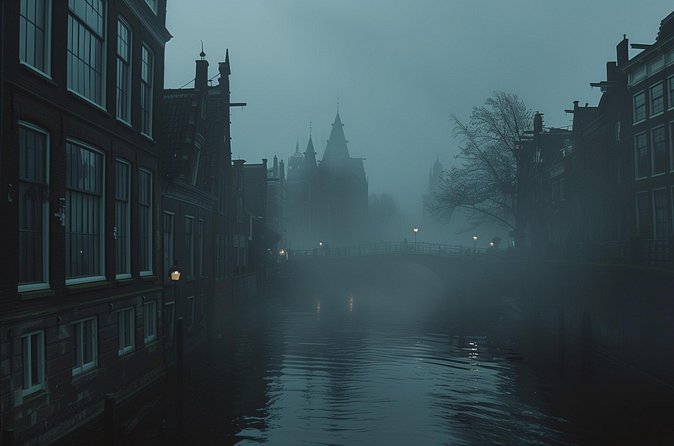
The walk then reaches one of Amsterdam’s oldest streets, with landmarks such as the Spinhuis and the Trippenhuis. These buildings help place the stories within the city’s changing institutions and wealthy homes.
The Spinhuis is especially useful in a tour that examines crime, punishment, and public morality. The Trippenhuis brings a different mood, tied to the grander side of Amsterdam’s past. You are not just moving from one spooky anecdote to another. The route places ordinary people, prisoners, merchants, and powerful families within the same urban story.
The exact amount of time spent at each landmark can vary, so do not expect a full architectural tour. The focus remains on the legends and historical episodes connected with the streets. Still, the buildings make the account easier to remember than a list of names would be.
Zeedijk brings sailors, ghosts, and the Weeping Tower
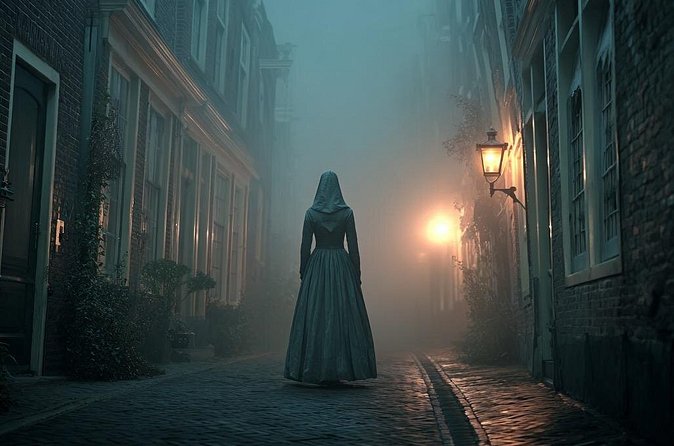
Along Zeedijk, three stories reveal the city’s colorful and sometimes troubling past. The first involves Ghost Alley, which gives the walk its most direct supernatural flavor.
The second centers on In ’t Aepjen, a sailor’s café. Its inclusion broadens the tour beyond ghosts. Sailors, drinking places, and waterfront streets were part of Amsterdam’s working life, and the café story shows how ordinary businesses can become wrapped in local legend.
The third tale concerns the Weeping Tower. Together, these three stops create a good change of pace. You move from a haunted lane to sailor culture, then to a landmark with a sorrowful name. That range helps keep the tour from feeling like a string of similar ghost accounts.
For you, the biggest benefit is variety. If every stop involved a specter, the format could grow repetitive. Zeedijk adds people, work, drinking, travel, and grief to the mix.
Near Central Station, art and an odd hotel enter the story
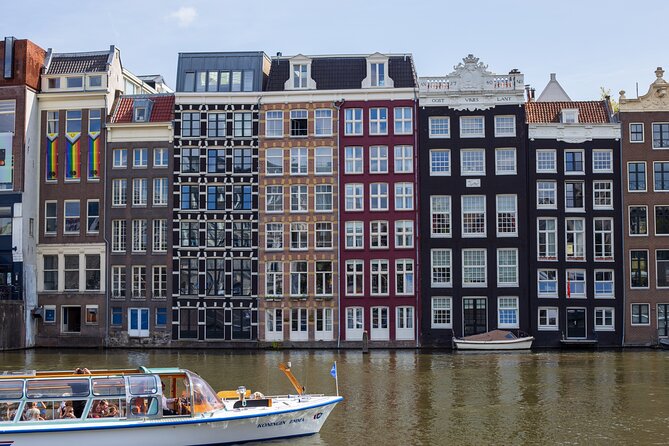
Near Central Station, the tour uncovers the odd grandeur of a historic hotel. The supplied details do not name the hotel, so you should not expect a specific property to be promised in advance. The point is the building’s unusual character and the story attached to it.
The route then steps into one of Rembrandt’s drawings, where a mysterious woman appears on the gallows fields. Her identity has remained unknown for centuries. This is a strong example of how art can preserve a question without answering it.
I like this part because it links the city streets to a visual record. You are not only hearing about a place where something may have happened. You are considering how an artist represented a woman, a punishment site, and an unknown identity.
The phrase gallows fields also gives the tour a darker edge without needing theatrical effects. The story rests on an image and a mystery. You can decide for yourself how much is fact, interpretation, or later speculation.
Warmoesstraat closes with Amsterdam’s rougher reputation
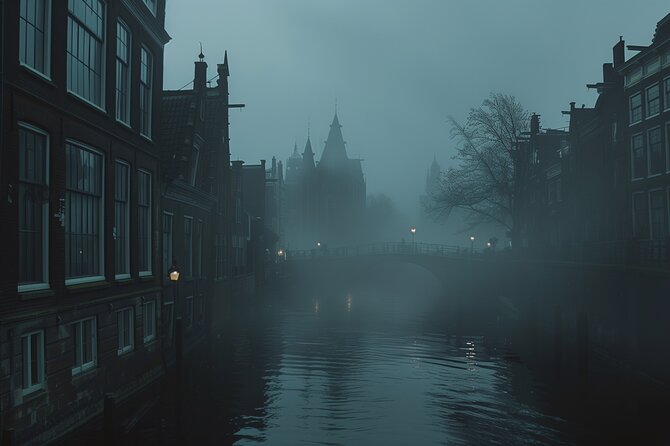
Warmoesstraat has passed through centuries of markets, deals, and less respectable activity. It is a fitting final stretch because it gathers several themes from the walk: commerce, rumor, danger, and the constant movement of people through the old center.
The street’s past also helps correct an overly tidy picture of Amsterdam. The city was not only wealthy merchants, handsome canals, and careful civic buildings. It had shady bargains, crowded trade, sailors, punishment, and public scandal.
The endpoint is at Prins Hendrikkade 38K, 1012 AB Amsterdam, just a short stroll from Central Station. That placement is useful. You can continue into the center, catch public transportation, or make your own plans without having to cross the city after the tour.
A research-led guide makes the difference
The strongest praise for this experience centers on research. Luuk is specifically praised for using archival documents, historical records, and original sources rather than relying on broad generalities. That matters because ghost tours can easily repeat the same loose claims.
The guide is also described as friendly and funny, which should help keep the heavier subjects from becoming too grim. Still, do not confuse a friendly tone with a comedy performance. The central appeal is the material and the way it is explained.
The small maximum of 12 people is another practical plus. A compact group usually means less time waiting for people to gather and a better chance of hearing the story at each stop. The tour is offered in English, so you should be comfortable following a spoken account while walking through busy central streets.
Price, pace, and who gets the best value
At $24.04 per person, the tour is reasonably priced for a guided 90-minute walk in central Amsterdam. The value comes from the route and the interpretation, not from entry tickets or elaborate production. No attraction admissions are listed, so you are paying for the guide’s research, storytelling, and direction through the city.
I would see it as a good add-on for someone who has already covered the major sights and wants a different way to read the center. It also works early in a visit because the route introduces several streets and landmarks you can return to later.
The tour is a better fit for:
- People who enjoy historical mysteries and local legends
- Visitors who prefer evidence and context to staged scares
- Couples or friends looking for an evening walk
- Anyone interested in how street names and old buildings preserve the past
- People comfortable with moderate physical activity for 90 minutes
It may be less satisfying if you want a full architectural tour, a long museum visit, or a highly theatrical haunted experience. The route is also not designed for sitting. Wear shoes that you can walk in comfortably and plan around the weather.
Practical details that affect your choice
Confirmation is provided when you book, and the tour uses a mobile ticket. It is near public transportation, with the ending close to Central Station, so reaching the start and continuing afterward should be straightforward within central Amsterdam.
Service animals are allowed. You should have a moderate level of physical fitness, since the activity is a walking tour lasting about an hour and a half.
The experience requires good weather. If poor weather causes a cancellation, you will be offered another date or a full refund. A minimum number of participants is also required. If that minimum is not met, you will be offered another date or experience, or a full refund.
You can cancel free of charge up to 24 hours before the start time. Cancellations or changes made less than 24 hours ahead are not refunded or accepted, and the cut-off uses local Amsterdam time.
The tour is often booked about 31 days in advance. That is a useful planning signal if your dates are fixed, especially since the group is capped at 12 people.
Should you book the Amsterdam legends walk?
Book it if you want Amsterdam’s ghost stories tied to real streets, old records, art, and social history. The strongest reason to choose it is the research-led approach, especially if Luuk or another guide from the same team is leading your walk. You will get a more thoughtful experience than a basic list of haunted spots.
Skip it if your main goal is fear. This is not built around jump scares or actors. It is a guided investigation of strange events, witchcraft accusations, street names, old buildings, sailors, punishment, and unresolved questions.
For $24.04, the tour offers a focused way to see a different side of central Amsterdam. Its short route, small group size, English guiding, and finish near Central Station make it easy to fit into a busy visit. Just bring sensible expectations: the city’s darker past is the attraction, and the ghosts are only part of the story.
FAQ
How long is the guided walking tour?
The tour lasts approximately 1 hour and 30 minutes.
Where does the tour begin?
It begins at Blauwbrug, 1011 PT Amsterdam, Netherlands.
Where does the tour finish?
The tour ends at Prins Hendrikkade 38K, 1012 AB Amsterdam, Netherlands, a short walk from Central Station.
What language is the tour offered in?
The tour is offered in English.
How many people can join the tour?
The maximum group size is 12 people.
What stories are covered?
The walk covers ghost appearances from 1833, a 1624 witchcraft accusation, Blood Street, the Spinhuis, the Trippenhuis, Ghost Alley, In ’t Aepjen, the Weeping Tower, a historic hotel, a mysterious woman in a Rembrandt drawing, and the past of Warmoesstraat.
Is the tour suitable for people with service animals?
Yes. Service animals are allowed.
What happens if I need to cancel?
You can cancel up to 24 hours before the start time for a full refund. Cancellations or changes made less than 24 hours before the start are not refunded or accepted.
Ghost walks heavy on history around the world
- Stockholm: Ghost Walk and Historical Tour
★ 4.7 · 2,685 reviews - New Orleans Small-Group Haunted History Carriage Tour
★ 4.5 · 2,289 reviews - New Orleans Haunted History Ghost Tour
★ 4.5 · 2,084 reviews - Genteel and Bard’s Savannah Dark History and Ghost Encounter Walking Tour
★ 5.0 · 1,546 reviews
Freshly reviewed haunts around the world
- New Orleans French Quarter Dark History, Haunts, and Laughs Tour★ 5.0 · 30 reviews
- New Orleans’ Finest Haunted Pub Tour★ 4.5 · 38 reviews
- Cheers New Orleans! Cocktails, History, Voodoo & Paranormal Tour★ 4.0 · 4 reviews
- Haunted Drunken History Tour from New Orleans★ 5.0 · 135 reviews
- The Original Asbury Park Ghost Tour★ 4.5 · 29 reviews
- Destrehan Plantation Haunted Night Tour★ 4.5 · 100 reviews
- New Haven’s Ghost Walk★ 3.5 · 69 reviews
- Ghosts of Tonopah Haunted History GPS/APP Smartphone guided Walking Tour outside★ 4.5 · 7 reviews
Amsterdam Ghost Tours, compared.
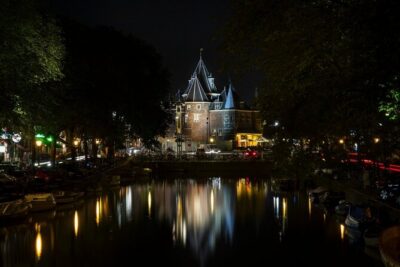
Amsterdam: Haunted History and Ghost Walking Tour
Read our review →
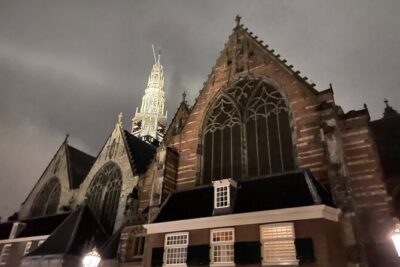
Amsterdam: Ghastly Grachten: ghost stories&dark history tour
Read our review →

Amsterdam Ghost Hunt: Self-Guided Mystery Adventure
Read our review →Browse the lists this tour appears in